
Westringia fruticosa ‘Morning Light’
Coast Rosemary
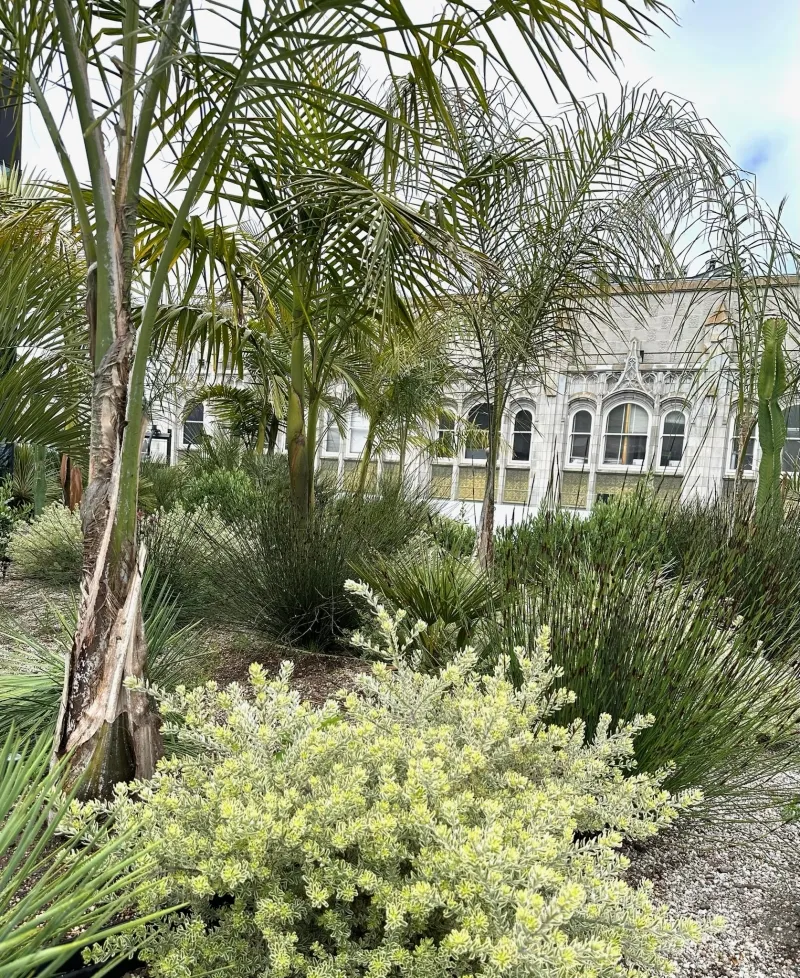
Luminous evergreen shrub useful for background or feature plantings. Fast-growing and naturally well formed, but also easily pruned & shaped. Great in pots. Low water needs.
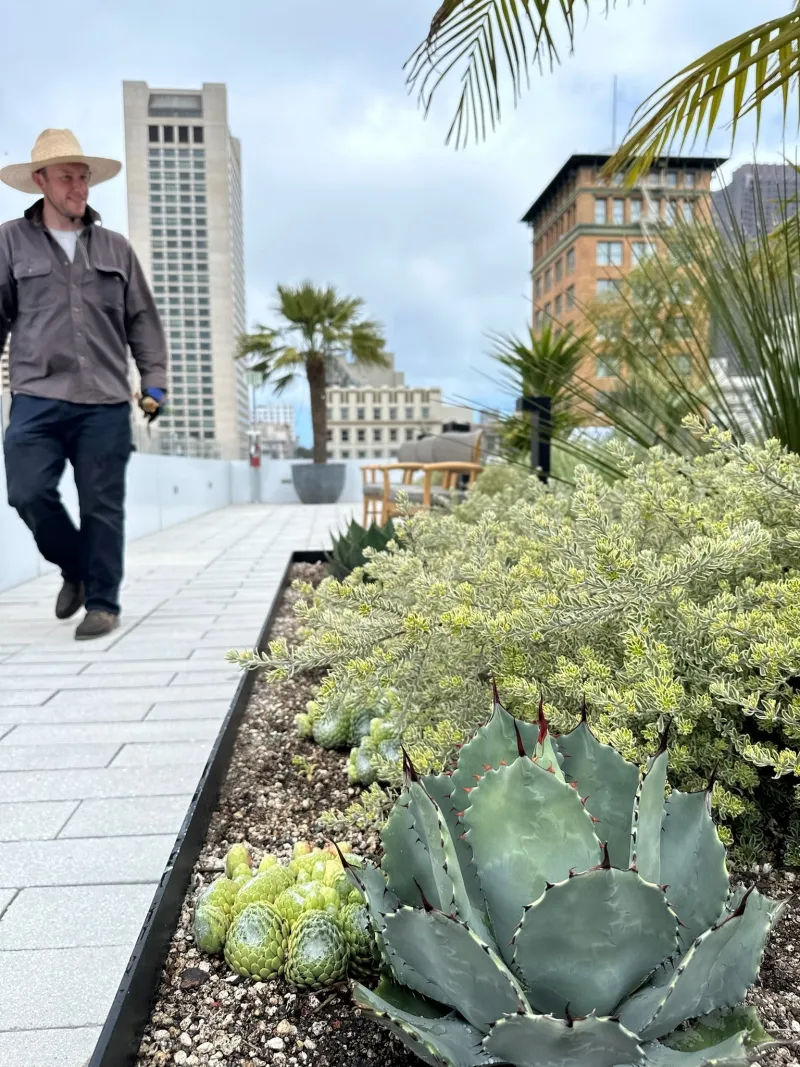
Seen in Rooftop Inspiration From Oliver Gardens →
 Synonyms | Westringia rosmariniformis 'Morning Light' |
|---|---|
 Height | 3–5ft |
 Width | 3–6ft |
 Tolerates | Coast, Cool Summers, Drought, Fog, Pots, Wind |
 Water needs | Low – Moderate |
Water this plant regularly, when the top inch or so of soil feels dry. If you establish this pattern over several years, then you can cut back to watering every week or two in dry weather. Use drippers, emitters, or a slow stream of water so that it does not run off; allow the water to trickle all the way down through the deepest layers of soil. In a pot slowly water the entire surface until water comes out of the bottom of your pot. This plant is even more drought tolerant near the coast where fog drip helps it look fresh between longer bouts of deep watering. | |
 Hardy to | 23°F |
 Exposure | Part Shade – Full Sun |
 Plant traits | Bees, Flowering, Shrub |
 Indoor / outdoor | Outdoor |
 Drainage | In Ground: Planting Mix, In Pots: Potting Soil, Tolerates Heavy Soil, Tolerates Sandy Soil |
 Fertilizing | All Purpose |
 Origin | SE Australia |
 California native | No |
 Sunset zones | 14–24 |
Growing Notes
Sheering this plant in early spring will help maintain the size and density, though this is typically not needed if a larger plant will fit the space.
Special Interest
While this plant is grown for its subtle creamy variegation, it also has small white flowers in spring, which are a nice bonus!
While this plant is commonly called 'coast rosemary' it is in fact not related to what we typically call rosemary; this common name comes from the similar look of this plant.
Stories featuring this plant
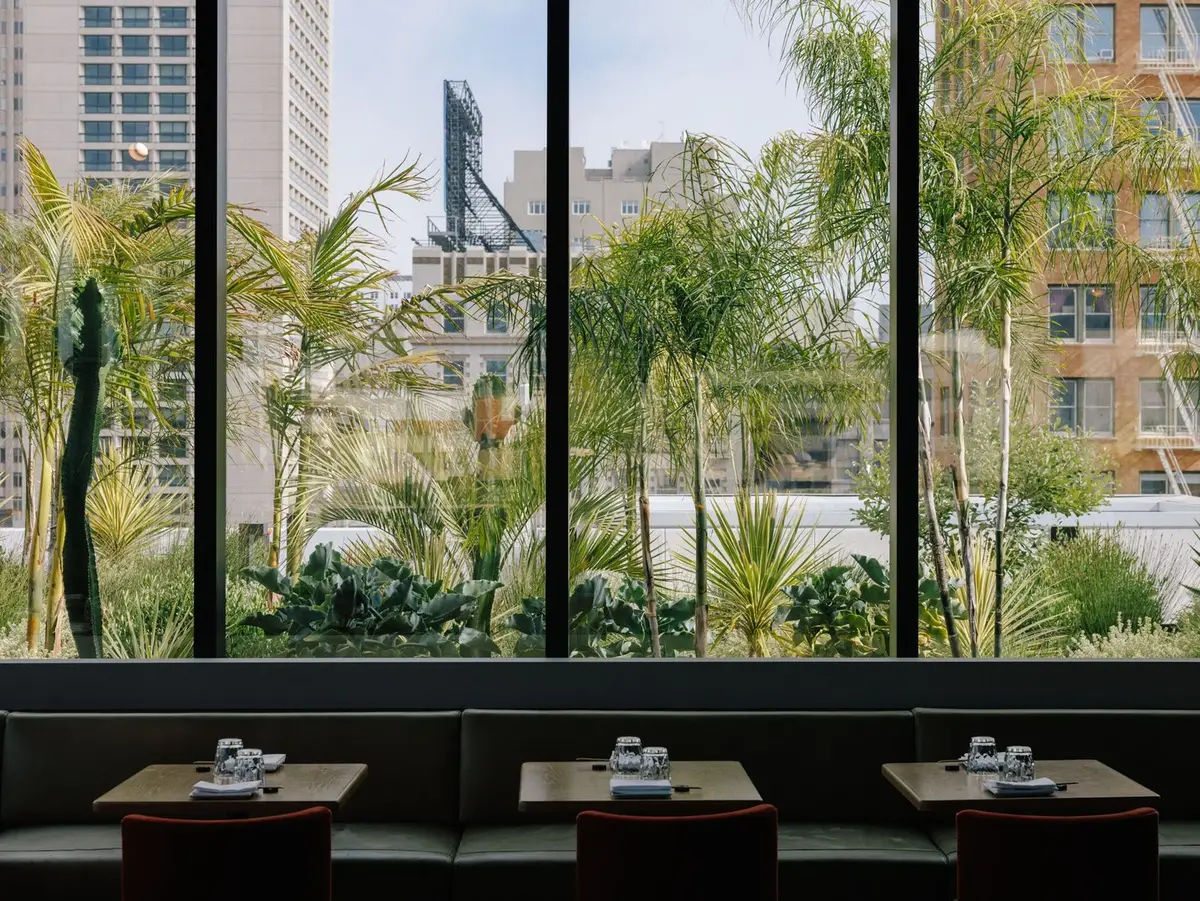
In stock today in San Francisco
| 1 gallon | 5 available | $18.95 |
The above information reflects the observations of Grubb and Nadler and our extended plant community. We always consider input from fellow horticulturists and welcome feedback from those with additional information on the culture of this plant.
© 2020–2026 Grubb and Nadler. All rights reserved.