
Westringia fruticosa
coast rosemary
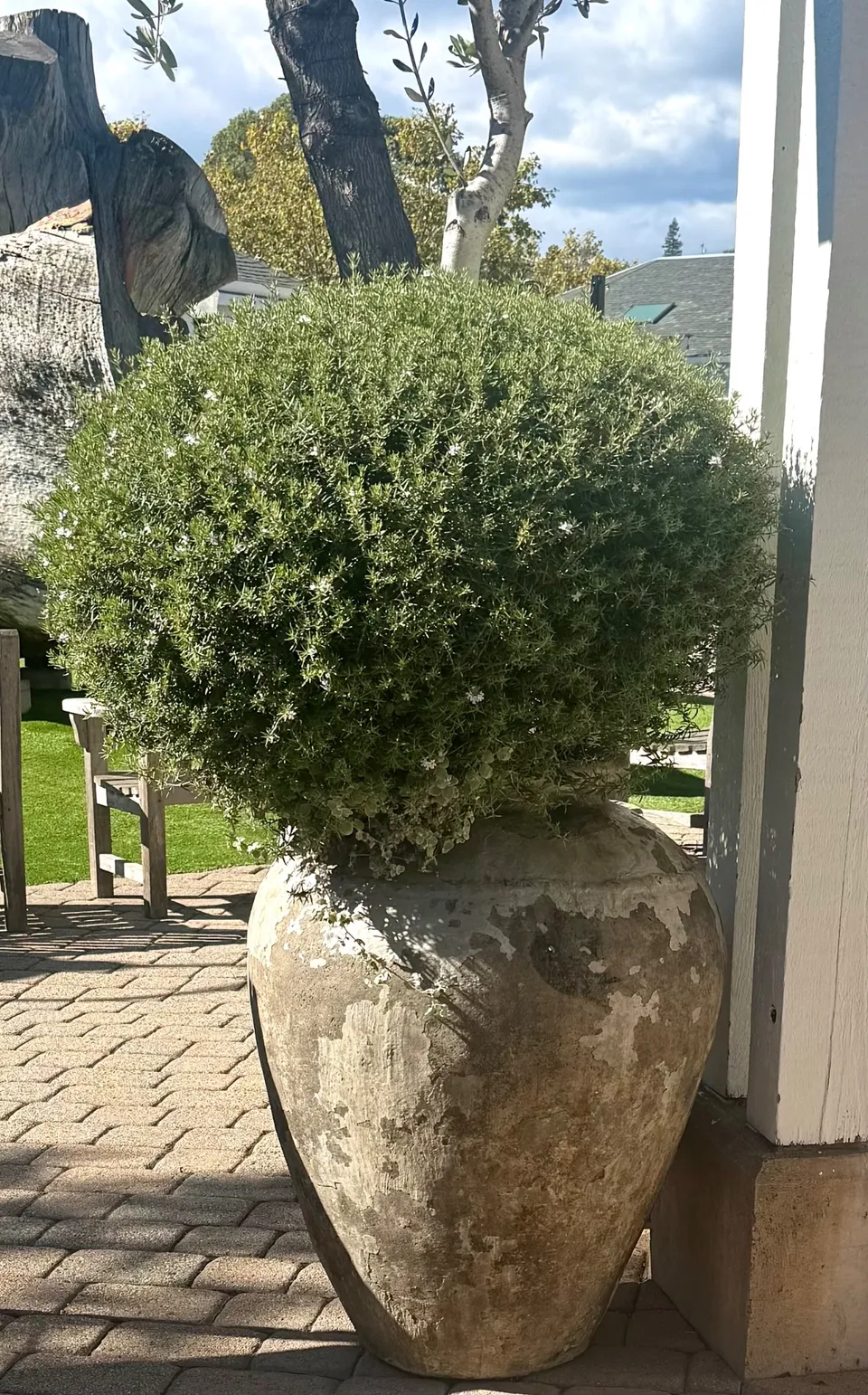
Evergreen shrub useful for soft, full foliage, pretty white flowers peaking in spring, easy care, seaside tolerance. Billowy habit easily pruned as hedge.
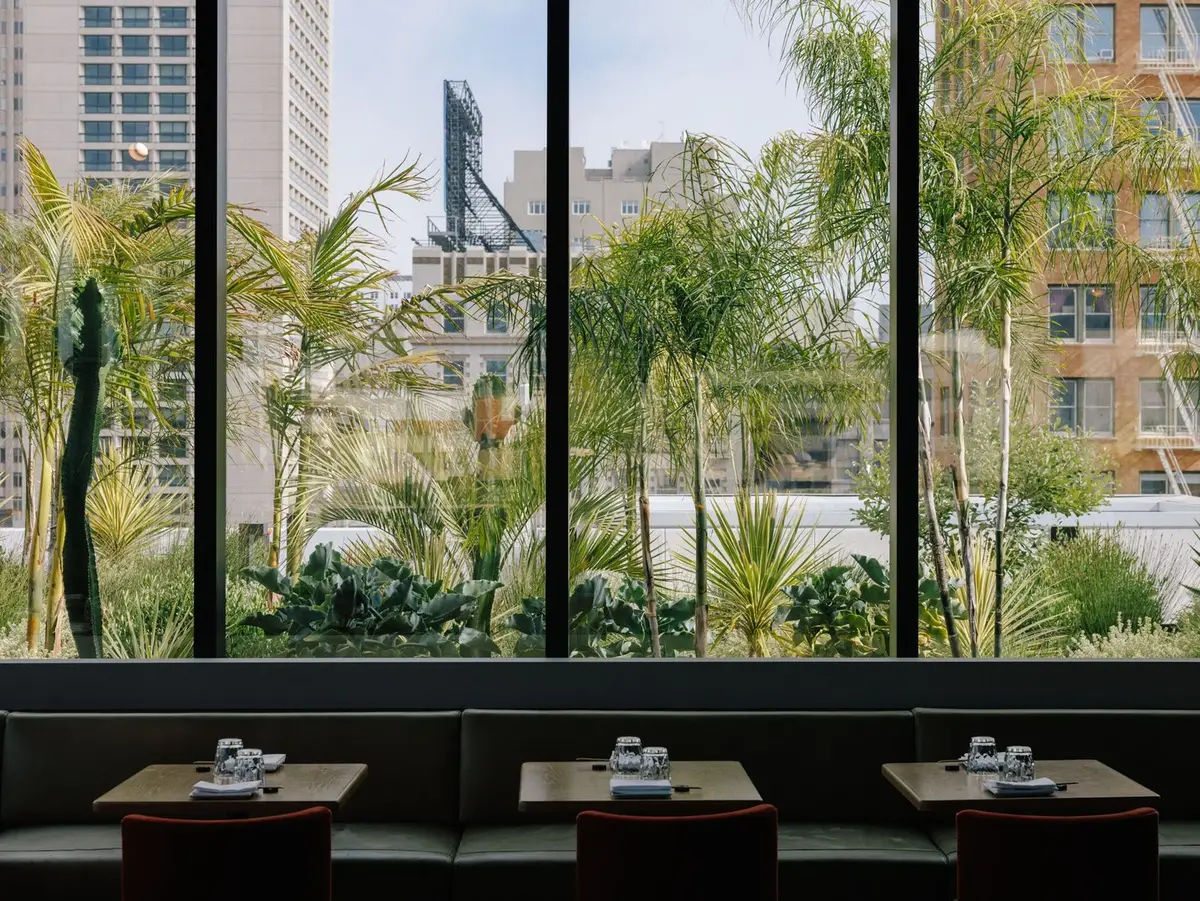
Seen in Rooftop Inspiration From Oliver Gardens →
 Synonyms | Westringia rosmariniformis |
|---|---|
 Height | 4–6ft |
 Width | 3–4ft |
 Tolerates | Coast, Cool Summers, Drought, Fog, Heat, Moist Soil, Pots, Salt, Wind |
 Water needs | Low |
Needs little water once established. Mixes well with California natives or succulents. Better appearance with occasional summer irrigation, especially in hot, inland areas. | |
 Hardy to | 22°F |
 Exposure | Part Shade – Full Sun |
 Plant traits | Flowering, Shrub |
 Indoor / outdoor | Outdoor |
 Drainage | In Ground: Planting Mix, In Pots: Potting Soil, Tolerates Heavy Soil, Tolerates Sandy Soil |
 Fertilizing | Low Needs |
 Origin | New South Wales, Australia |
 California native | No |
 Sunset zones | 14–24, H1 |
Growing Notes
Let this plant grow into an airy shrub, prune once or twice a year to maintain the size and shape, or shear into a formal hedge.
Some reports say this plant can survive brief drops as low as 18F with some damage.
This plant will also grow in part sun, but stretches out quite a bit and loses density.
Tolerates heavy soils as well as light, sandy soil.
One writer touts its ability to grow indoors in a sunny window. We haven't tried this!
Special Interest
One of the best seaside plants as it tolerates salt spray (but not seawater on its roots).
Stories featuring this plant
More Info
We've seen this plant in habitat thriving on bluffs a few meters from the high tide mark in southeast Australia.
Per San Marcos Growers, Westringia fruticosa was introduced into cultivation in California by William Walker at his Golden Gate Nursery in San Francisco in 1858.
Links
Which store do you shop at?
The above information reflects the observations of Grubb and Nadler and our extended plant community. We always consider input from fellow horticulturists and welcome feedback from those with additional information on the culture of this plant.
© 2020–2026 Grubb and Nadler. All rights reserved.