
Yucca elephantipes
giant yucca
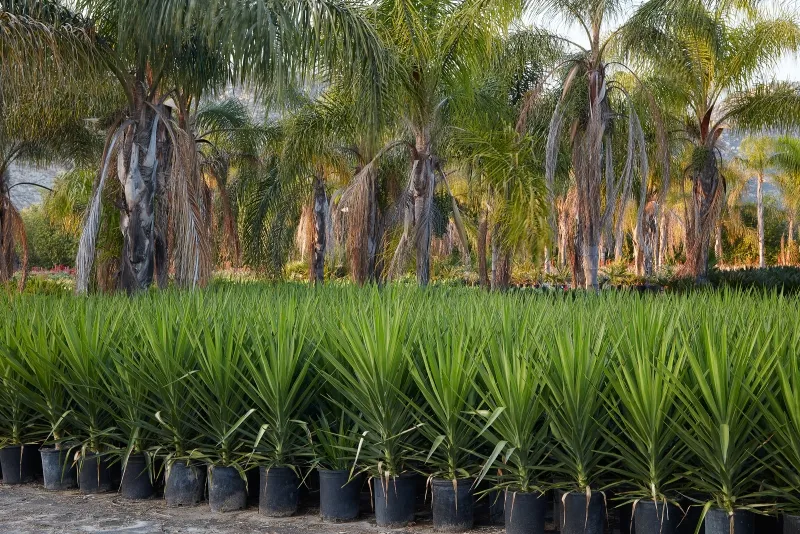
Growing it outdoors
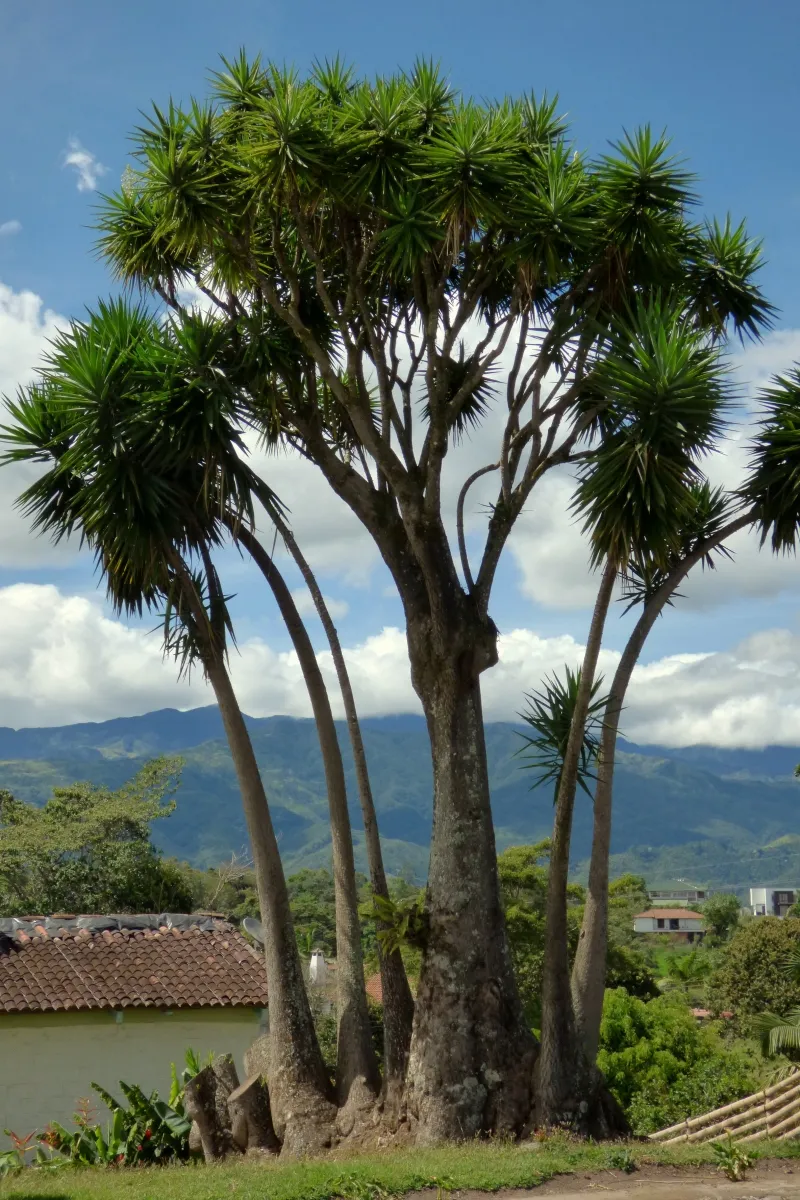
Thin and upright when young. Becomes wide, massive, and multi-trunked over the decades. White flowers during summer. Soft leafed, tough and versatile.
 Synonyms | Yucca gigantea Yucca guatemalensis |
|---|---|
 Height | 20–30ft |
 Width | 15–20ft |
 Tolerates | Coast, Drought, Deer, Heat, Moist Soil, Pots, Rooftops, Neglect, Salt, Wind |
 Water needs | Low – Moderate |
This yucca loves it all. Plant it, never water it, and it'll look good and grow, but give ample water during warm weather and watch it take off! We often see very old and massive specimens in abandoned yards, looking fabulous surrounded by scorched weeds. This thing is tough! | |
 Hardy to | 20°F |
 Exposure | Full Shade – Full Sun |
 Plant traits | Flowering, Screen, Tropical, Trunking |
 Drainage | In Ground: Cactus Mix, In Pots: Cactus Mix, Tolerates Heavy Soil, Tolerates Sandy Soil |
 Fertilizing | All Purpose, Low Needs |
 Origin | Central America |
 California native | No |
 Sunset zones | 9–24, H1, H2 |
Growing Notes
So yea, this elephantine yucca gets a beefy trunk, looking almost like a pile of melted wax. Keep that trunk well back from waterlines, sidewalks etc. One friend planted his too close to a main water feed, which the plant broke after ten years. He moved the water line over three more feet and then twenty years later it broke it again. Probably best to keep it at least fifteen feet from utilities.
Arms can be cut off and dug in during the fall and will root without assistance, even on baking hot western hillsides in Sunset Zone 16.
Does well in pots, but they should be sturdy and well built. Over the years this plant will rupture low fire terracotta or fibreclay.
Can be cut to within a foot of the ground and will rebound readily with a bushier overall form. Pruning scars are long lasting.
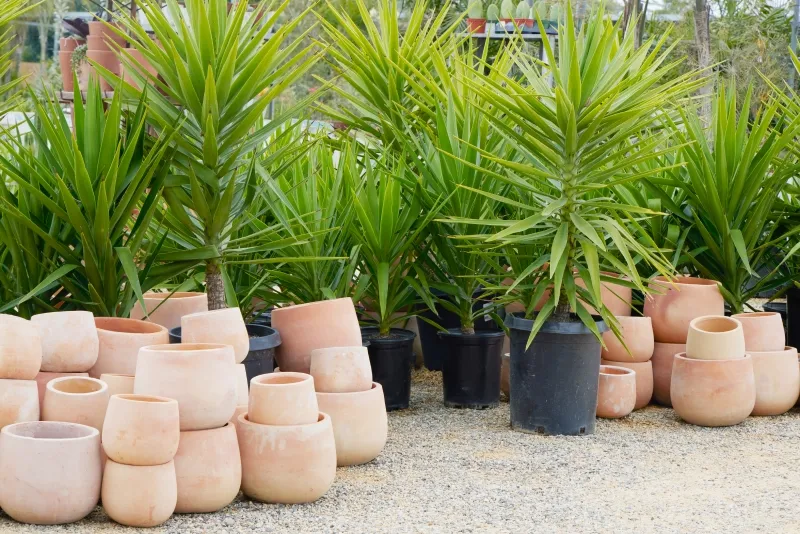
Growing it indoors
| Synonyms | Yucca gigantea Yucca guatemalensis |
|---|---|
| Height | 2–8ft |
| Width | 1–3ft |
| Water needs | When soil is mostly dry. |
One of the toughest plants out there, as long as you let them go nearly dry between waterings. Generally indoors this will mean watering every 10 to 14 days, depending on light exposure and temperature—plants in more light and warmer temperatures will need more frequent watering. | |
| Exposure | Bright Indirect – Direct Sun |
| Plant traits | Flowering, Screen, Tropical, Trunking |
| Drainage | In Pots: Cactus Mix |
| Fertilizing | All Purpose, Low Needs |
| Origin | Central America |
Which store do you shop at?
Special Interest
As with most yucca, this one was very useful for pre-Columbian societies. The roots make a frothy soap, the spineless leaves can be turned into durable fibers and many parts of the plant are edible, especially the flowers, which are both soft and crisp. The flowers are still used today in Central American cuisine, where they are added to pupusas and egg scrambles. The giant yucca flower is also the national flower of El Salvador, where it is called "flor de izote".
Stories featuring this plant
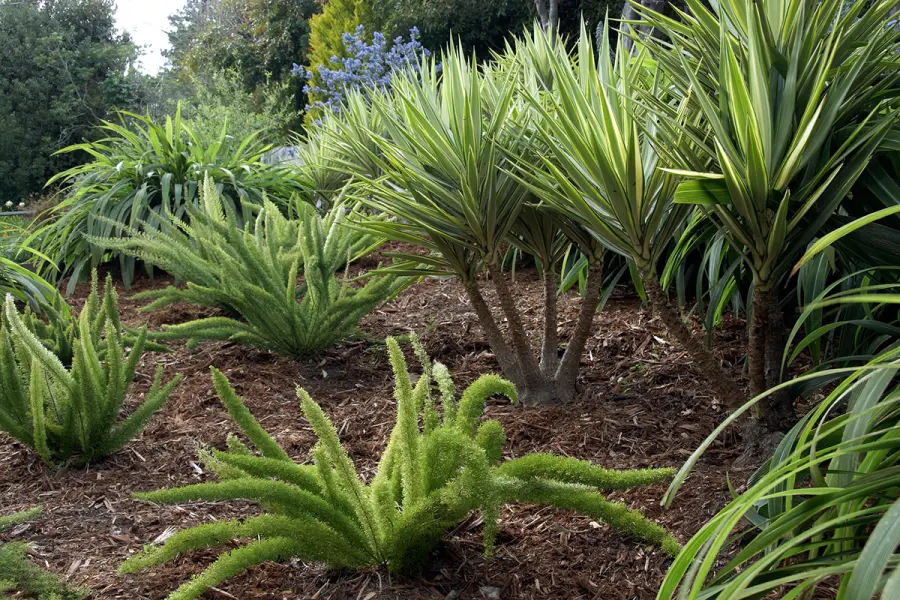 Garden storyEverything Looks Like a Yucca!Many beautiful yucca plants will thrive in coastal California, and we often have several varieties in stock—along with quite a few yucca lookalikes!—at our San Francisco and Marina del Rey nurseries. Read on to learn more about these tough and lovely plants.
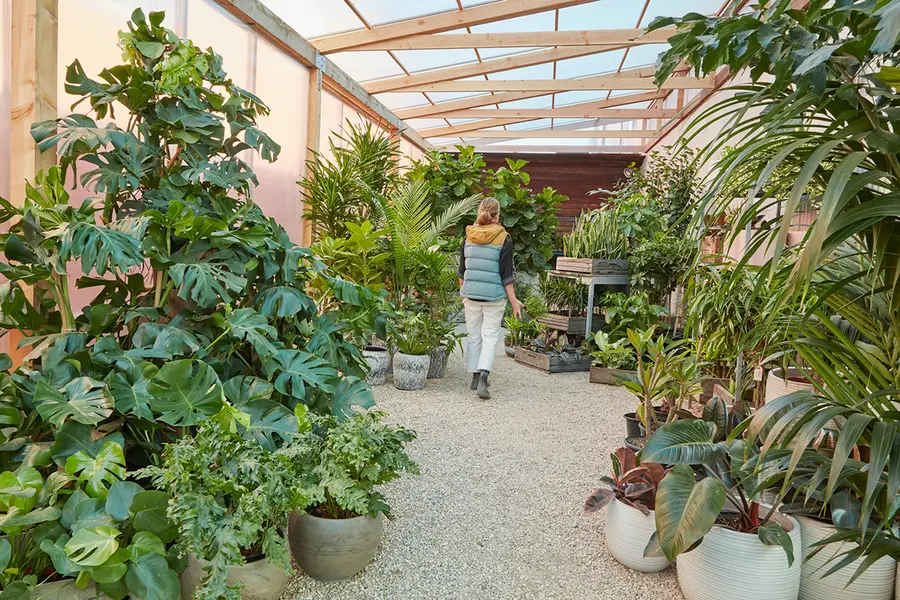 Garden storyHouseplant Care: Light, Water, and SoilHere at FGG, the question we hear most often from customers is “How often do I water my houseplant?” It sounds like a simple question, but the answer is actually pretty complicated.
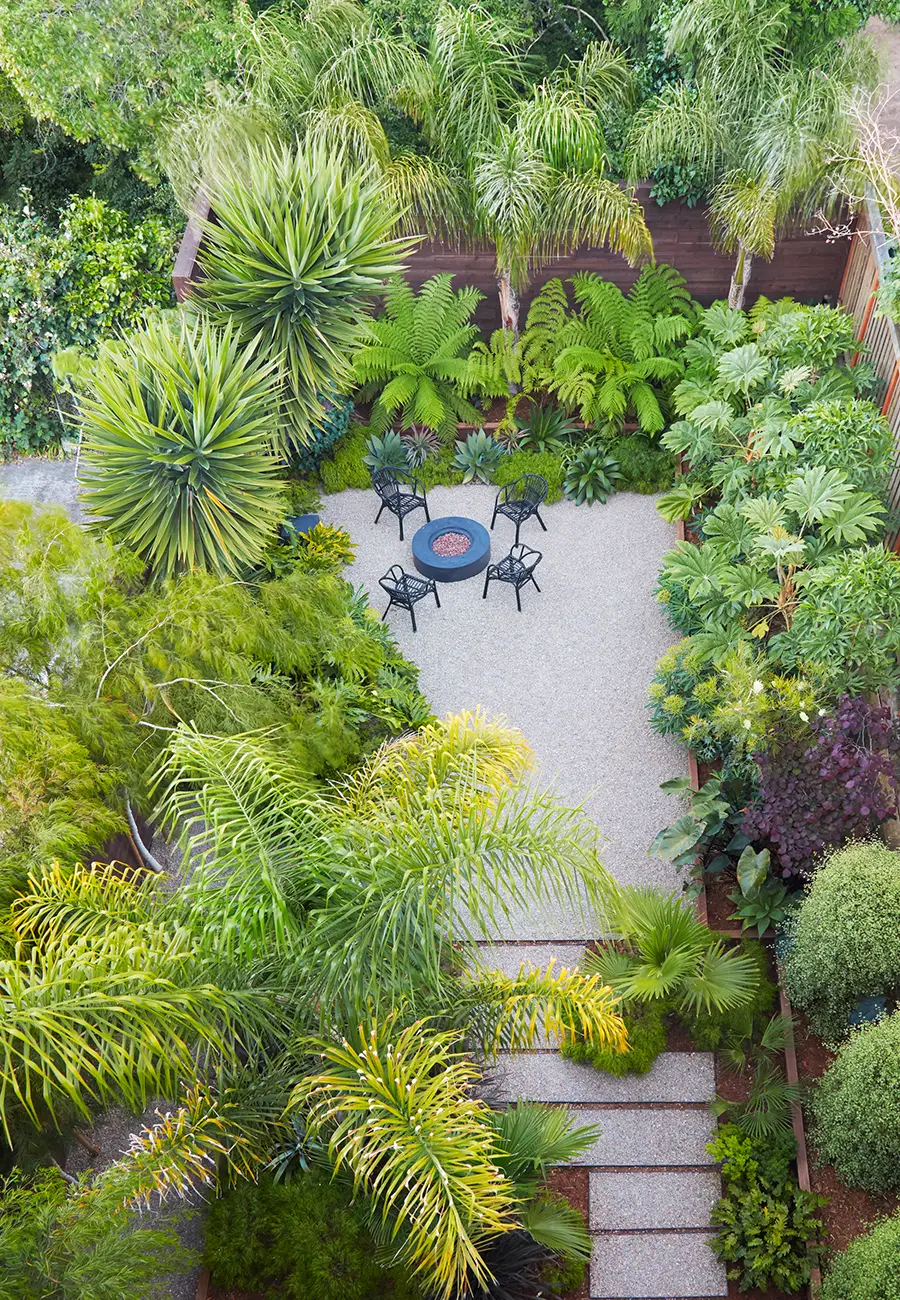 Garden storyUnderstanding Your Climate: Here's Why Coastal California is Paradise for Plant LoversWe all know San Francisco has lots of fabulous quirks, and the climate is one of the weirdest. For visitors and newcomers, our weather can be a puzzle, but for plant nerds (like all of us here at Flora Grubb Gardens), this particular puzzle is what makes San Francisco a gardening paradise.
More Info
This plant was grown for an outdoor environment, so we do not recommend moving it inside. In general we do not recommend moving plants raised for an outdoor environment indoors.
This plant would make a good houseplant if it had been grown in a controlled greenhouse with houseplant soil. This 'greenhousing' ensures that plants who come home with you are well acclimated to indoor life, and also that they don't have any pests. It is common for outdoor plants to have other passengers as well, such as earthworms or centipides that don't necessarily hurt the plant, but aren't welcome indoors.
If you consider yourself an expert gardener, you can of course attempt to transition this plant indoors. In that case you'll want to strip all the soil from the rootball, wash the roots clean and then spray the entire plant (leaves, undersides of the leaves, all the cracks and roots) with a mix of one tablespoon of rubbing alcohol in a cup of water. Repot the plant in the appropriate sterile soil/pot and take extra care as it transitions to the indoors, especially looking for pests and treating at the first sign of problems. Always consider the risk that any bugs could also affect other houseplants you have nearby.
For some plants, we sell two versions: outdoor-grown and greenhouse-grown. If you're looking to grow this plant indoors, feel free to ask our staff if we have a greenhouse-grown version in stock.
Links
The above information reflects the observations of Grubb and Nadler and our extended plant community. We always consider input from fellow horticulturists and welcome feedback from those with additional information on the culture of this plant.
© 2020–2026 Grubb and Nadler. All rights reserved.