
Afrocarpus (Podocarpus) gracilior
African fern pine
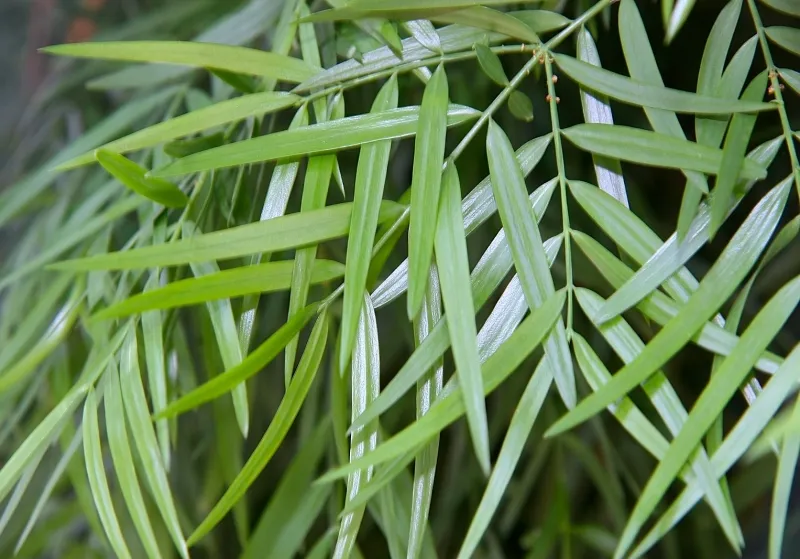
Evergreen coniferous tree has a timeless beauty that conceals its workhorse status. Versatile screening plant or bonsai, thrives in pots. Adaptable to various light and water levels.
 Synonyms | Afrocarpus falcatus Podocarpus gracilior |
|---|---|
 Height | 25–60ft |
 Width | 20–40ft |
 Tolerates | Drought, Fog, Pots, Rooftops, Wind |
 Water needs | Low – Moderate |
This plant is from dry forest areas of East Africa, and as such is robust and drought tolerant. Water this plant regularly, when the top inch or so of soil feels dry. If you establish this pattern over several years, then you can cut back to watering every four to six weeks in dry weather. Your plant will however look more lush and vibrant if watered every week or two. Use drippers, emitters, or a slow stream of water so that it doesn't run off; allow the water to trickle all the way down through the deepest layers of soil. In a pot slowly water the entire surface until water comes out of the bottom of your pot. It's not uncommon for this plant to tap into ground water and look lush and healthy without additional water, once established. | |
 Hardy to | 23°F |
 Exposure | Part Sun – Full Sun |
 Plant traits | Hedge, Screen, Tree |
 Indoor / outdoor | Outdoor |
 Drainage | In Ground: Planting Mix, In Pots: Potting Soil |
 Fertilizing | All Purpose |
 Origin | East Africa |
 California native | No |
 Sunset zones | 8, 9, 13, 15–24 |
Growing Notes
The overall height of this plant is a bit of a moving target based on the timeline. This tree isn't particularly fast growing, but it moves consistently upward. We often see these trees at less than thirty feet, but eventually they do get quite large - unto 100 feet in habitat. That said, the largest trees in California are around sixty feet tall.
This tree takes very well to pruning and can be maintained at any size. It can be pruned into a bonsai like form or sheered to make a dense hedge.
Leaves shed little.
Links
Which store do you shop at?
The above information reflects the observations of Grubb and Nadler and our extended plant community. We always consider input from fellow horticulturists and welcome feedback from those with additional information on the culture of this plant.
© 2020–2026 Grubb and Nadler. All rights reserved.