
Archontophoenix cunninghamiana
king palm
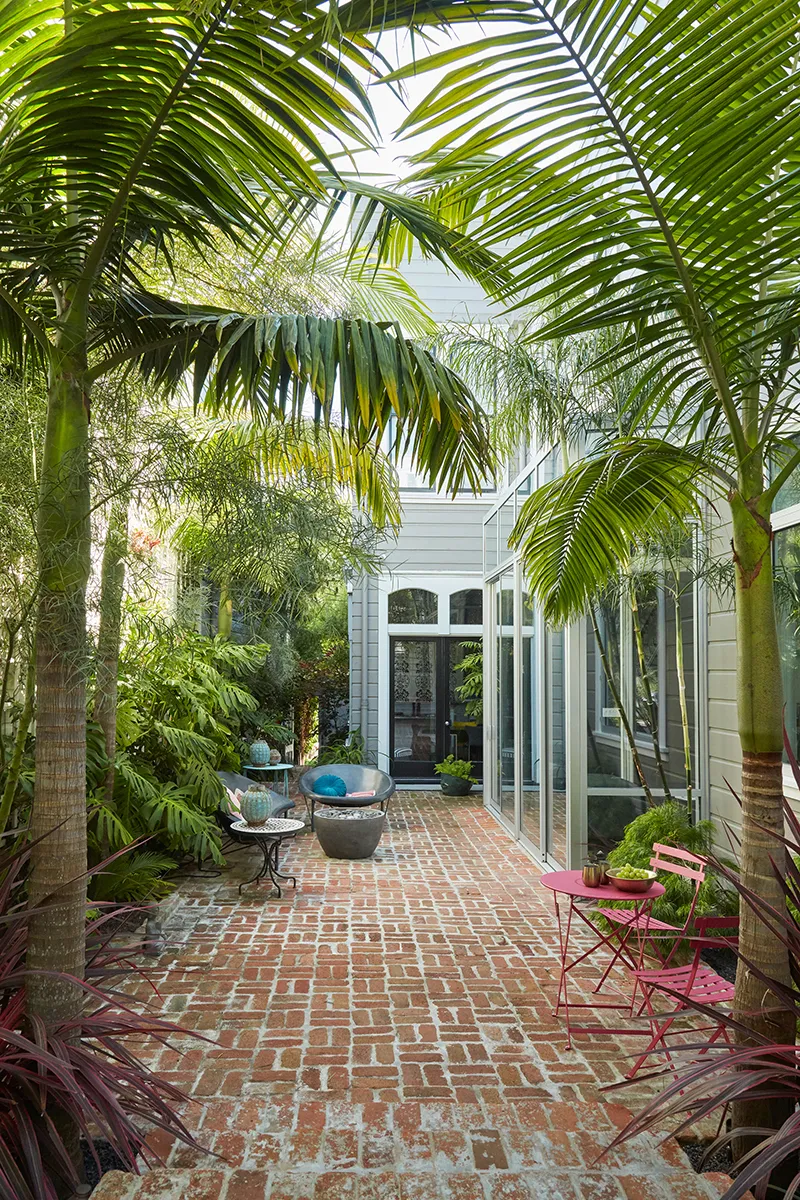
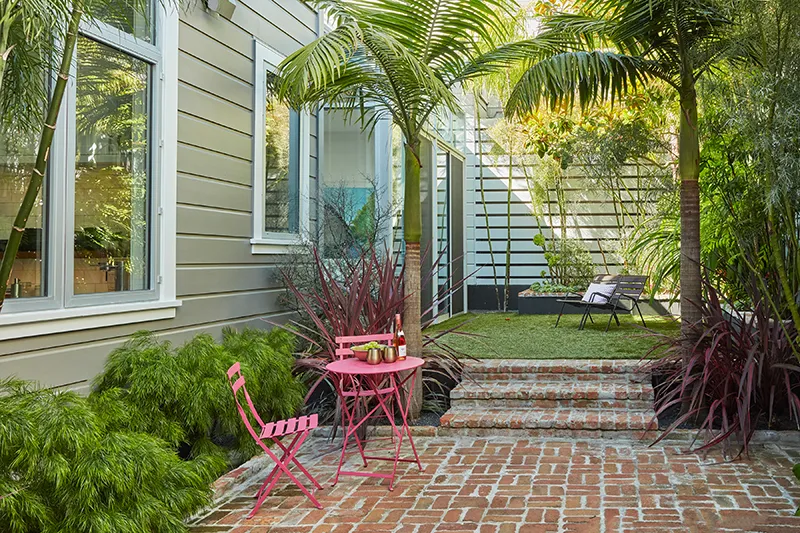
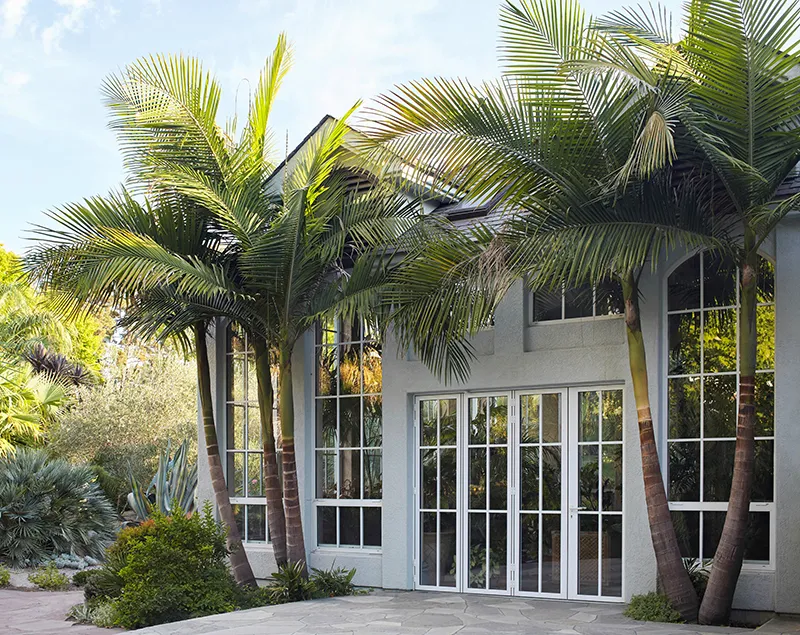
This palm is clean, lush and tropical. Amethyst flower-stalks (and then red fruits) hang below leaf bases. Fronds shed cleanly, leaving smooth ringed trunks.
Seen in Rooftop Inspiration From Oliver Gardens →
 Height | 20–30ft |
|---|---|
 Width | 10–15ft |
 Tolerates | Heat, Pots |
 Water needs | Moderate – High |
This palm appreciates consistent water, but won't tolerate soggy soil. Once it's established, be sure to water it when the top inch or two of the soil is dry. Usually this will mean watering deeply every five to seven days during the dry season. Planting this palm with good drainage will help to make sure it doesn't accidentally get overwatered. | |
 Hardy to | 28°F |
 Exposure | Part Shade – Full Sun |
 Plant traits | Palm, Solitary, Tropical |
 Indoor / outdoor | Outdoor |
 Drainage | In Ground: Cactus Mix, In Pots: Cactus Mix, Tolerates Heavy Soil, Tolerates Sandy Soil |
 Fertilizing | Palm Fertilizer |
 Origin | SE Australia |
 California native | No |
 Sunset zones | 16, 17, 21–24 |
Growing Notes
Be gentle with the roots of this species; it will sulk or even die if roots are damaged in planting. Do not manipulate or shock the rootball. While this palm is solitary, there will often be multiple palms planted per pot. Palms with multiple plantings gracefully arch apart from each other over time. This palm also looks amazing planted in larger groupings of many individuals.
Though this palm tolerates shade, it performs best in sun and in the Bay Area most gardeners don't push it beyond part sun.
In the Bay Area, where humidities are high and temps cool (especially in foggy areas) we occasionally see pink rot (Phytophthora erythroseptica) in the crown of king palms. This presents as a dusty pale pink patch in the crown of the palm or on the leaves (sometimes where old leaves were pruned.) Some say a dusting of cinnamon will be enough to kill off the fungus, but we recommend treating with copper fungicide. If left untreated and this fungus damages the youngest leaf spike it can potentially kill your palm, so be sure to treat any fungus early.
The king palm is intolerant of very low humidity and wind.
While we typically think of this palm's hardiness just below a hard frost, there are reports of mature palms surviving temperatures into the low twenties, occasionally leading to aesthetic damage on the trunks of palms.
Adaptable to heavier soils, but prefers loamy well drained soil.
This palm will grow well in part sun when young, but wants to bust out into a sunny canopy as it matures.
Special Interest
Historically, aboriginal peoples of Eastern Australia crafted this palm's leaves into a water tight basket called a bangalow, leading to this palm's Australian common name - the bangalow palm.
Stories featuring this plant
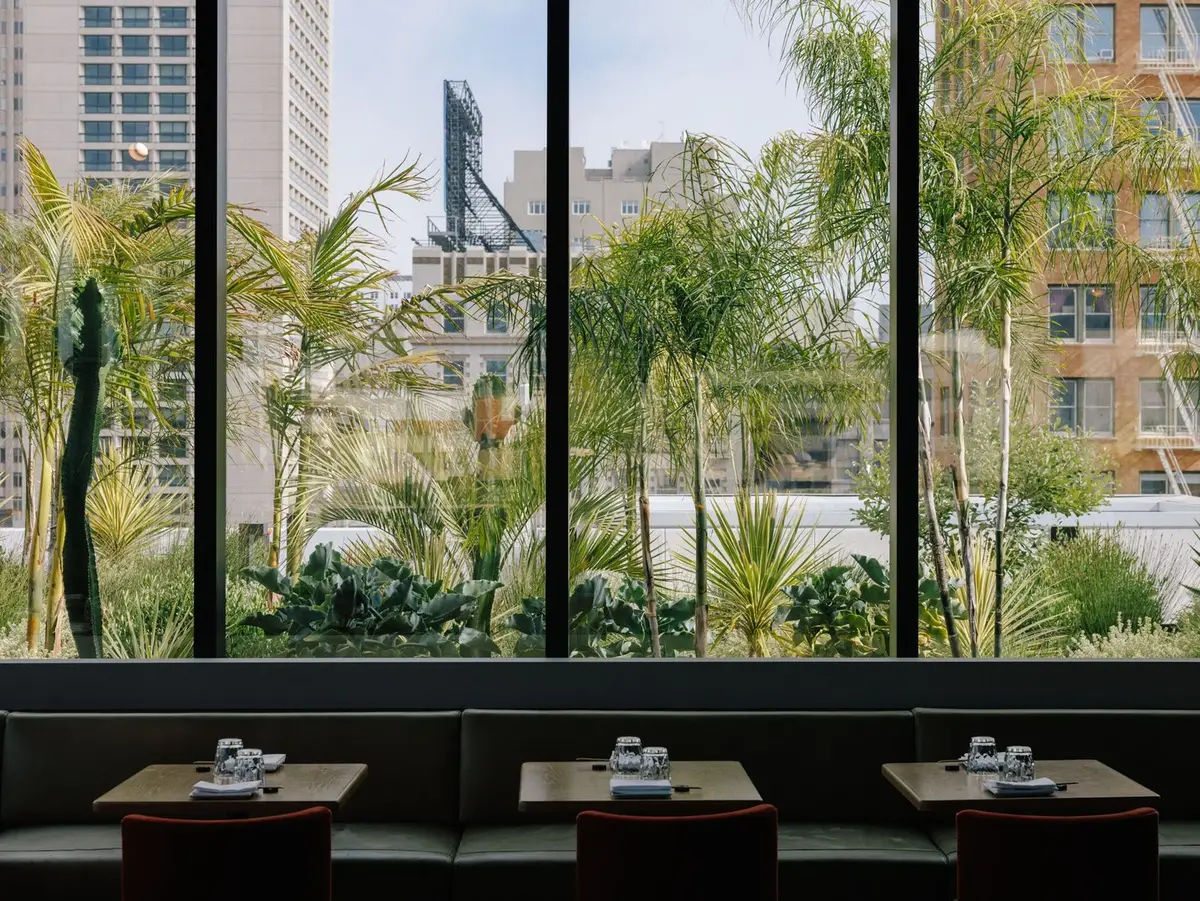 Garden storyRooftop Inspiration From Oliver GardensThere’s a beautiful rooftop dining garden in San Francisco’s Union Square. Rooftops make for challenging gardening environments, but Oliver Gardens designed a lush, layered space with a palette of durable plants.
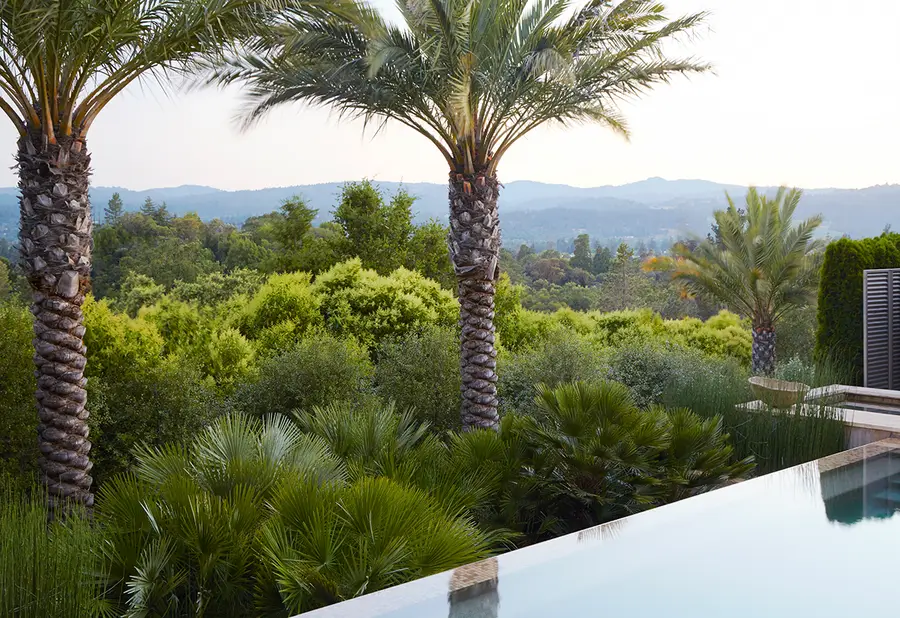 Garden storyThe Ultimate Guide to Growing Palm Trees in Coastal CaliforniaWe can grow many kinds of palms in our coastal California gardens — palm trees, shrubby palms, bamboo palms, little foliage palms — lucky us! Our guide to everything palm has all the info you need to make the best selections for your garden.
More Info
The flowers and fruit are showy and attractive features of this palm.
Links
Which store do you shop at?
The above information reflects the observations of Grubb and Nadler and our extended plant community. We always consider input from fellow horticulturists and welcome feedback from those with additional information on the culture of this plant.
© 2020–2026 Grubb and Nadler. All rights reserved.