
Cordyline ‘Glauca’
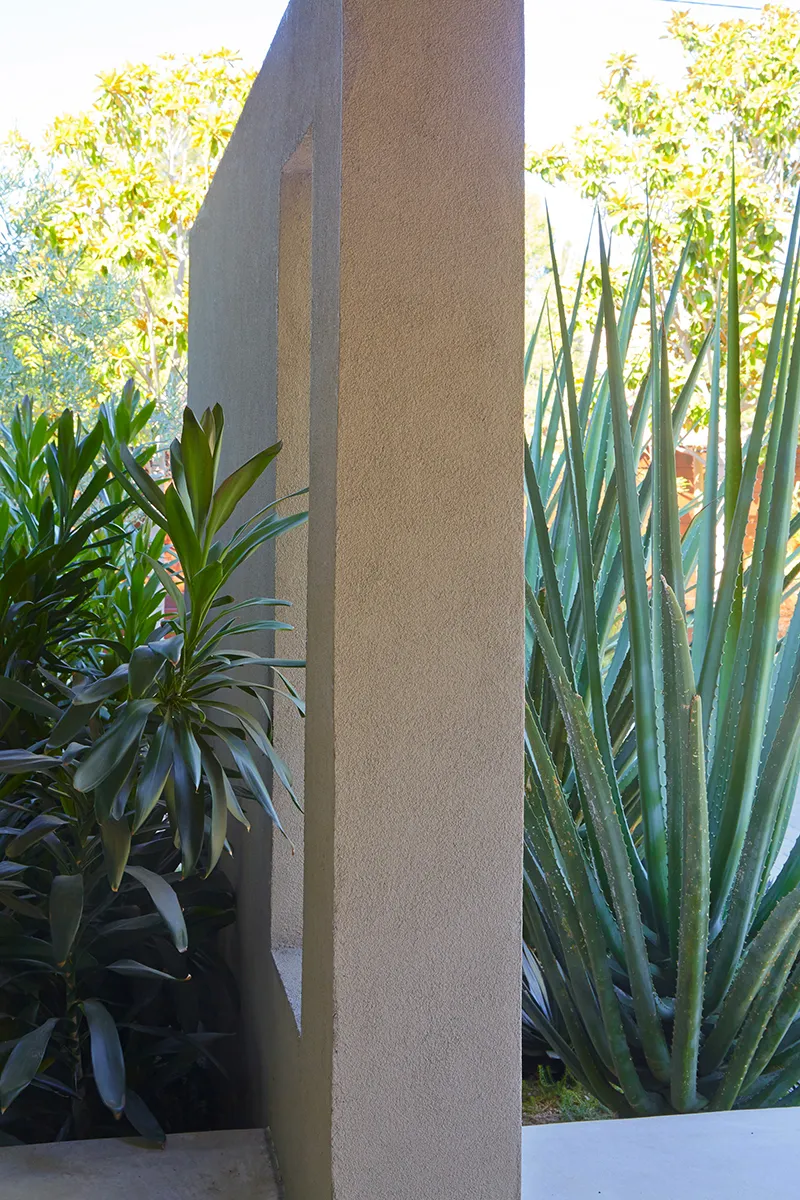
Growing it outdoors
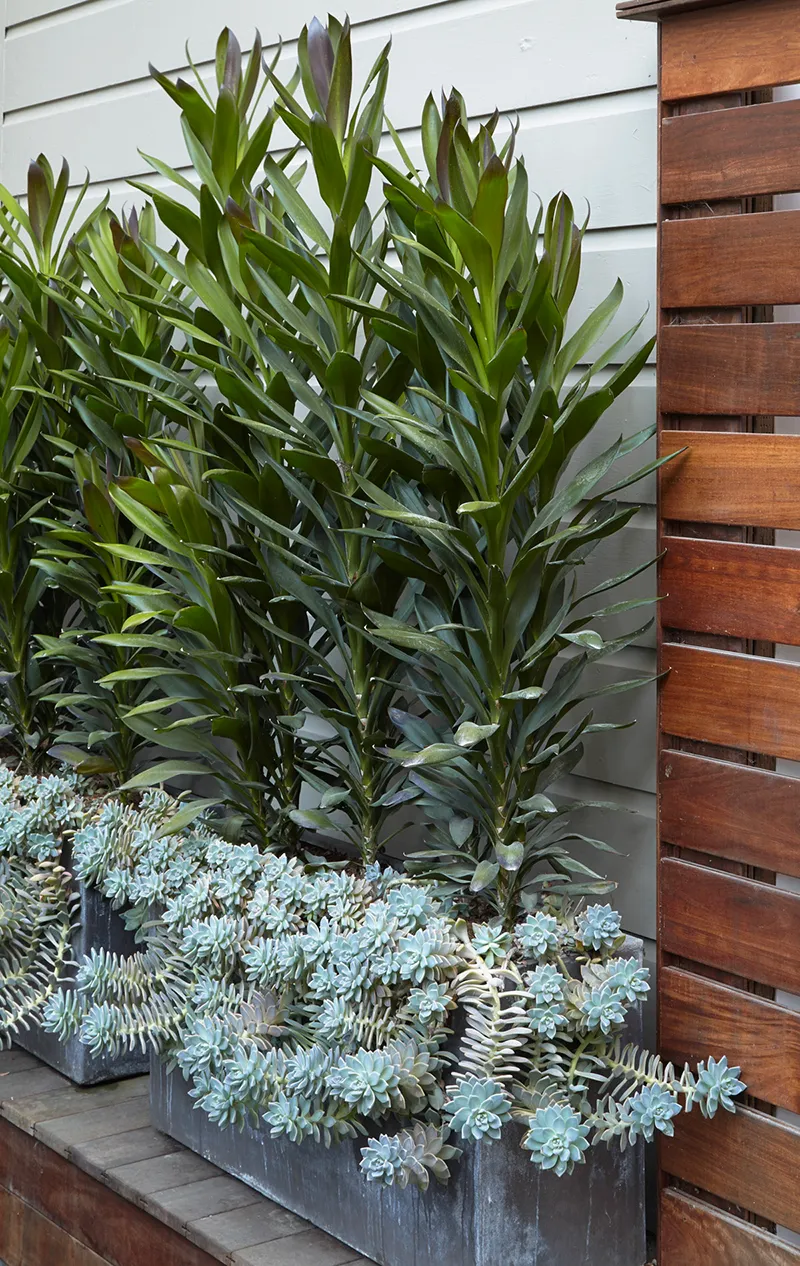
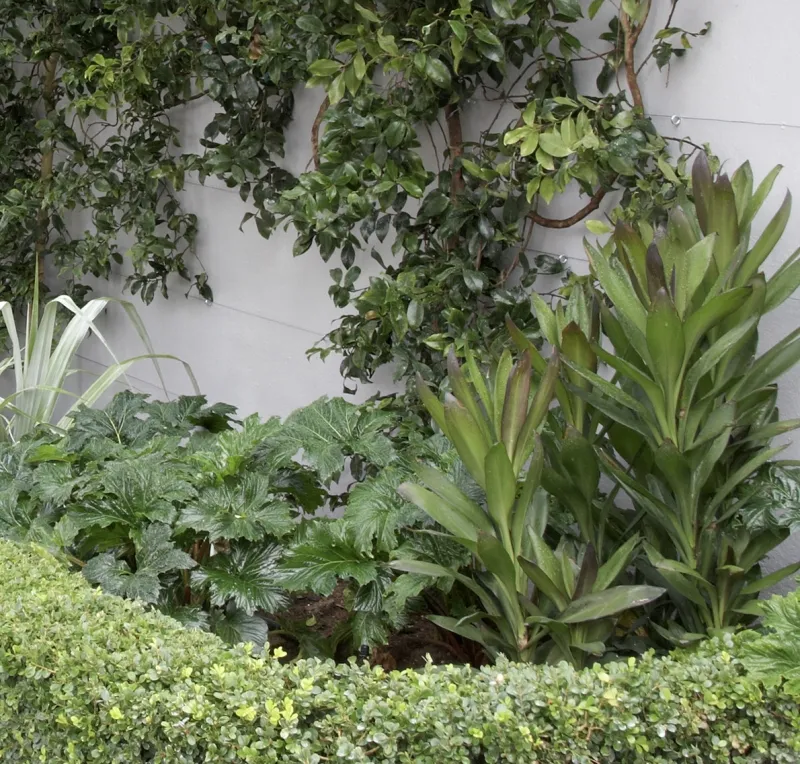
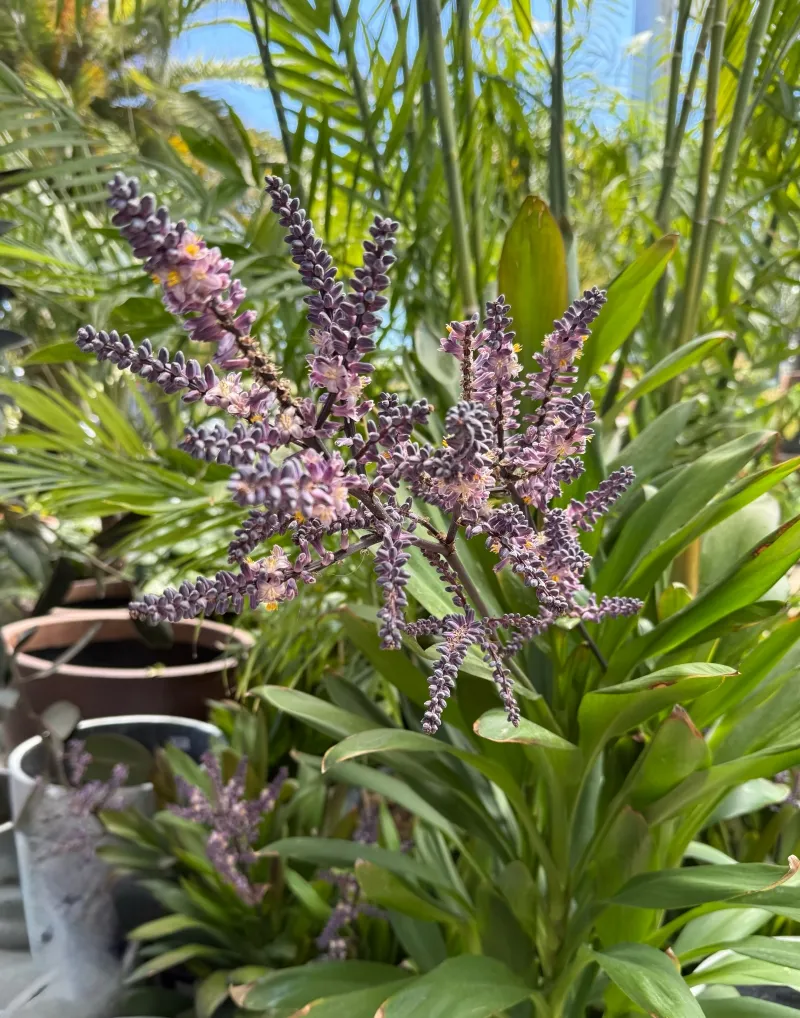
Upright, trunking, with tropical green leaves tinted purple at the tips in sun. Great for pots, screens. Amethyst flower clusters once mature. Pruneable.
 Synonyms | Cordyline stricta, Cordyline 'Soledad', Cordyline fruticosa |
|---|---|
 Height | 3–10ft |
 Width | 2–3ft |
 Tolerates | Coast, Cool Summers, Drought, Fog, Narrow Planting, Pots, Salt, Wind |
 Water needs | Low – Moderate |
Cordylines are surprisingly drought tolerant once established, though they will look their best with deep watering every week or two. Having good drainage is important with cordylines, which will also makes them quite tolerant of overwatering. | |
 Hardy to | 30°F |
 Exposure | Full Shade – Full Sun |
 Plant traits | Foliage Feature, Screen, Suckering, Tropical, Trunking |
 Drainage | In Ground: Cactus Mix, In Pots: Cactus Mix, Tolerates Sandy Soil |
 Fertilizing | All Purpose |
 Origin | Pacific Islands |
 California native | No |
 Sunset zones | 15–24 |
Growing Notes
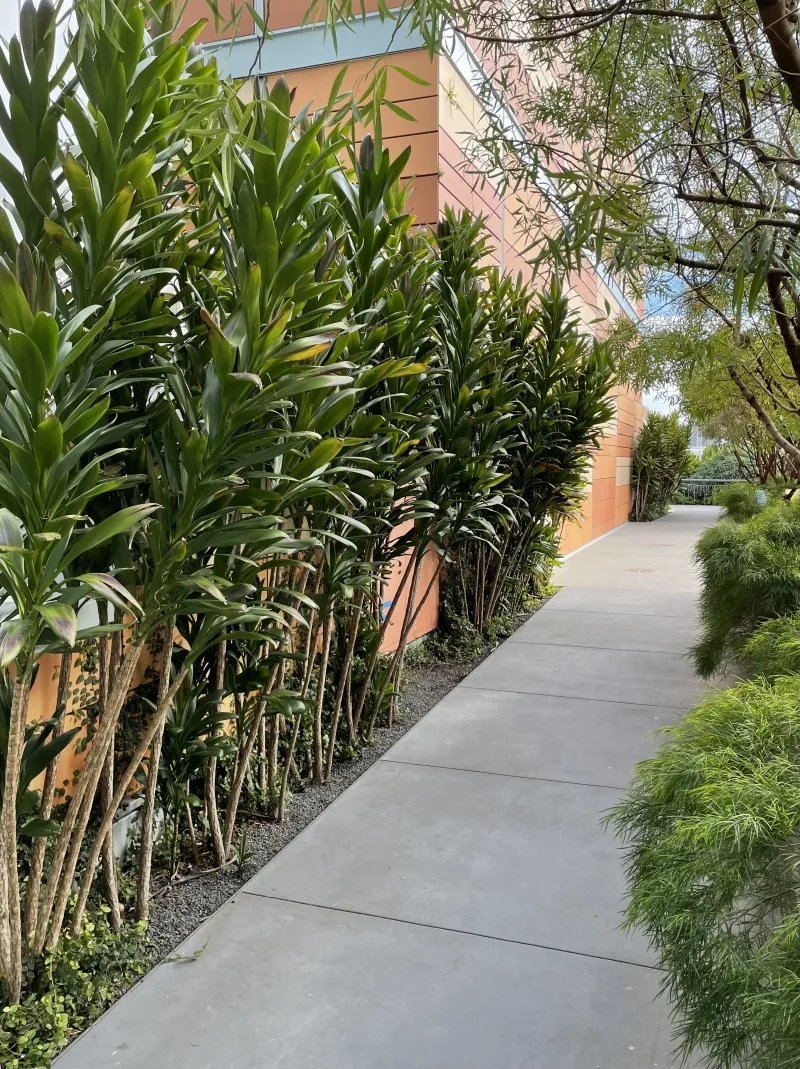
Cordylines are versatile in the garden. They have a clean vertical form, but also respond well to a hard pruning back (even all the way to the ground) and will send new growth out wherever they are cut back. By cutting multiple canes at different levels you can get a nice staggered effect and maximize screening.
Cordyline 'Glauca' also suckers from the base, creating a bamboo-like clump over time. Once the older lower leaves dry up they can be pulled cleanly away, exposing a textured trunk. Cordylines are an excellent choice for a pot, where they are low-maintenance plants for the long term.
In particularly windy conditions cordylines may develop brown frayed tips.
Growing it indoors
| Synonyms | Cordyline stricta, Cordyline 'Soledad', Cordyline fruticosa |
|---|---|
| Height | 1–5ft |
| Width | 1–3ft |
| Water needs | When soil surface is dry. |
This plant wants water when the top of the soil is dry, but you can still feel moisture just below the surface. This plant will often fall into a once-a-week watering cycle, but remember that your watering should be based on the moisture left in the soil, which will depend partly on the moisture in the room and the weather outside. The soil surface layer goes a bit deeper for larger pots; for example, a plant in a 14-inch diameter pot should dry out a couple of inches deep before you water it, while a plant in a 4-inch pot will only want to dry out in the top half inch or so of soil. This is a summer grower and will be tolerant of more water during that time. It will be tolerant of underwatering during the winter. | |
| Exposure | Bright Indirect – Partial Direct |
| Plant traits | Foliage Feature, Screen, Suckering, Tropical, Trunking |
| Drainage | In Pots: Cactus Mix |
| Fertilizing | All Purpose |
| Origin | Pacific Islands |
Growing Notes
A wonderful indoor plant particularly useful if you'd like something tall and narrow. Can be pruned back if it gets too tall, or if you would like it to get wider.
Which store do you shop at?
Special Interest
Most cordylines aren't grown for their flowers, but they do occasionally bloom with pleasant clusters of fragrant white to blue-amethyst flowers.
The above information reflects the observations of Grubb and Nadler and our extended plant community. We always consider input from fellow horticulturists and welcome feedback from those with additional information on the culture of this plant.
© 2020–2026 Grubb and Nadler. All rights reserved.