
Rhapis excelsa
lady palm
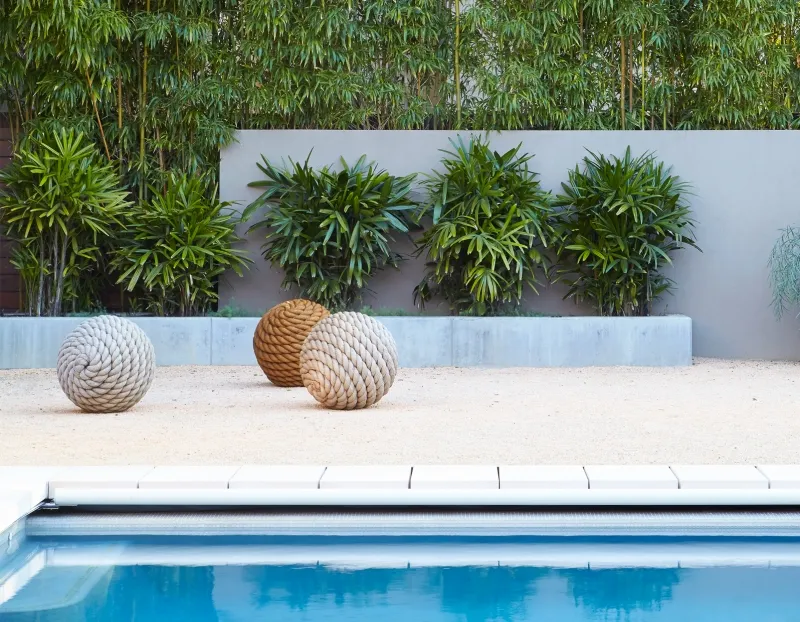
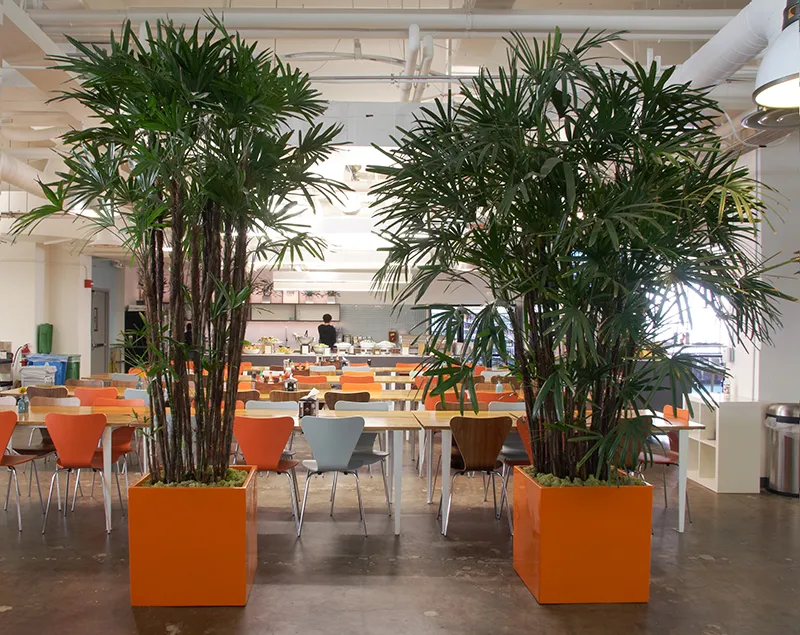
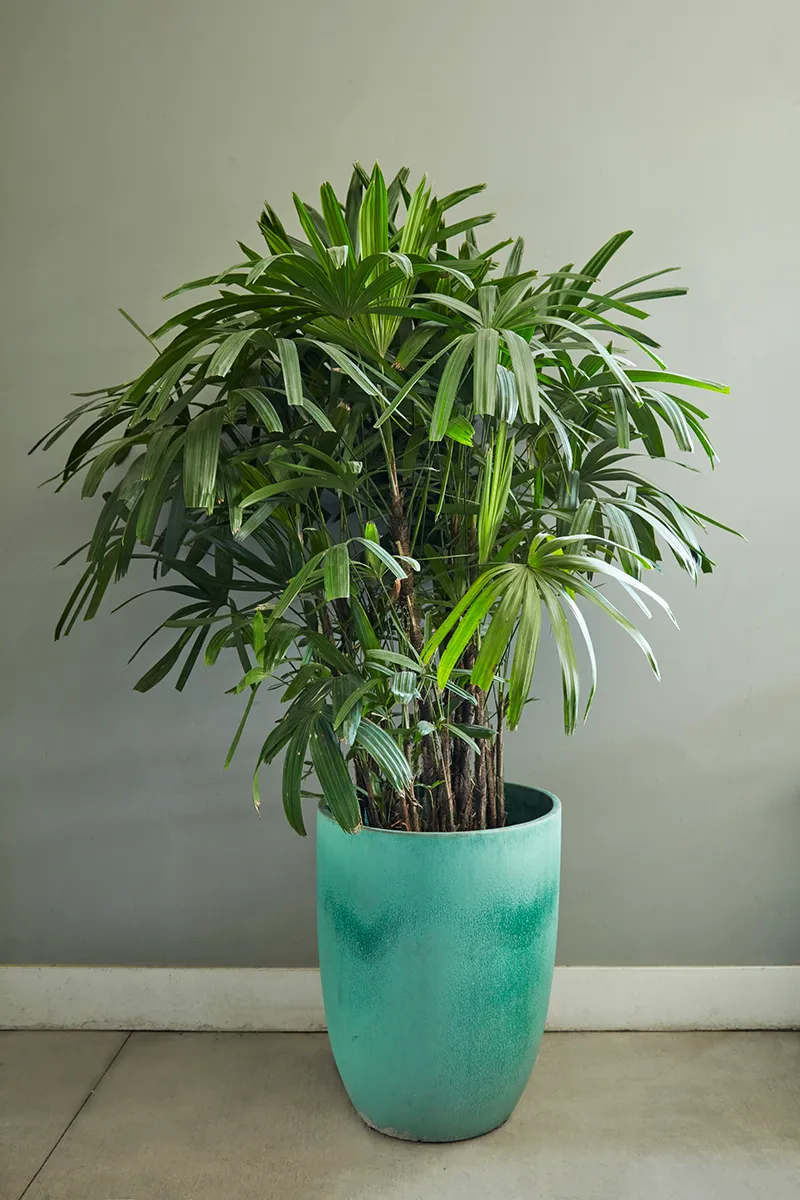
Lush, full bamboo-like growth makes excellent screen or backdrop. Good in containers. Excellent planted singly or in groups.
In stock in San Francisco
from $999
Growing it outdoors
 Mature size | 5–12ft tall 6–10ft wide |
|---|---|
 Exposure | Full Shade – Part Sun |
 Hardy to | 25°F |
 Sunset zones | 12–24, H1, H2 |
 Water needs | Moderate This palm should be watered deeply every week or two once it's established. It doesn't want to ever dry out completely. |
 Tolerates | Pots |
 Plant traits | Clumping, Palm, Screen, Suckering, Tropical |
 Drainage | In Ground: Cactus Mix, In Pots: Cactus Mix, Tolerates Heavy Soil, Tolerates Sandy Soil |
 Fertilizing | Palm Fertilizer |
 Origin | S China |
Growing Notes
Palms are generally heavy feeders, so if you want them growing quickly and looking their best, they should be fertilized at least three times a year. Fertilizing at spring equinox, summer solstice and fall equinox will allow for a winter rest. Be sure to feed your palm with a fertilizer that contains micronutrients (especially including magnesium), especially if you see yellowing leaves or yellow spots on the leaves.
Suckering palms like this one send out additional palm trunks from the base of the palm over time, so that you'll end up with multiple trunks on one palm. If you want fewer trunks and a more open screen, go ahead and thin out the suckers; this is best done early on.
This palm naturally grows stems covered with a furry brown raffia. If desired, this can be easily removed to expose glossy apple green stems, similar to bamboo.
Tolerates dry desert heat, given shade.
Adaptable to various soil.
Growing it indoors
| Mature size | 5–10 tall 2–5ft wide |
|---|---|
| Exposure | Moderate Indirect – Direct Sun |
| Water needs | When soil surface is dry. This plant wants water when the top of the soil is dry, but you can still feel moisture just below the surface. This plant will often fall into a once-a-week watering cycle, but remember that your watering should be based on the moisture left in the soil, which will depend partly on the moisture in the room and the weather outside. The soil 'surface'' goes a bit deeper for larger pots; for example, a plant in a 14-inch diameter pot should dry out a couple of inches deep before you water it, while a plant in a 4-inch pot will only want to dry out in the top ½ inch or so of soil. Pay extra attention to the drainage component of your plant. Many houseplant growers will grow palms in very fast draining mix, and if you find that this palm is in an exceptionally gritty potting soil it will need more frequent watering. |
| Plant traits | Clumping, Palm, Screen, Suckering, Tropical |
| Drainage | In Pots: Cactus Mix |
| Fertilizing | Palm Fertilizer |
| Origin | S China |
Growing Notes
Thin stems and trim off new suckers if a less full plant is desired.
Similar plants
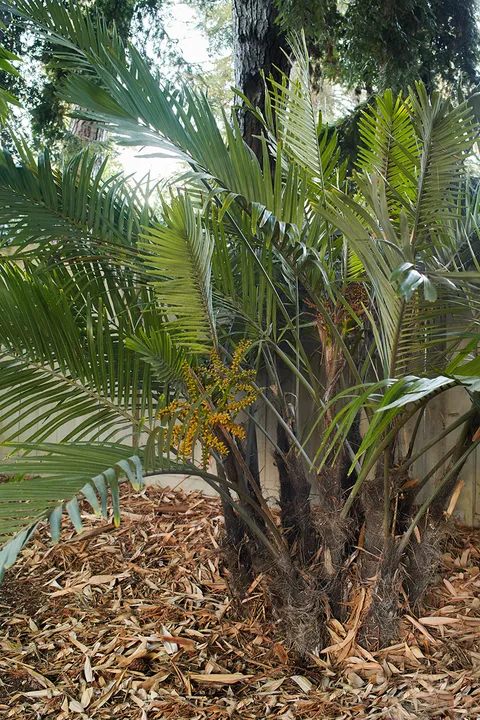
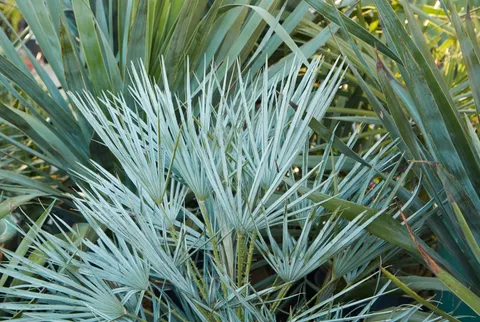
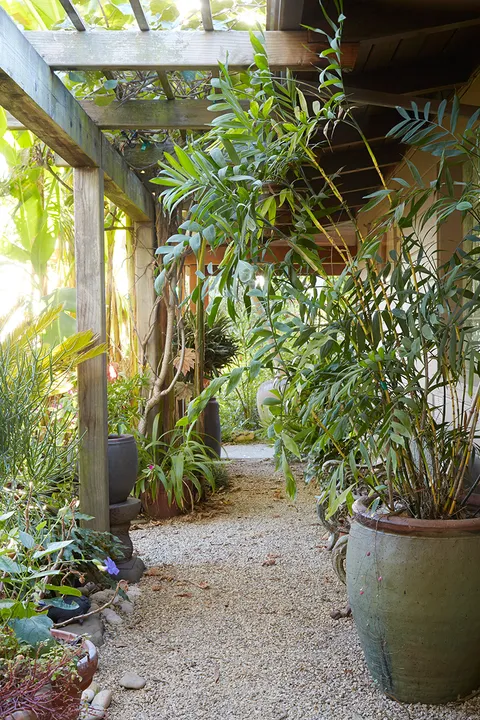
Special Interest
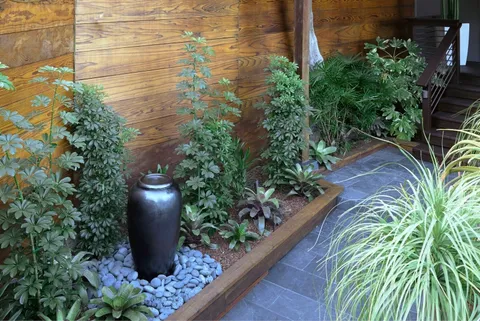
This palm is a staple plant in the subtropical Zen garden style, where it's often complemented by conifers and grasses.
Stories featuring this plant
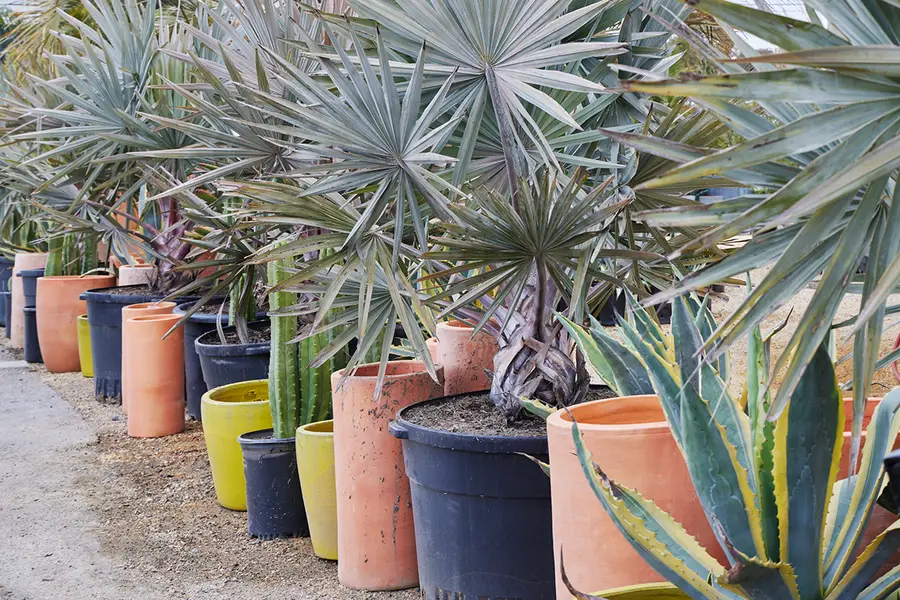 Garden storyPalms for Tight SpacesThere are many challenges when planting a garden, including considering damage to retaining walls, sidewalks, foundations, and underground utilities. Often the easiest way to overcome these tricky spots is planting small plants that won’t have a large impact on nearby infrastructure. But what if you need a larger, more substantial element?
 Garden storyThe Ultimate Guide to Growing Palm Trees in Coastal CaliforniaWe can grow many kinds of palms in our coastal California gardens — palm trees, shrubby palms, bamboo palms, little foliage palms — lucky us! Our guide to everything palm has all the info you need to make the best selections for your garden.
More Info
This plant was grown for an outdoor environment, so we do not recommend moving it inside. In general we do not recommend moving plants raised for an outdoor environment indoors.
This plant would make a good houseplant if it had been grown in a controlled greenhouse with houseplant soil. This 'greenhousing' ensures that plants who come home with you are well acclimated to indoor life, and also that they don't have any pests. It is common for outdoor plants to have other passengers as well, such as earthworms or centipides that don't necessarily hurt the plant, but aren't welcome indoors.
If you consider yourself an expert gardener, you can of course attempt to transition this plant indoors. In that case you'll want to strip all the soil from the rootball, wash the roots clean and then spray the entire plant (leaves, undersides of the leaves, all the cracks and roots) with a mix of one tablespoon of rubbing alcohol in a cup of water. Repot the plant in the appropriate sterile soil/pot and take extra care as it transitions to the indoors, especially looking for pests and treating at the first sign of problems. Always consider the risk that any bugs could also affect other houseplants you have nearby.
For some plants, we sell two versions: outdoor-grown and greenhouse-grown. If you're looking to grow this plant indoors, feel free to ask our staff if we have a greenhouse-grown version in stock.
Links
What we've learned from growing this plant ourselves and in our customers' gardens. We always love to hear more. Tell us
© 2020–2026 Grubb and Nadler. All rights reserved.