
Protea ‘Pink Ice’
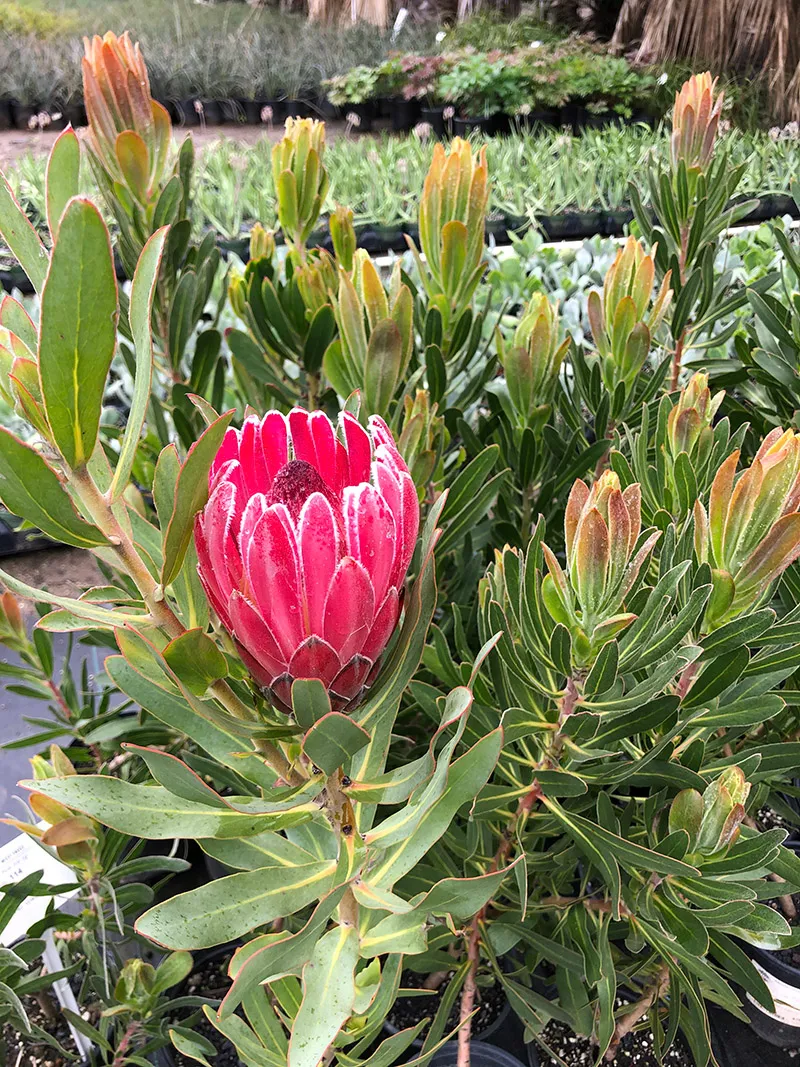
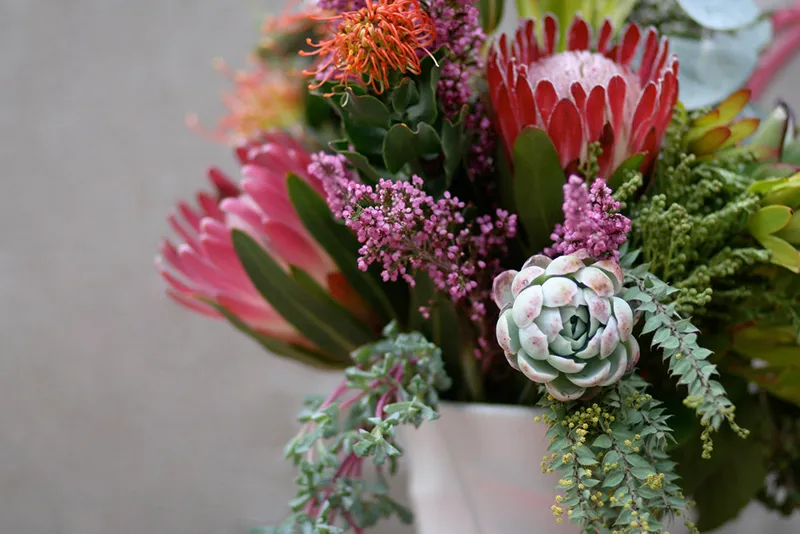
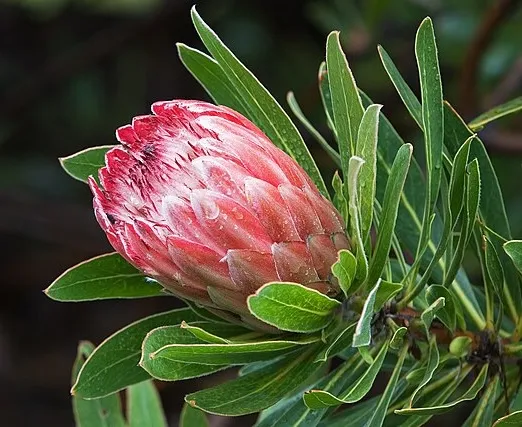
Feather-petaled hot-pink blooms at branch tips are a florists treat! Upright, full formed shrub with coppery new growth that becomes grey-green. Durable. No phosphorus fertilizer.
In stock in San Francisco and Los Angeles
from $59
 Mature size | 8–12 tall 6–10 wide |
|---|---|
 Exposure | Part Shade – Full Sun |
 Hardy to | 23°F |
 Sunset zones | 16, 17, 19–24 |
 Water needs | Low Proteas are well adapted to our Mediterranean climate, making them carefree plants with bountiful rewards. After a few years, when your protea is established, it will want deep watering every couple weeks, though it will tolerate more if the drainage is excellent. |
 Tolerates | Coast, Cool Summers, Drought, Fog, Pots, Salt, Wind |
 Plant traits | Flowering, Screen, Shrub |
 Drainage | In Ground: Cactus Mix, In Pots: Cactus Mix, Tolerates Sandy Soil |
 Fertilizing | Bloodmeal, Fish Emulsion, Low Needs, No Phosphorus |
 Origin | Hybrid, South Africa |
 Synonyms | Protea 'Camelot' Protea 'Silvan Pink' |
Similar plants
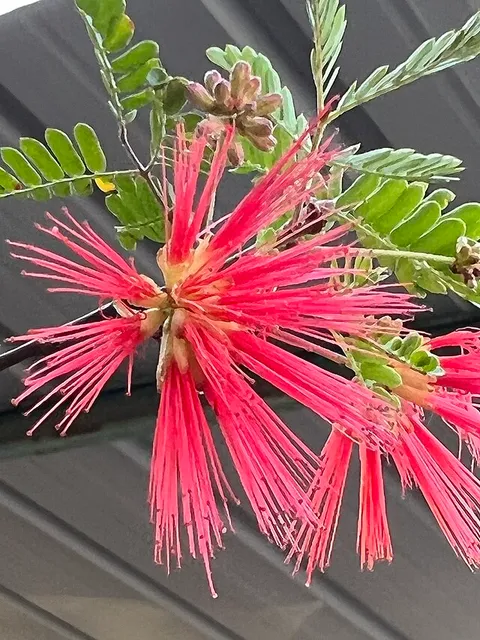
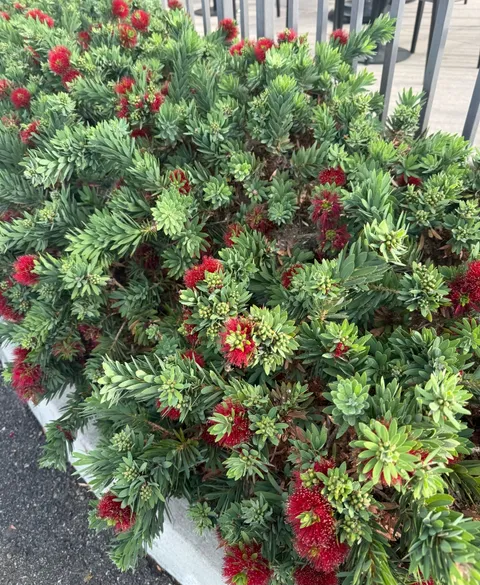
Growing Notes
If you have clay and you have to try a protea this is the one for you! Pink Ice is considered one of the easier protea to grow, in a genus that's known to be a bit touchy. It tolerates clay better than others (though of course it prefers good drainage) and also is also one of the hardiest protea hybrids.
This protea is also one of the best for hedging as it has a naturally full growth pattern that gets incredibly dense with pruning. Don't prune more than two years of growth, where there are no leaves and the branches are woody. Proteas can even be espaliered or pruned into a loose informal screen by removing interior branches.
By tip-pinching buds early on (each time they have grown a few leaves), you can force your protea to become more dense. Since they bloom on the terminal buds, this will delay flowering.
Proteas have evolved to live in very poor soils, and so they should never have phosphorus fertilizer, which many a grower has learned the hard way. If you give your protea all-purpose fertilizer, it'll likely be completely dead within a couple weeks. They do respond well to light acidic fertilizer, such as cotton seed meal, or nitrogen fertilizers such as blood meal and fish emulsion. Generally its better to sit back and see how the plant grows without fertilzier, which is typically not needed.
Special Interest
This plant is a hybrid of Protea compacta and Protea susannae.
Stories featuring this plant
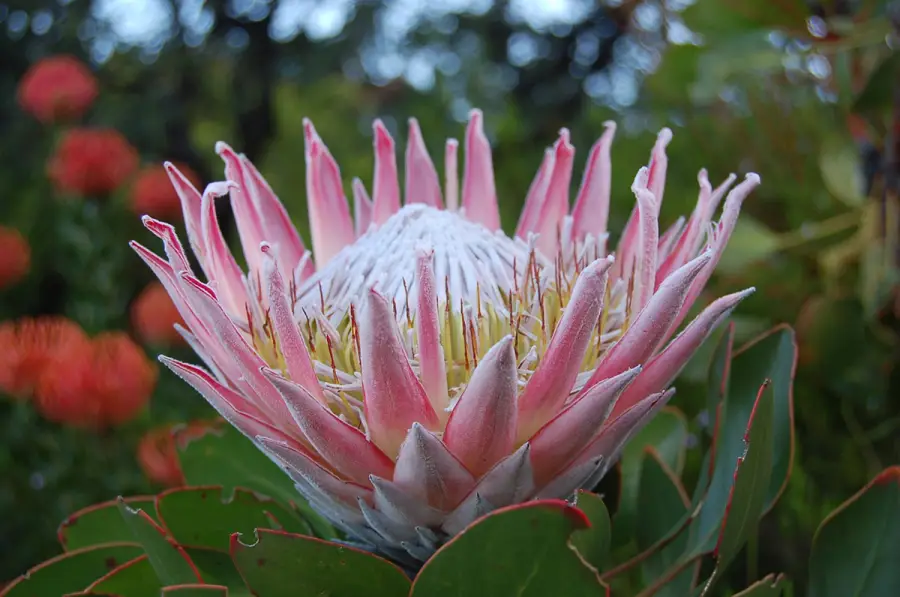 Garden storyThe Beautiful and Varied Blooms of the Protea FamilyAmong the proteaceae there is a vast variety of exotic flowers, and many of these plants have a long blooming season, especially here in coastal California, where the weather mimics their native South African and Australian coastal landscapes.
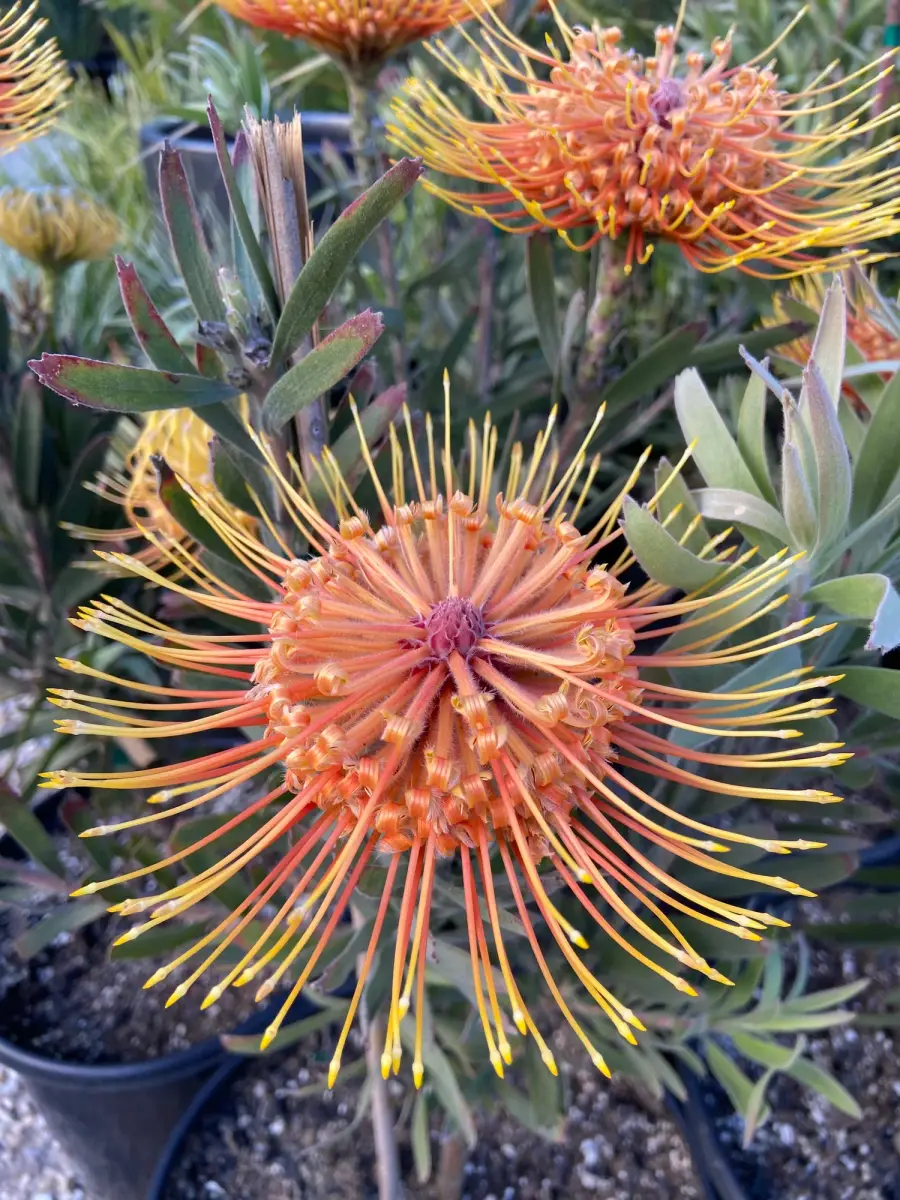 Garden storyProtea and LeucospermumOur growing grounds in the beautiful Rainbow Valley have been hard at work; both our stores are stocked with the widest selection of Proteas and Leucospermums that we've had all year! Learn which ones are available now, then get your favorites at Flora Grubb Gardens in San Francisco or Los Angeles.
Links
What we've learned from growing this plant ourselves and in our customers' gardens. We always love to hear more. Tell us
© 2020–2026 Grubb and Nadler. All rights reserved.