
Chamaedorea glaucifolia
Rare
glaucous parlor palm
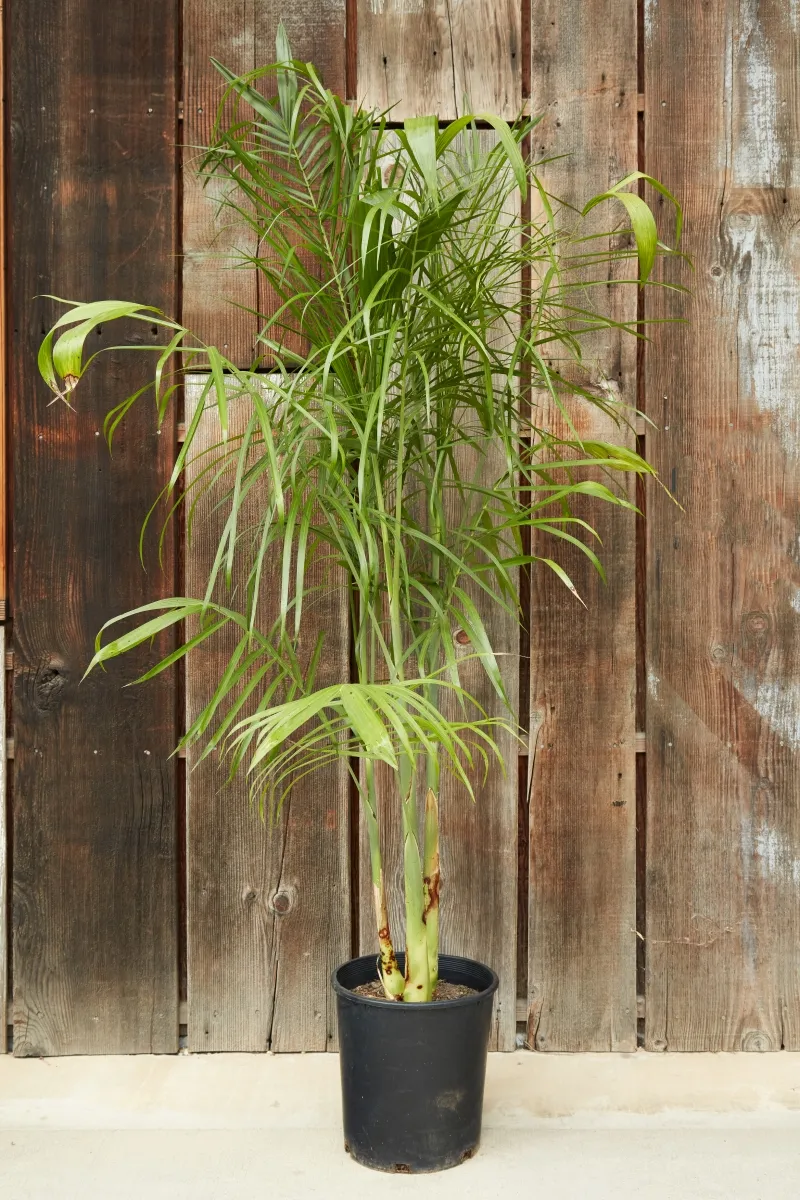
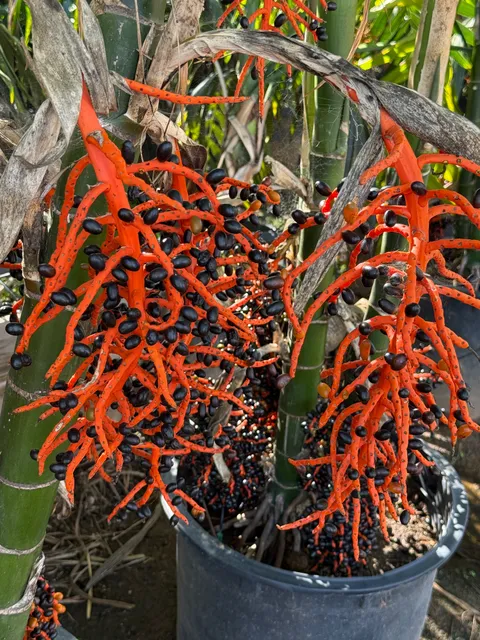
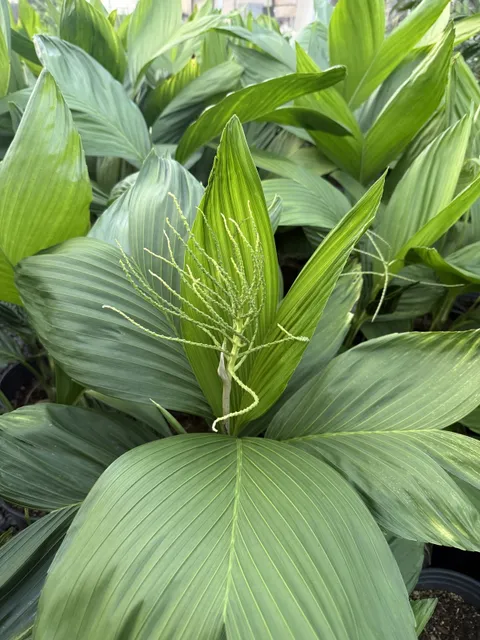
Solitary palm with delicate, wispy foliage nice in groups, containers, or indoors. Fragrant flowers, showy fruits.
In stock in Los Angeles
from $49
 Mature size | 5–8ft tall 2–3ft wide |
|---|---|
 Exposure | Full Shade – Part Shade |
 Hardy to | 26°F |
 Sunset zones | 15–17, 19–24, H1, H2 |
 Water needs | Moderate – High This palm appreciates consistent water, but won't tolerate soggy soil. Once it's established, be sure to water it when the top inch or two of the soil is dry. Usually this will mean watering deeply every five to seven days during the dry season. Planting this palm with good drainage will help to make sure it doesn't accidentally get overwatered. |
 Tolerates | Narrow Planting, Pots |
 Plant traits | Palm, Solitary, Trunking |
 Drainage | In Ground: Cactus Mix, In Pots: Cactus Mix, Tolerates Sandy Soil |
 Fertilizing | Palm Fertilizer |
 Origin | Mexico |
Similar plants
Growing Notes
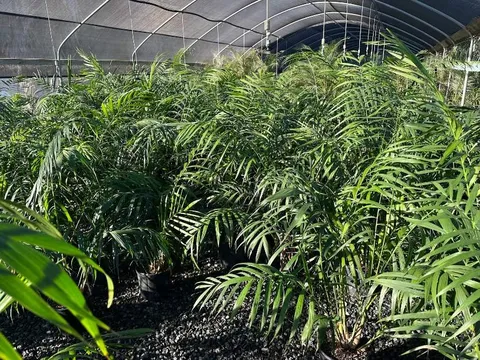
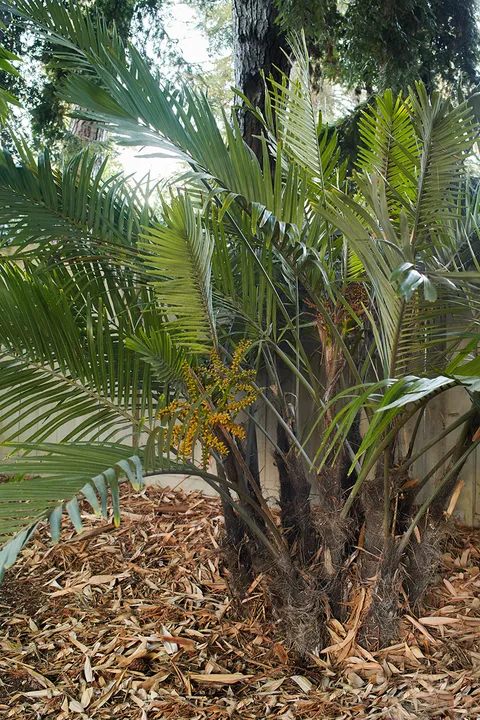
Chamaedorea glaucifolia is a slow-growing single-stem species that resembles C. plumosa but is more cold-hardy (to 26F), and shorter. Surprisingly, it is not closely related to C. plumosa, but it does occur quite near it in habitat, at higher elevation.
Palms are generally heavy feeders, so if you want them growing quickly and looking their best, they should be fertilized at least three times a year. Fertilizing at spring equinox, summer solstice and fall equinox will allow for a winter rest. Be sure to feed your palm with a fertilizer that contains micronutrients, especially if you see yellowing leaves or yellow spots on the leaves. Be sure your palm fertilizer contains micronutrients, particularly magnesium.
This solitary palm will grow only one trunk during its lifetime. If you have a pot with multiple trunks in it, that's because multiple separate palm trees were germinated in the pot. The good news is that you won't need to thin out suckers over time to maintain the number of trunks you started out with.
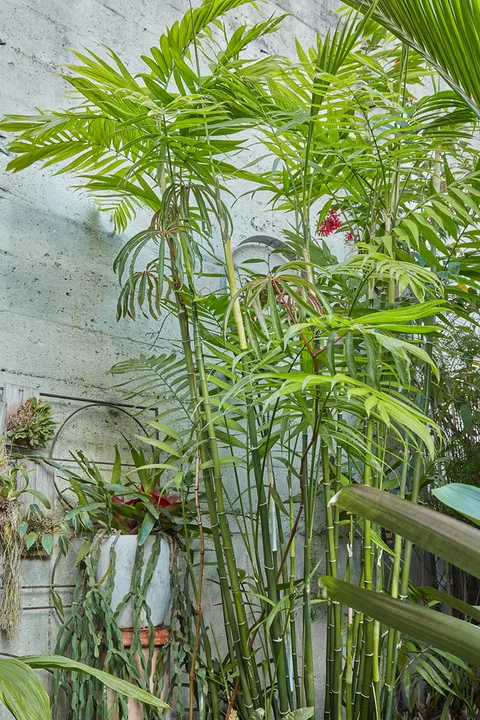
You can prune off older chamaedorea leaves when they start to look ratty, or wait until they are completely dried up. Either way, once the leaf sheath (the part of the leaf that wraps around the trunk of the palm) dries up, you can just pull it right off, exposing the green trunk. Once this is done, your palm trunks will resemble bamboo canes.
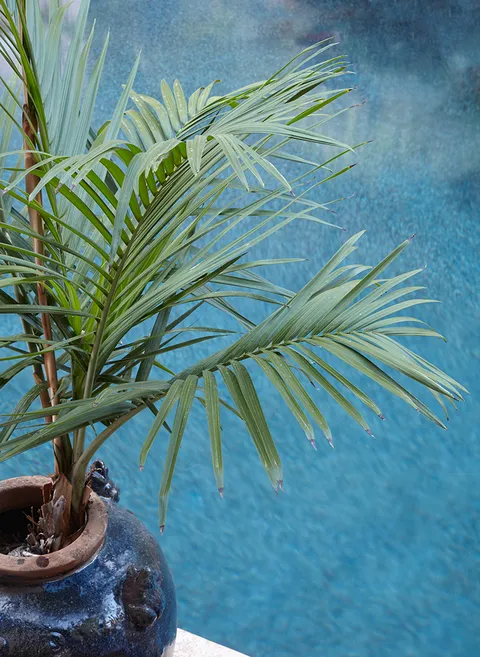
With leaves growing in a single plane along most of the rachis, the feather palm has an elegant look to it.
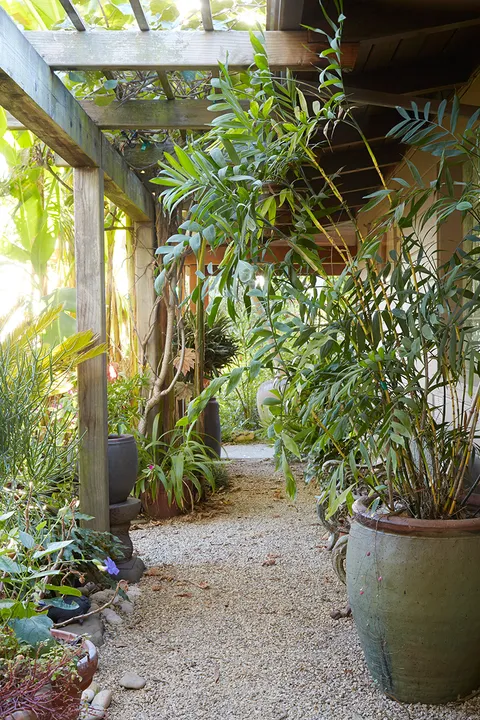
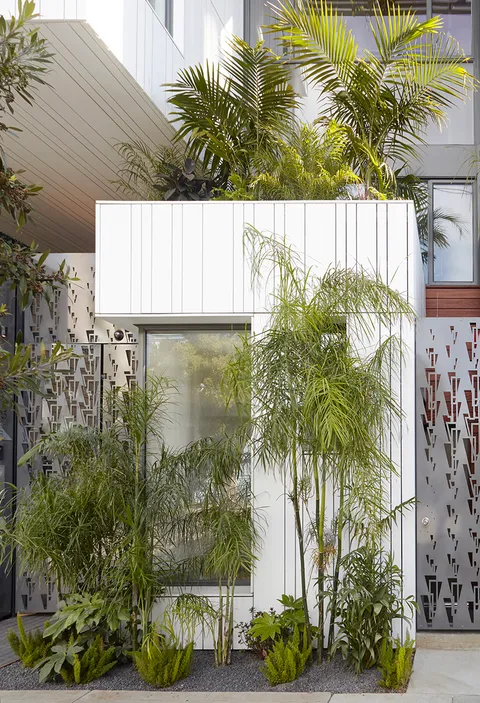
This palm's juicy lush look is an absolute must-have when creating a tropical garden in a temperate climate. Mix it with other broad-leafed flowering plants like cannas, hedychiums, philodendrons, or monsteras.
Links
What we've learned from growing this plant ourselves and in our customers' gardens. We always love to hear more. Tell us
© 2020–2026 Grubb and Nadler. All rights reserved.