
Chamaedorea plumosa
baby queen palm
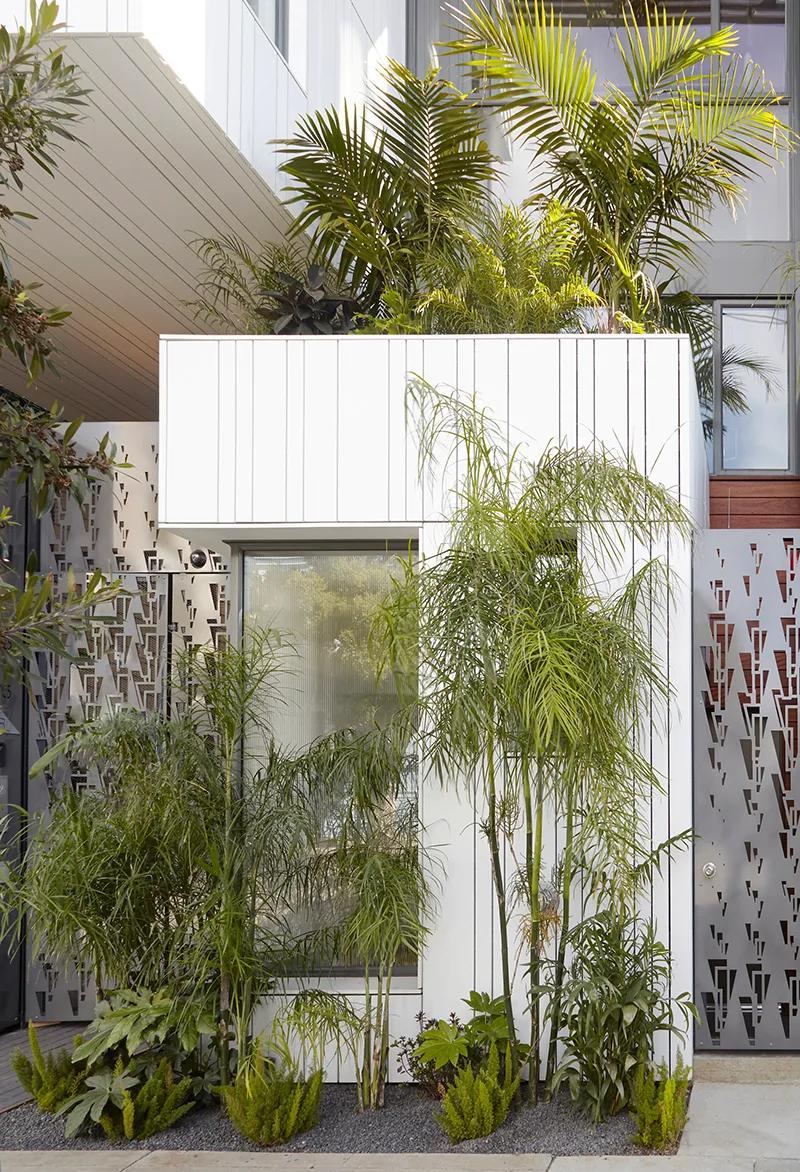
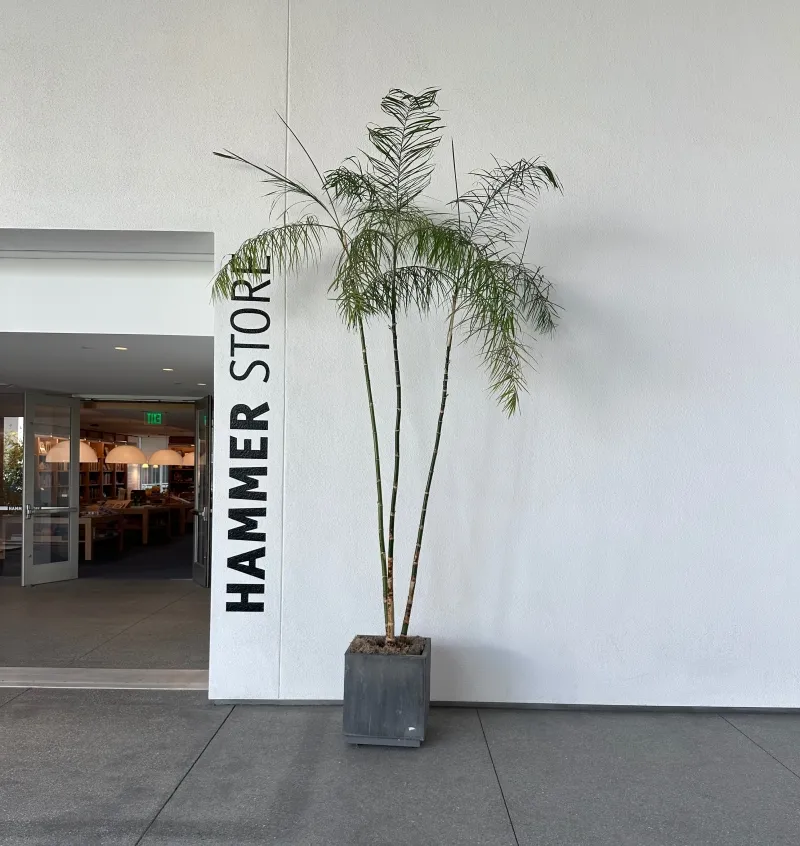
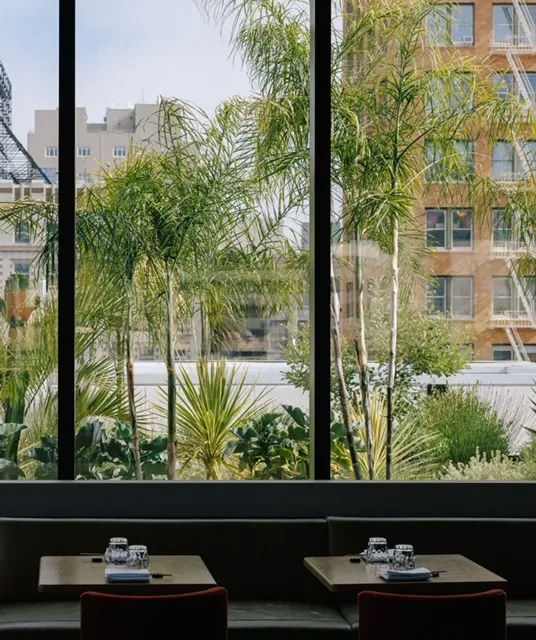
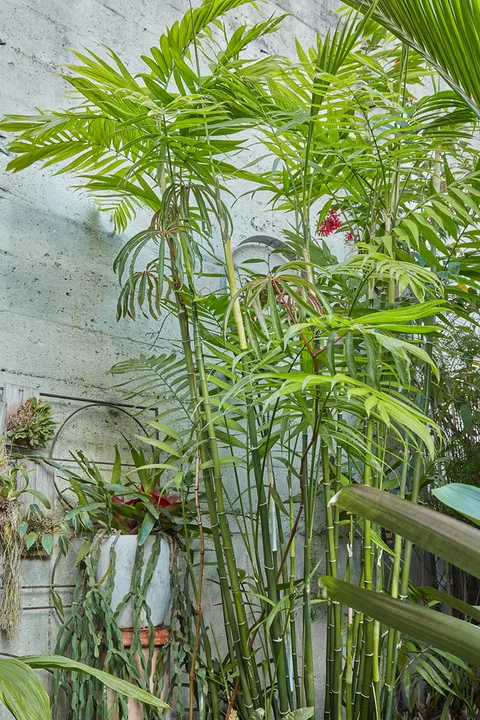
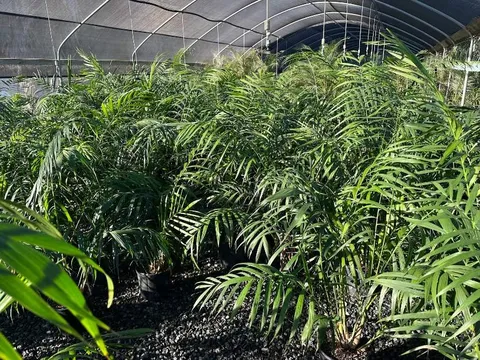
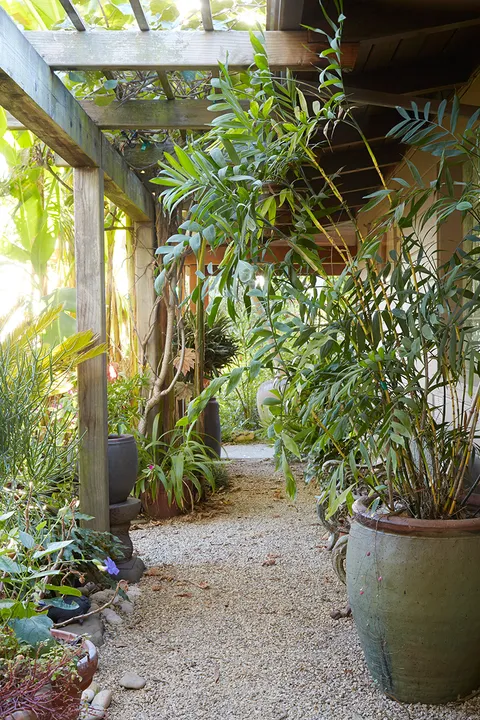
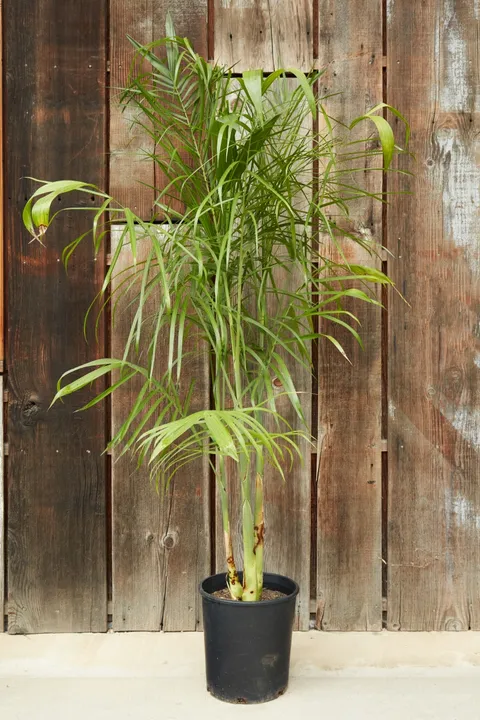
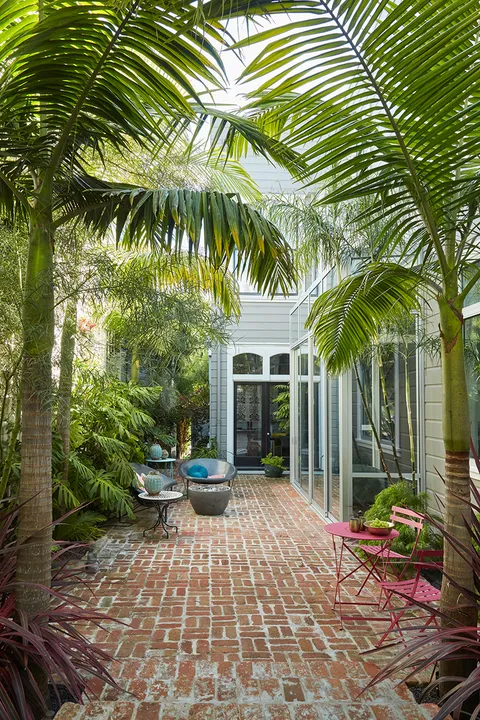
Baby queen palm quickly grows into small tree in shade or part sun. Best planted in multiples. Champion for narrow upright areas. Solitary.
In stock in San Francisco and Los Angeles
from $69
 Mature size | 12–20ft tall 3–5ft wide |
|---|---|
 Exposure | Full Shade – Part Sun |
 Hardy to | 28°F |
 Sunset zones | 16, 17, 21–24, H1, H2 |
 Water needs | Moderate This palm should be watered deeply every week or two once it's established. It doesn't want to ever dry out completely. |
 Tolerates | Narrow Planting, Pots |
 Plant traits | Palm, Solitary, Tropical, Trunking |
 Drainage | In Ground: Cactus Mix, In Pots: Cactus Mix, Tolerates Sandy Soil |
 Fertilizing | Palm Fertilizer |
 Origin | SE Mexico |
Similar plants
Growing Notes
Avoid full sun in inland areas.
Chamaedorea plumosa is a fast-growing (once the trunk forms) single-stem species that makes a respectable small palm tree, and excellent in any exposure in coastal climates from deep shade to substantial sun—if generously irrigated in the latter case. It tolerates temperatures a little below freezing and is not for frosty areas.
Palms are generally heavy feeders, and this palm just loves fertilizer. To keep the leaves bright green, they should be fertilized at least three times a year. Almost any fertilizer will please this plant. Try a fertilizer that contains micronutrients, if you see yellowing new leaves or yellow spots on the leaves.
This solitary palm will grow only one trunk during its lifetime. If you have a pot with multiple trunks in it, that's because multiple separate palm trees were germinated in the pot. The good news is that you won't need to thin out suckers over time to maintain the number of trunks you started out with.
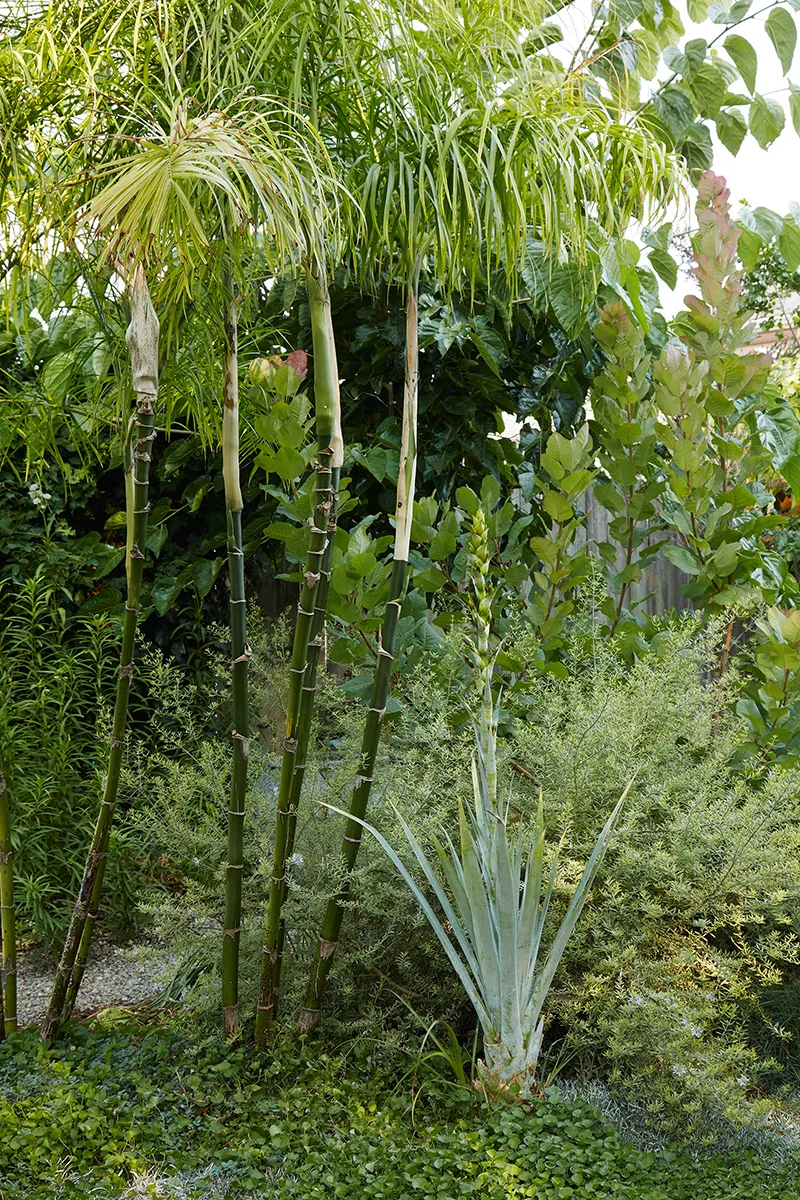
You can prune off older chamaedorea leaves when they turn yellow or start to look ratty, or wait until they are completely dried up. Either way, once the leaf sheath (the part of the leaf that wraps around the trunk of the palm) dries up, you can just pull it right off, exposing the green trunk. Once this is done, your palm trunks will resemble bamboo cane.
Special Interest
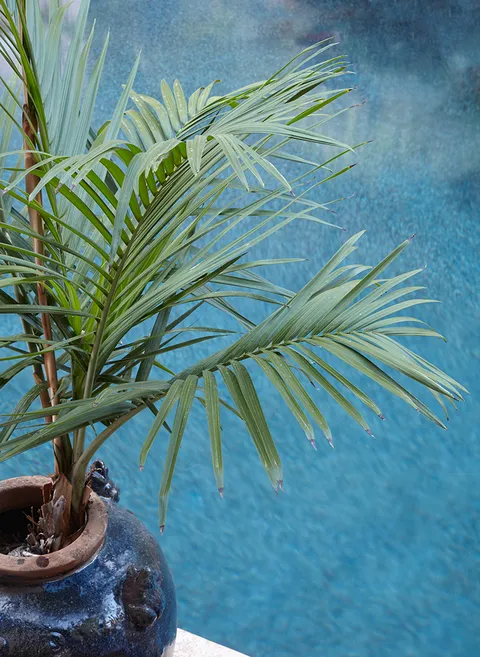
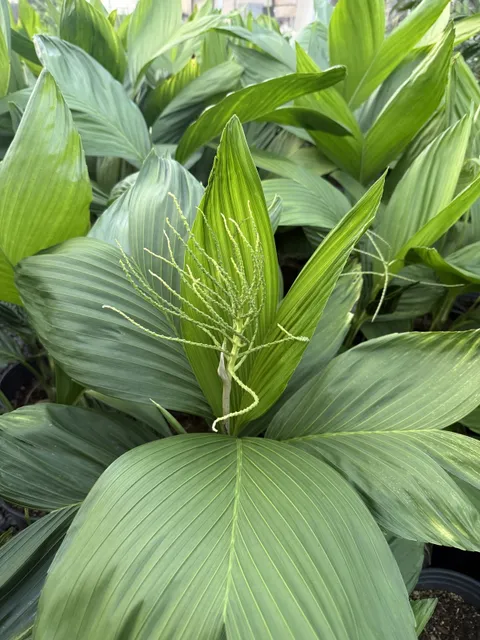
This palm's plumose leaves give it a soft, full look. It's surprisingly tolerant of low-light conditions.
Stories featuring this plant
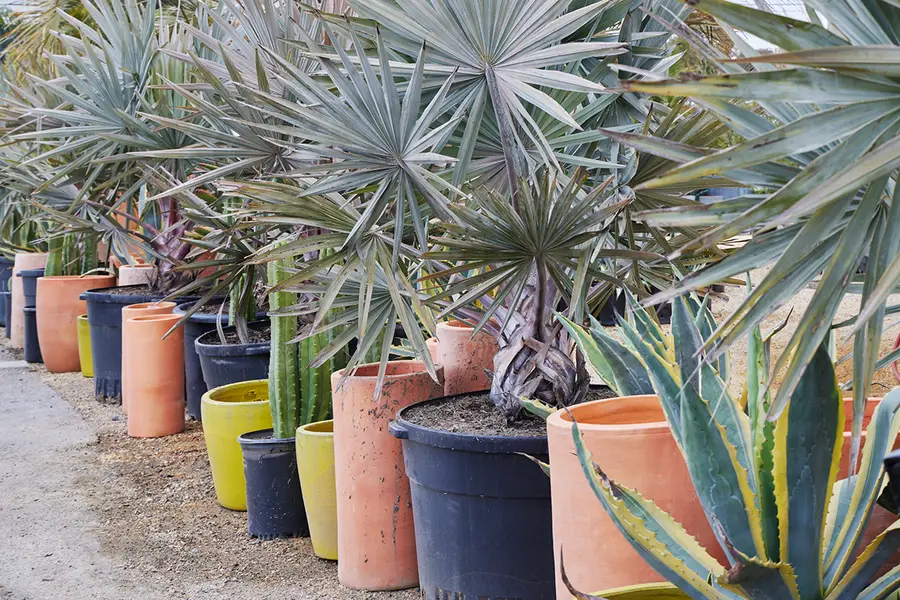 Garden storyPalms for Tight SpacesThere are many challenges when planting a garden, including considering damage to retaining walls, sidewalks, foundations, and underground utilities. Often the easiest way to overcome these tricky spots is planting small plants that won’t have a large impact on nearby infrastructure. But what if you need a larger, more substantial element?
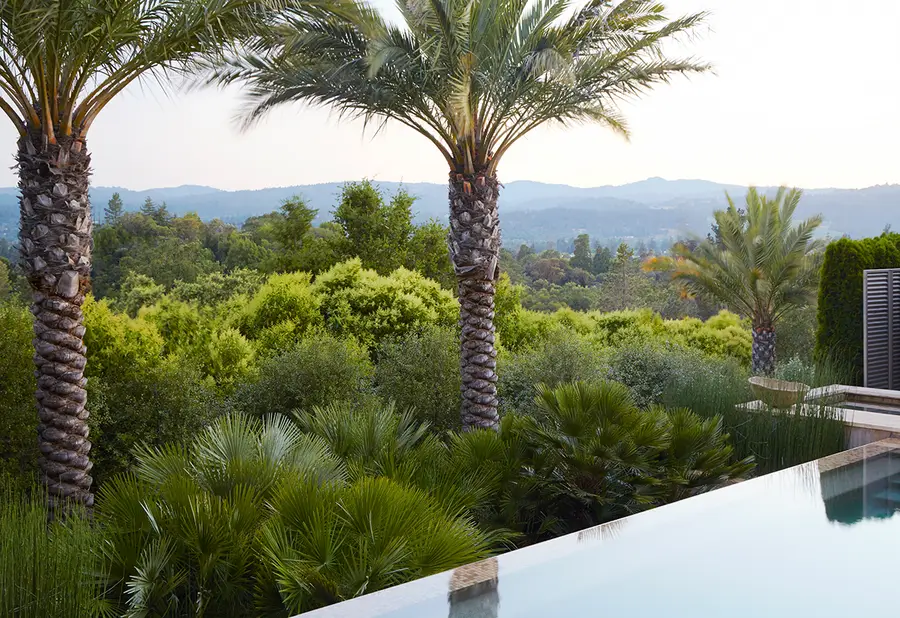 Garden storyThe Ultimate Guide to Growing Palm Trees in Coastal CaliforniaWe can grow many kinds of palms in our coastal California gardens — palm trees, shrubby palms, bamboo palms, little foliage palms — lucky us! Our guide to everything palm has all the info you need to make the best selections for your garden.
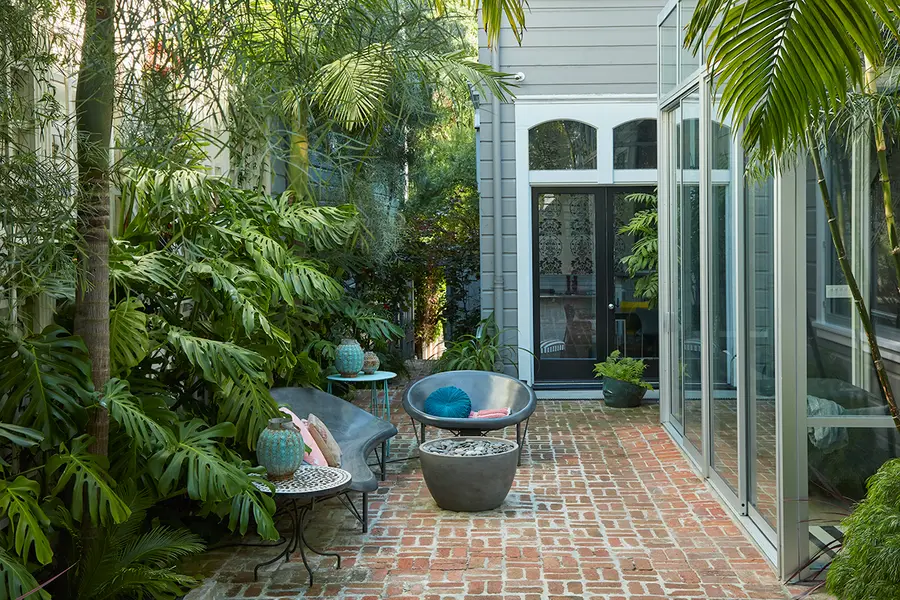 Garden storyA Small SF Garden That Lives LargeAn urban garden with limited space for planting doesn't have to feel sparse or cramped. Check out what designer Christopher Reynolds pulled off here, transforming a narrow SF yard into a graceful, peaceful oasis.
Links
What we've learned from growing this plant ourselves and in our customers' gardens. We always love to hear more. Tell us
© 2020–2026 Grubb and Nadler. All rights reserved.