
Brahea clara
Rare
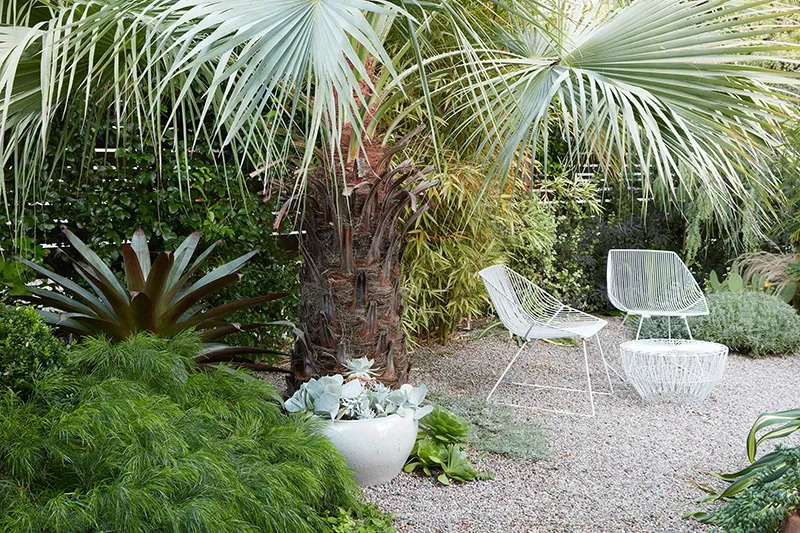
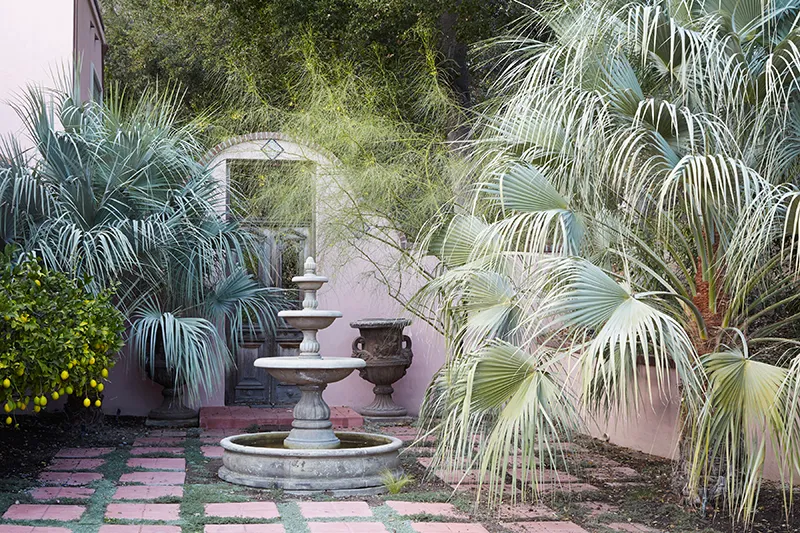
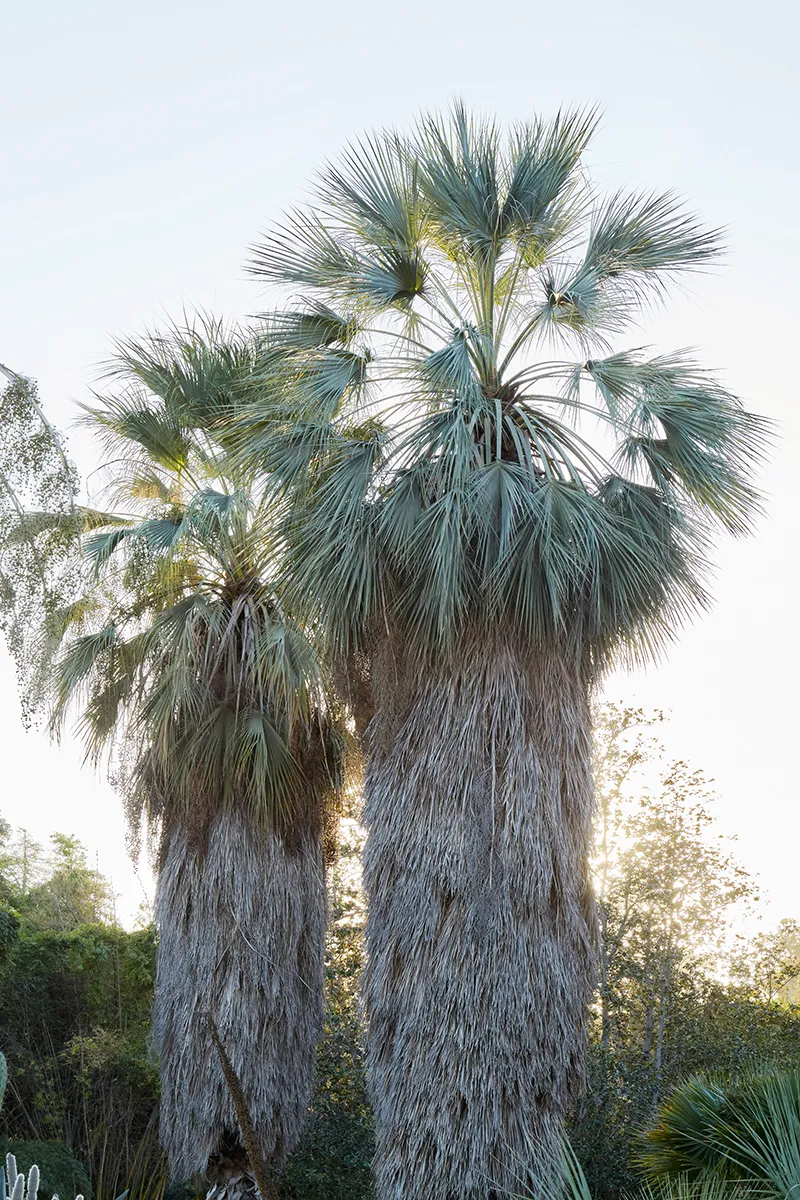
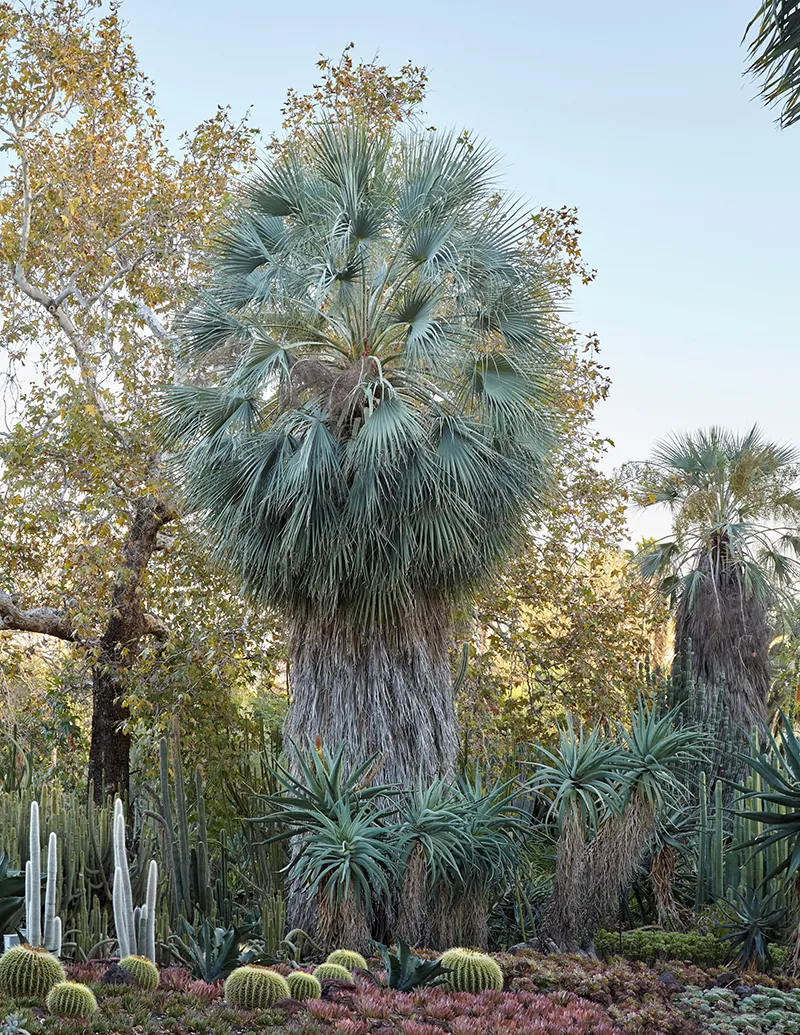
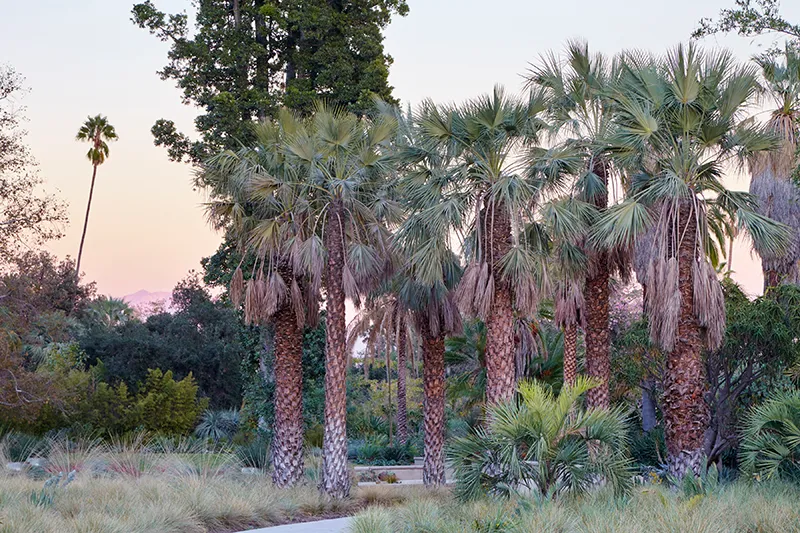
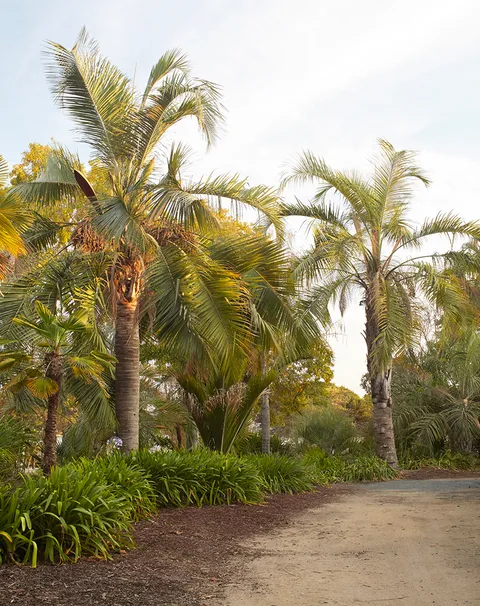
Fast-growing silvery palm for coast and inland alike. Showy flowerstalks. Nice rustling sound in the wind.
In stock in San Francisco and Los Angeles
from $199
 Mature size | 20–30ft tall 6–10ft wide |
|---|---|
 Exposure | Part Sun – Full Sun |
 Hardy to | 17°F |
 Sunset zones | 8, 9, 11–23 |
 Water needs | Low – Moderate This palm should be watered deeply every week or two once it's established. It doesn't want to ever dry out completely. |
 Tolerates | Cool Summers, Drought, Pots, Wind |
 Plant traits | Palm, Solitary, Trunking |
 Drainage | In Ground: Cactus Mix, In Pots: Cactus Mix, Tolerates Sandy Soil |
 Fertilizing | Palm Fertilizer |
 Origin | Baja, Mexico |
Similar plants
Growing Notes
Fan palms have leaflets spreading from the tip of the rachis, giving the crown of the palm a rounded full look. They tend to rustle in the breeze, adding a soothing note to the garden.
This solitary palm will grow only one trunk during its lifetime. If you have a pot with multiple trunks in it, that's because multiple separate palm trees were germinated in the pot. The good news is that you won't need to thin out suckers over time to maintain the number of trunks you started out with.
Palms are generally heavy feeders, so if you want them growing quickly and looking their best, they should be fertilized at least three times a year. Fertilizing at spring equinox, summer solstice and fall equinox will allow for a winter rest. Be sure to feed your palm with a fertilizer that contains micronutrients, especially if you see yellowing leaves or yellow spots on the leaves.
Special Interest
Possibly a naturally occurring hybrid of Brahea armata and B. brandegeei.
This palm contributes to the oasis-style garden, especially when it's mixed with cactus and other drought-tolerant plants like euphorbias. It also makes an unusual and yet compelling addition to the Mediterranean garden when mixed with lavender, rosemary, and olives.
Stories featuring this plant
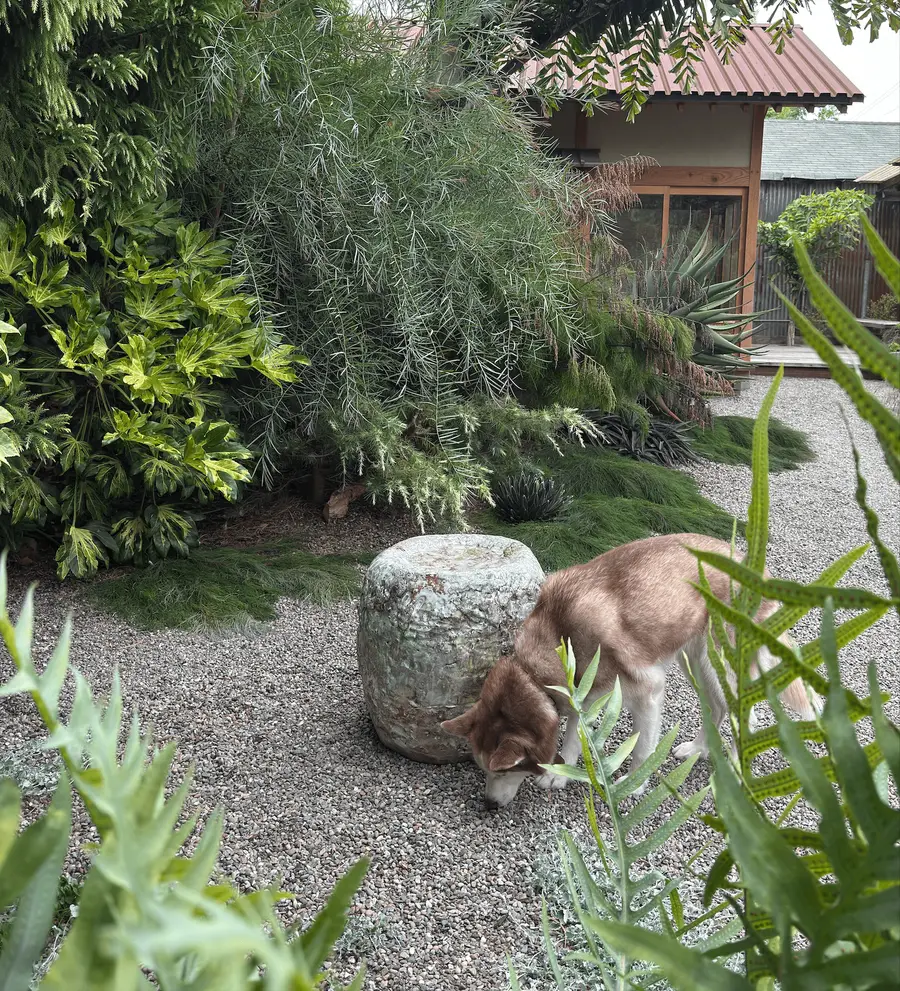 Garden storyFlora Grubb’s New Home GardenAbout twelve years ago, Flora Grubb, co-owner and co-founder of Flora Grubb Gardens, moved and began working on a new garden. No garden is ever finished, but Flora decided this garden is ready to share with you.
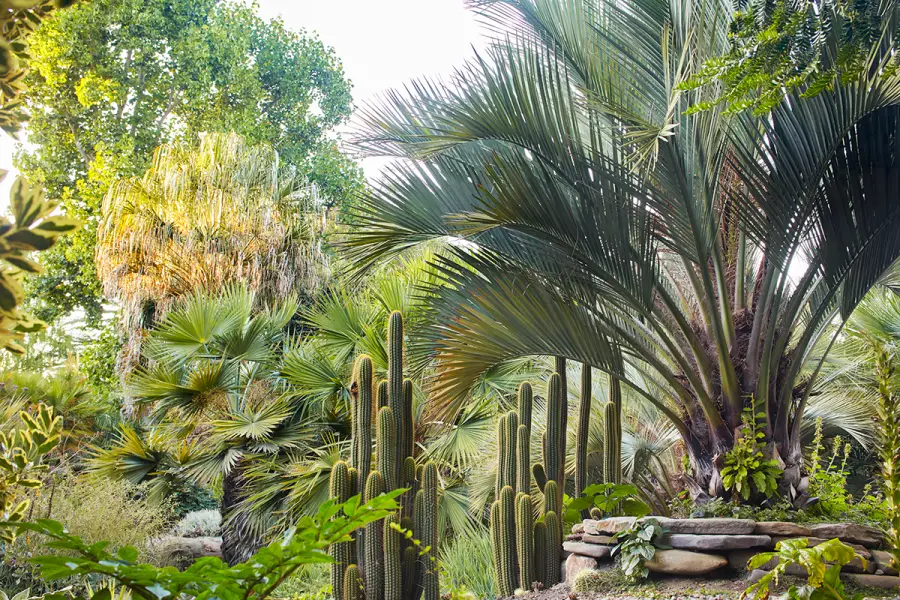 Garden storyPalms for the Dry GardenThe dry garden is a place we cultivate for harvest and beauty and life outdoors without overdoing the water in our summer-dry climate. With all their beauty and versatility, palms can play an important in the dry garden.
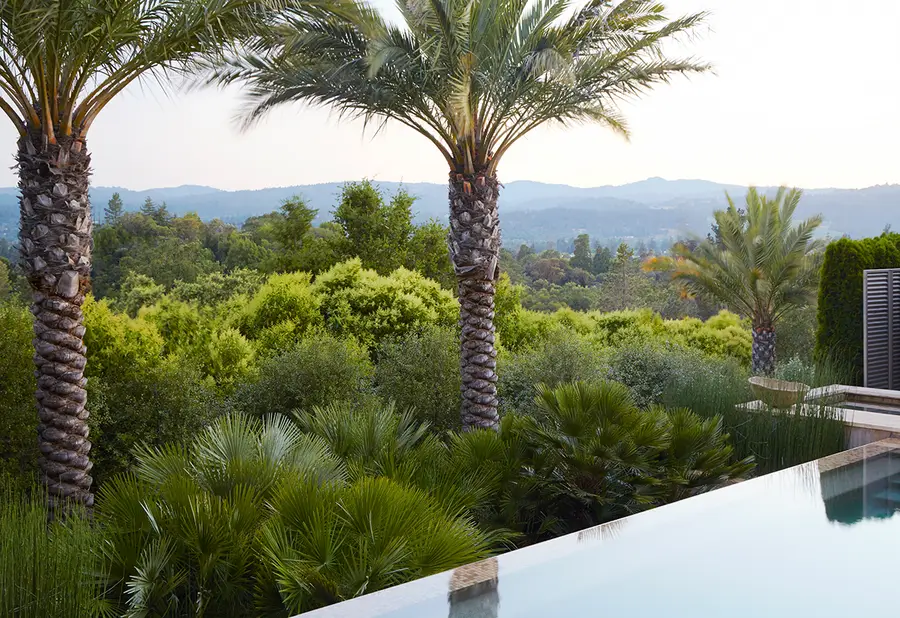 Garden storyThe Ultimate Guide to Growing Palm Trees in Coastal CaliforniaWe can grow many kinds of palms in our coastal California gardens — palm trees, shrubby palms, bamboo palms, little foliage palms — lucky us! Our guide to everything palm has all the info you need to make the best selections for your garden.
Links
What we've learned from growing this plant ourselves and in our customers' gardens. We always love to hear more. Tell us
© 2020–2026 Grubb and Nadler. All rights reserved.