
Syagrus romanzoffiana
queen palm
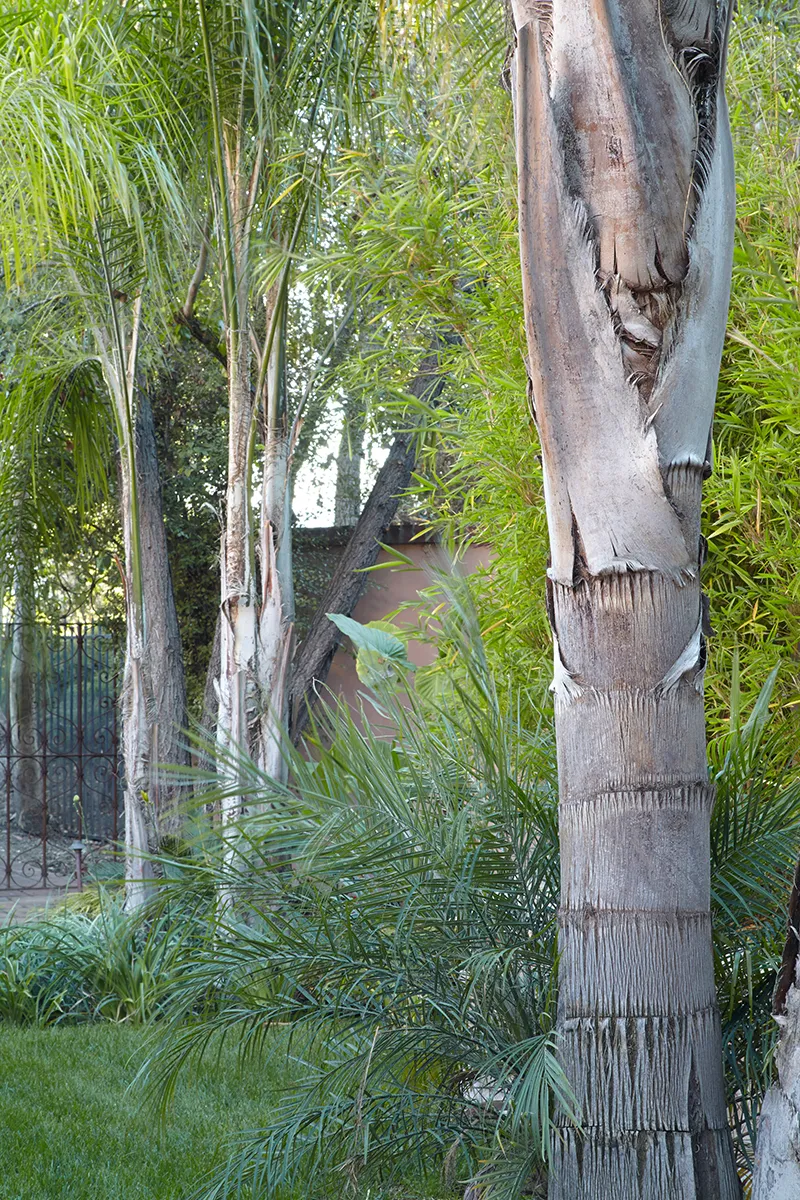
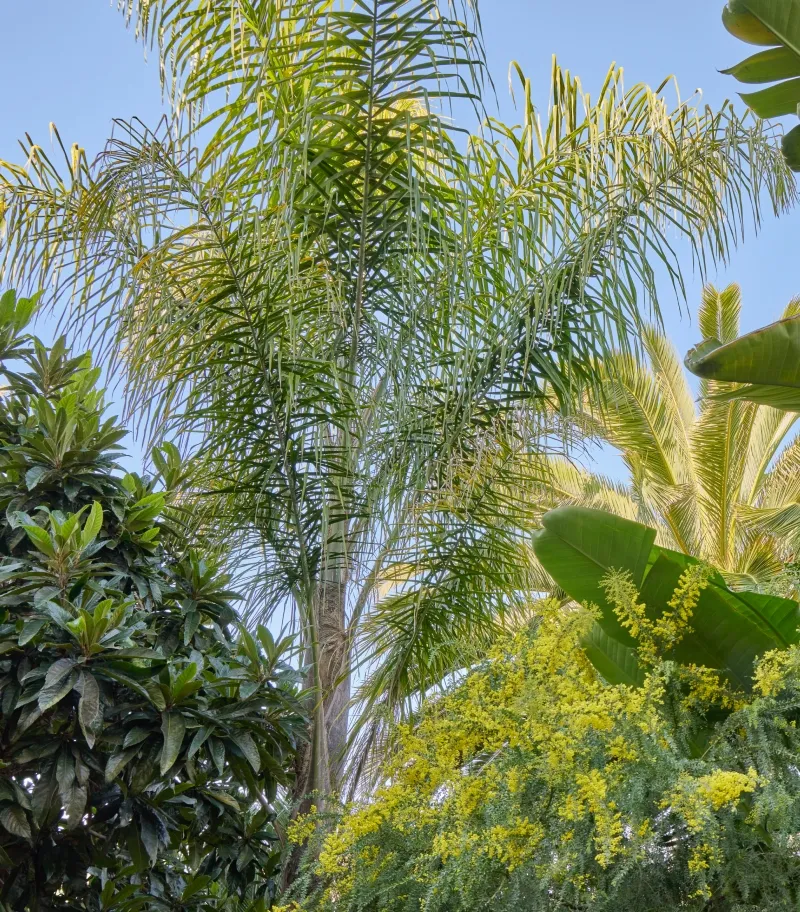
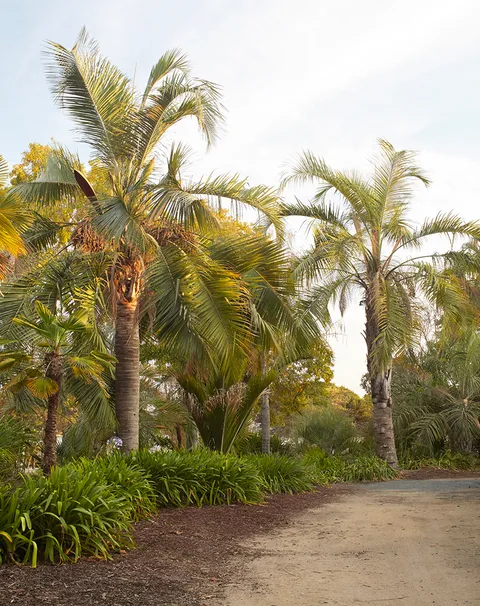
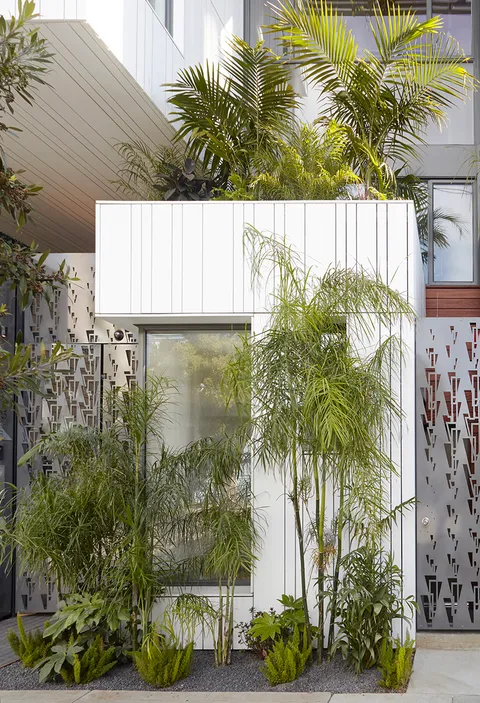
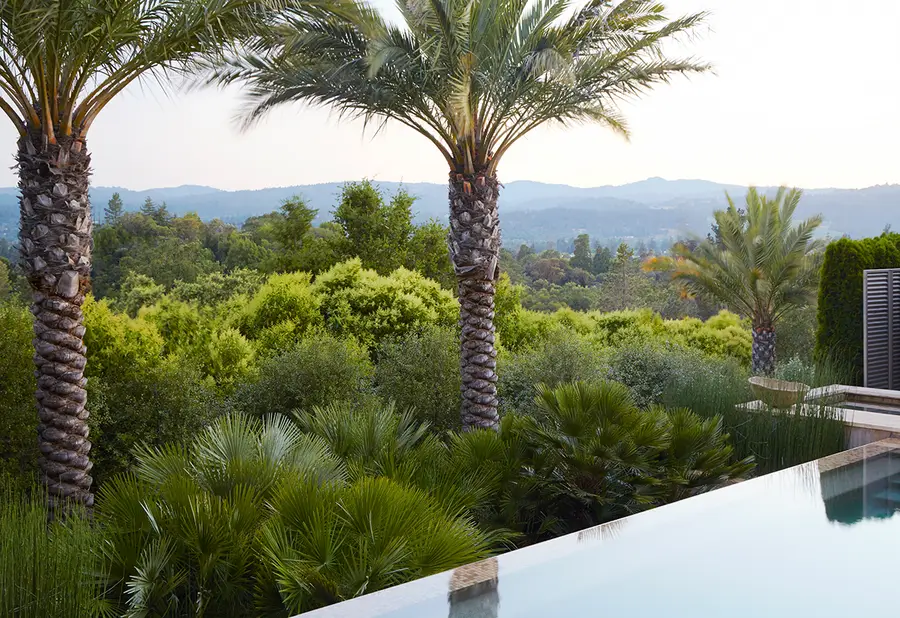
Fast-growing and adaptable palm grown for its graceful canopy of soft and fluffy fronds. Narrow and upright when young, stout with when mature. Avoid windiest fog belt.
In stock in San Francisco and Los Angeles
from $89
 Mature size | 30–50ft tall 15–20ft wide |
|---|---|
 Exposure | Part Shade – Full Sun |
 Hardy to | 22°F |
 Sunset zones | 14–24 |
 Water needs | Moderate This palm should be watered deeply every week or two once it's established. It doesn't want to ever dry out completely. This palm also thrives with high levels of water, especially if it has good drainage. We often see this palm surviving as a street tree in California without additional water, where it looks good if it taps into ground water, but otherwise looks tired and exposed. |
 Tolerates | Heat, Moist Soil, Pots, Wind |
 Plant traits | Palm, Solitary, Tropical, Trunking |
 Drainage | In Ground: Cactus Mix, In Pots: Cactus Mix, Tolerates Heavy Soil, Tolerates Sandy Soil |
 Fertilizing | Palm Fertilizer |
 Origin | SE South America |
 Synonyms | Arecastrum romanzoffianum Cocos plumosa |
Similar plants

Growing Notes
We recommend this palm be fertilized at least three times a year. Fertilizing at spring equinox, summer solstice and fall equinox will allow for a winter rest. Be sure to feed your palm with a fertilizer that contains micronutrients (especially including magnesium and manganese), especially if you see yellowing leaves or yellow frizzled tips on the leaves. Yellowing leaves are common on queen palms that are not fed regularly or are fed without micronutrients.
Once it's mature, this palm will naturally shed its leaves, leaving a rough grey trunk below the palm's crown. This makes it a great choice if you're looking for a palm with a clean trunk and don't want to bother removing the leaves. Many times a queen palms oldest leaves will persist stubbornly if they are pruned back before they shed on their own; these can be removed by scoring along the base of the leaf where it attaches to the trunk, or if you wait long enough they will come off with a tug.
While we think of this palm as a full sun palm it will appreciate some shelter if grown inland where temperatures are high and humidity is low.
Tolerates wind very well, even hot dry wind.
Stories featuring this plant
Links
What we've learned from growing this plant ourselves and in our customers' gardens. We always love to hear more. Tell us
© 2020–2026 Grubb and Nadler. All rights reserved.