
Brahea ‘Super Silver’
Rare
silver rock palm
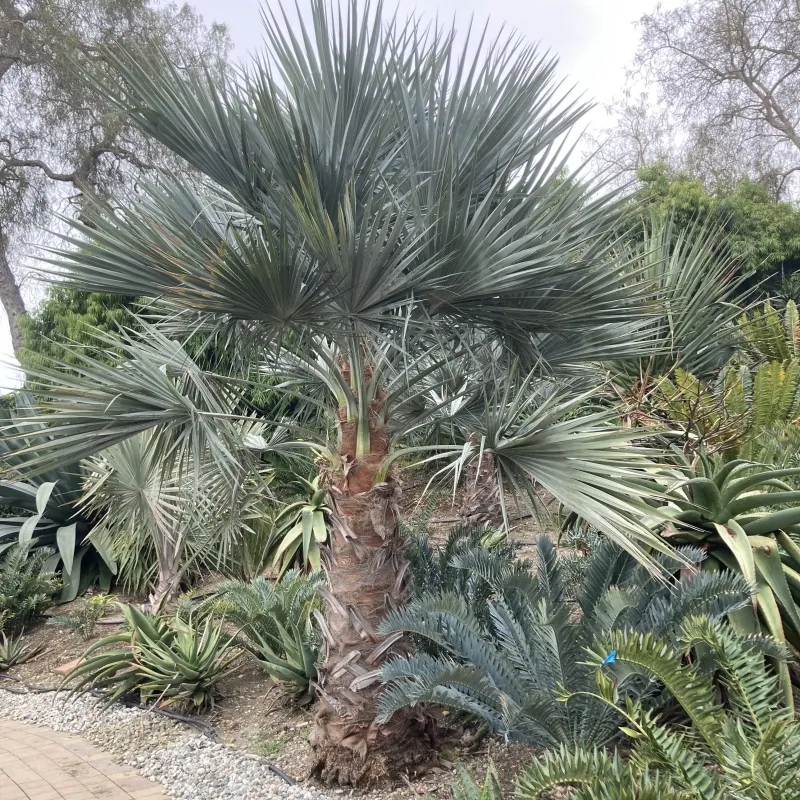
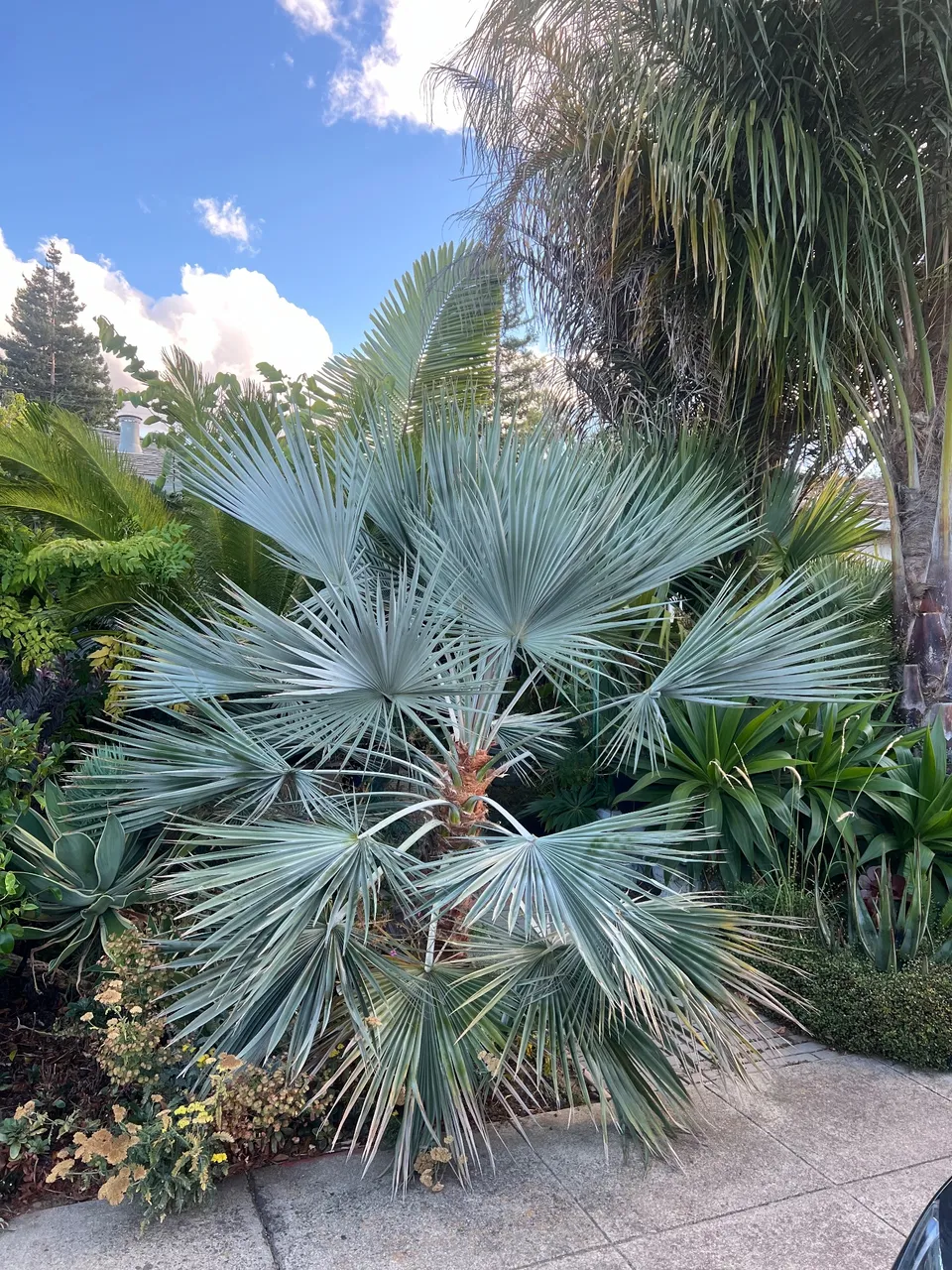
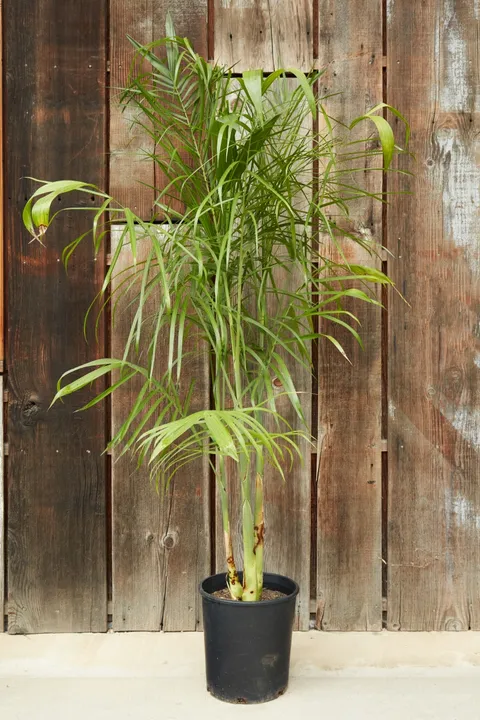
Unarmed, modest-size palm starts green, matures to silver, tolerates low water and heat. New to cultivation. Plant in well-drained soil or pots.
In stock in Los Angeles
from $169
 Mature size | 12–20ft tall 3–6ft wide |
|---|---|
 Exposure | Part Shade – Full Sun |
 Hardy to | 22°F |
 Sunset zones | 9, 12–24, H1, H2 |
 Water needs | Low – Moderate Not all palms love water! This one is actually drought-tolerant and can live quite happily on little or no water once it's established, though it'll grow more slowly and may not look as lush. To keep your palm looking its best, be sure to water it consistently and deeply while it's getting established, then after a few years give it a good deep soaking every couple of weeks. It will also be happy to have more water, provided the soil drainage is adequate. |
 Tolerates | Drought, Heat, Pots, Rooftops, Wind |
 Plant traits | Foliage Feature, Palm, Sculptural, Solitary, Tropical, Trunking |
 Drainage | In Ground: Cactus Mix, In Pots: Cactus Mix, Tolerates Sandy Soil |
 Fertilizing | Palm Fertilizer |
 Origin | C Mexico |
Similar plants
Growing Notes
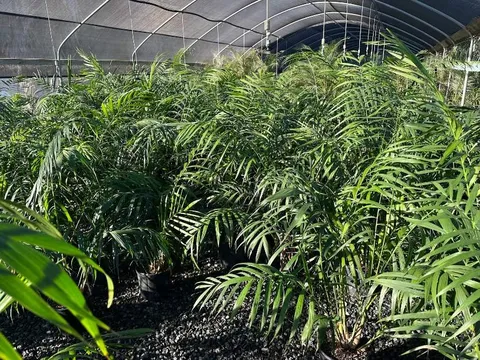
Leaves will be green when young, and get more and more silver as this palm matures. As this palm is new to cultivation, the height, width, and hardiness given here are our best guess at what this palm may mature into given how it grows in nature.
This solitary palm will grow only one trunk during its lifetime. Fan palms have leaflets spreading from the tip of the petiole, giving the crown of the palm a rounded full look. They tend to rustle in the breeze, adding a soothing note to the garden.
This palm holds its leaves for a long time, creating a beard or skirt on the trunk. If you want, you can always prune off the beard for a cleaner look.
Palms are generally heavy feeders, so if you want them growing quickly and looking their best, they should be fertilized at least three times a year. Fertilizing at spring equinox, summer solstice and fall equinox will allow for a winter rest. Be sure to feed your palm with a fertilizer that contains micronutrients, especially if you see yellowing leaves or yellow spots on the leaves.
Special Interest
We are thrilled to be growing this rare palm. This palm is undescribed in nature and very rare in cultivation. It looks similar to other silver braheas -- armata and clara -- but, unusually for the genus, the petioles are totally unarmed (have no thorns).
This palm grows alongside tree yuccas and agaves in the fringe between desert and pine-oak forest.
Stories featuring this plant
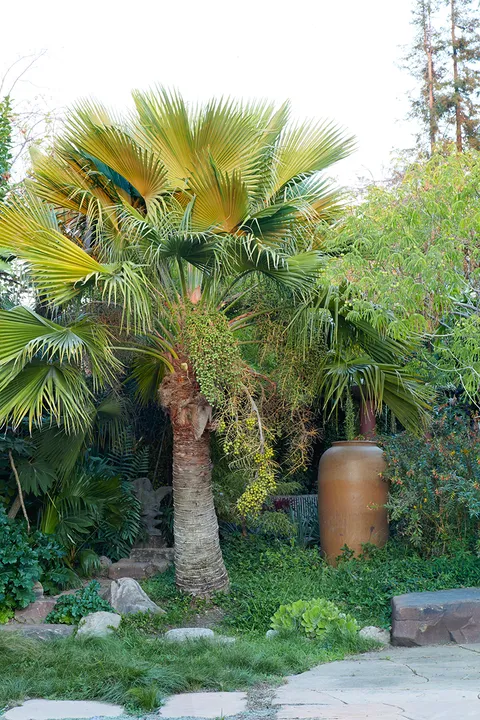
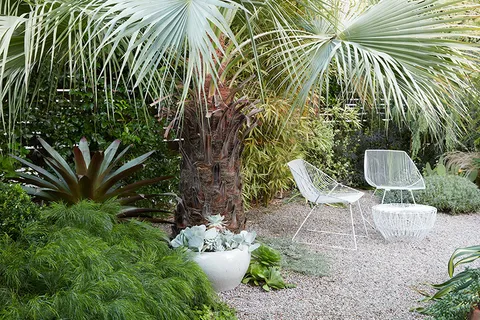
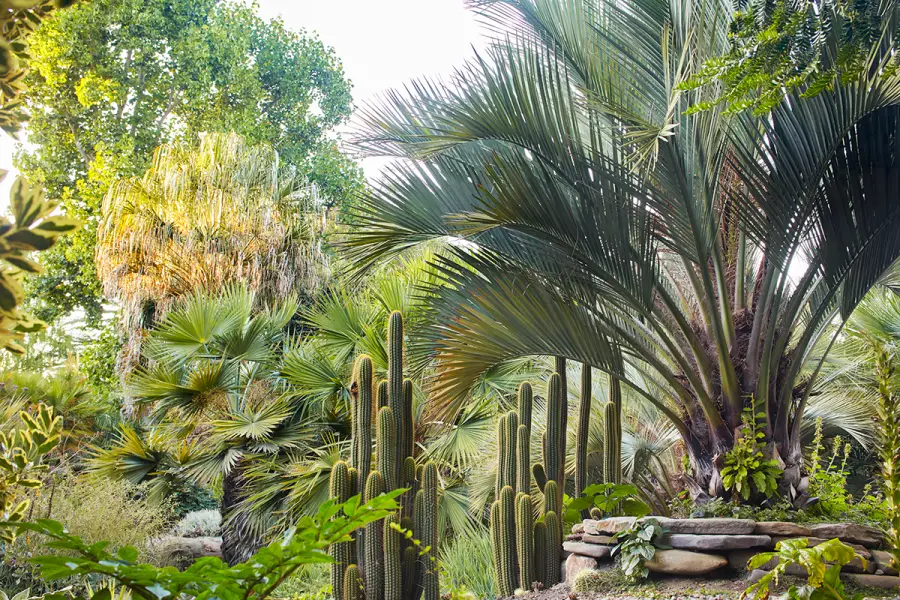 Garden storyPalms for the Dry GardenThe dry garden is a place we cultivate for harvest and beauty and life outdoors without overdoing the water in our summer-dry climate. With all their beauty and versatility, palms can play an important in the dry garden.
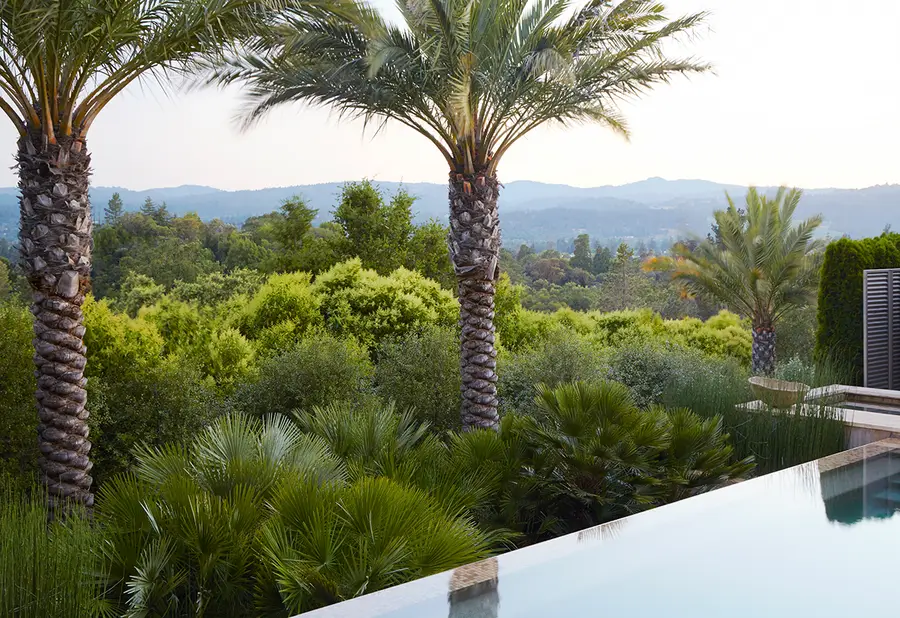 Garden storyThe Ultimate Guide to Growing Palm Trees in Coastal CaliforniaWe can grow many kinds of palms in our coastal California gardens — palm trees, shrubby palms, bamboo palms, little foliage palms — lucky us! Our guide to everything palm has all the info you need to make the best selections for your garden.
Links
What we've learned from growing this plant ourselves and in our customers' gardens. We always love to hear more. Tell us
© 2020–2026 Grubb and Nadler. All rights reserved.