
Dodonaea viscosa ‘Purpurea’
purple hopseed bush
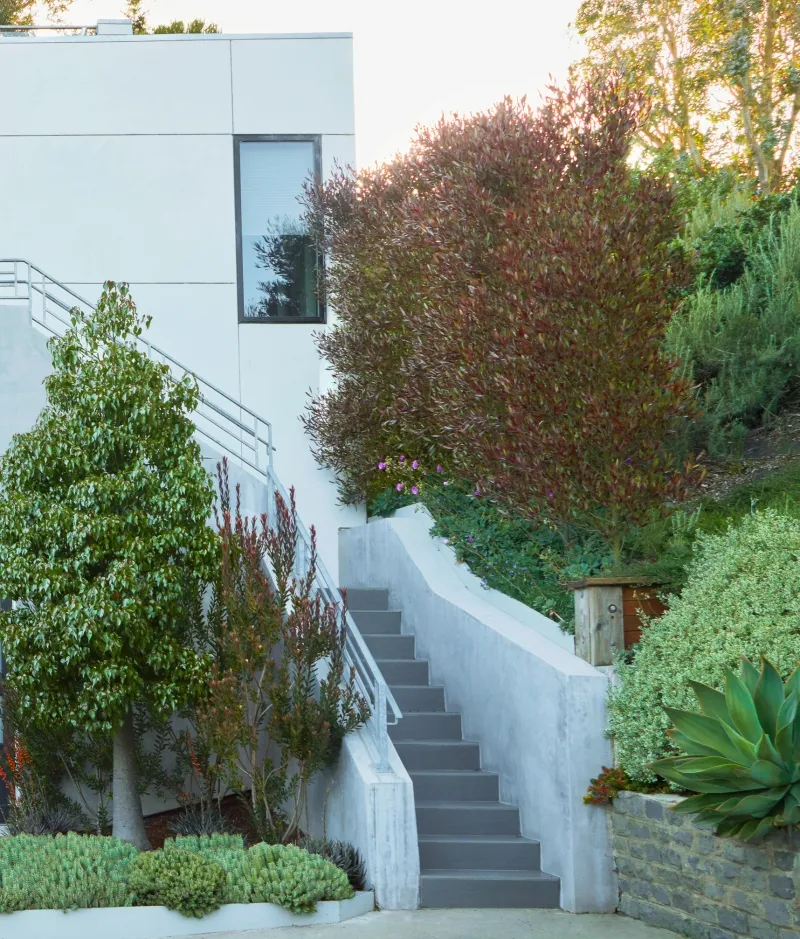
Fast growing tough burgundy shrub has color that intensifies with cold or sun. Insignificant summer flowers followed by papery seedpods in fall. Summer sheering maintains size and density.
 Height | 10–15ft |
|---|---|
 Width | 9–13ft |
 Tolerates | Cold, Cool Summers, Fog, Heat, Pots, Wind |
 Water needs | Low – Moderate |
Water this plant regularly, when the top inch or so of soil feels dry. If you establish this pattern over several years, then you can cut back to watering every week or two in dry weather. Use drippers, emitters, or a slow stream of water so that it doesn't run off; allow the water to trickle all the way down through the deepest layers of soil. In a pot slowly water the entire surface until water comes out of the bottom of your pot. | |
 Hardy to | 15°F |
 Exposure | Part Shade – Full Sun |
 Plant traits | Foliage Feature, Hedge, Screen, Tree |
 Indoor / outdoor | Outdoor |
 Drainage | In Ground: Planting Mix, In Pots: Potting Soil, Tolerates Heavy Soil, Tolerates Sandy Soil |
 Fertilizing | All Purpose |
 Origin | Tropics and Subtropics |
 California native | No |
 Sunset zones | 7–24, H1, H2 |
Growing Notes
Purple color intensifies in full sun and also with cold weather.
Upright when young, but broadens with age.
Special Interest
Papery winged seeds add summer interest, but often need to be swept up after they mature in the fall. Occasionally these will sprout in the garden and, while they aren't particularly invasive, be ready to pull out a couple here or there.
This cultivar is rumored to be from seed collected in the 1890s by Thomas Wilkins, who saw the purple parent tree in the Wairau River watershed outside Marlborough on the South Island of New Zealand.
Since seed produces variable purple plants they are often grown by cutting off of particularly handsome purple parents.
Which store do you shop at?
The above information reflects the observations of Grubb and Nadler and our extended plant community. We always consider input from fellow horticulturists and welcome feedback from those with additional information on the culture of this plant.
© 2020–2026 Grubb and Nadler. All rights reserved.