
Feijoa sellowiana
pineapple guava
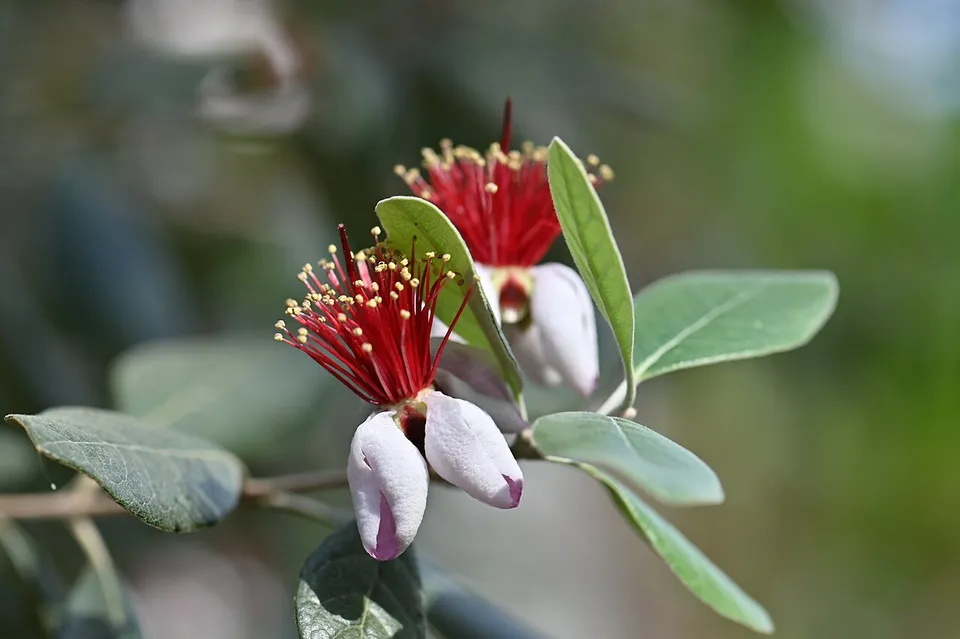
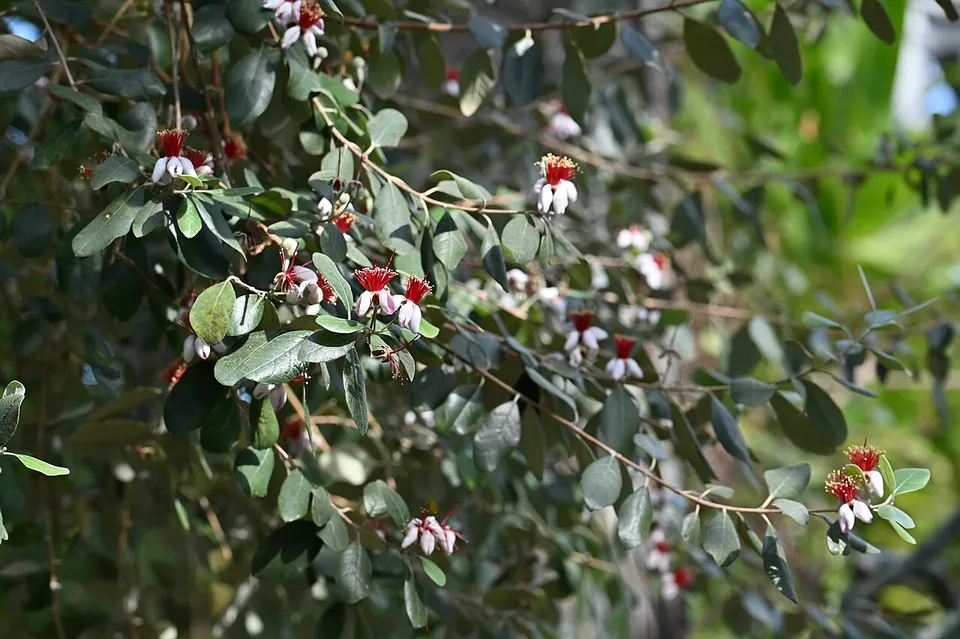
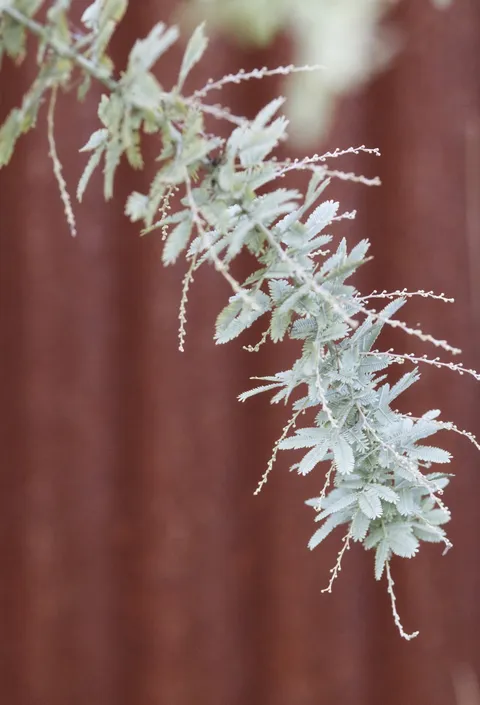
Pineapple guava. Silvery evergreen edible ornamental sports brushy ruby flowers in spring with edible pink petals. Ample water for best fruit production (fall). Otherwise not thirsty.
In stock in San Francisco and Los Angeles
from $59
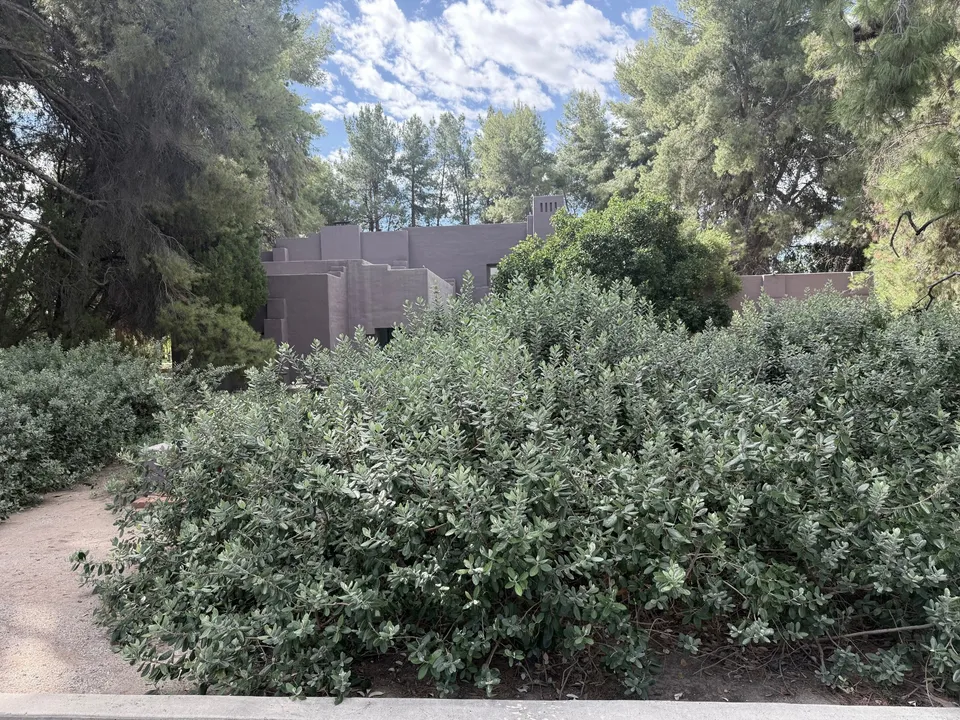
 Mature size | 8–25ft tall 6–15ft wide |
|---|---|
 Exposure | Part Sun – Full Sun |
 Hardy to | 10°F |
 Sunset zones | 5–9, 14–24, H1 |
 Water needs | Low – Moderate After it is established, this plant should be watered deeply but infrequently (when the top three inches of soil or so have dried). Use drippers, emitters or a slow stream of water so that it doesn't run off; allow the water to trickle all the way down through the deepest layers of soil. For best fruit production, provide more frequent deep irrigation, especially from late spring through harvest. |
 Tolerates | Cold, Cool Summers, Wind |
 Plant traits | Edible, Flowering, Screen, Shrub, Tree |
 Drainage | In Ground: Cactus Mix, In Ground: Planting Mix, In Pots: Potting Soil, Tolerates Heavy Soil, Tolerates Sandy Soil |
 Fertilizing | All Purpose 1/2 Strength |
 Origin | S Brazil, Uruguay, Paraguay, N Argentina |
 Synonyms | Acca sellowiana |
Similar plants
Growing Notes
Good drainage is best, but some people have had luck with this plant in heavy soils as long as the soil does not remain saturated in the winter time.
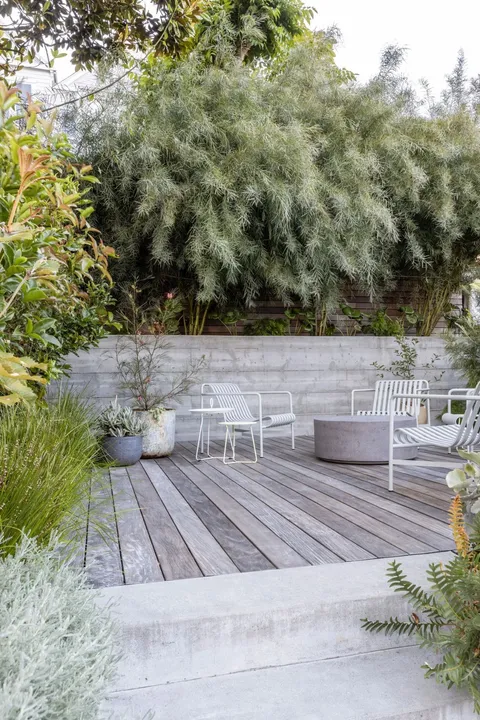
Useful as a luminous, open hedge in full sun, where it will flower and bear fruit. It can also be sheared to create a somewhat formal hedge.
To grow as a small tree, prune regularly to shape. Best as a multi-stem low-branching tree.
One of the hardiest of subtropical fruits.
Special Interest
Two seasons of eating: spring petals are a nice edible accent in salads; harvest fruit in fall.
The fragrant fruits remain green when they begin to ripen and fall off the tree three to five months after flowering. They'll sweeten and soften up for a day or two after harvest. Critters seem uninterested in the fruits, especially compared to apples, plums and other orchard fruits. Skin edible but can be leathery.
Stories featuring this plant
Links
What we've learned from growing this plant ourselves and in our customers' gardens. We always love to hear more. Tell us
© 2020–2026 Grubb and Nadler. All rights reserved.