
Pittosporum tenuifolium ‘Silver Sheen’
kohuhu
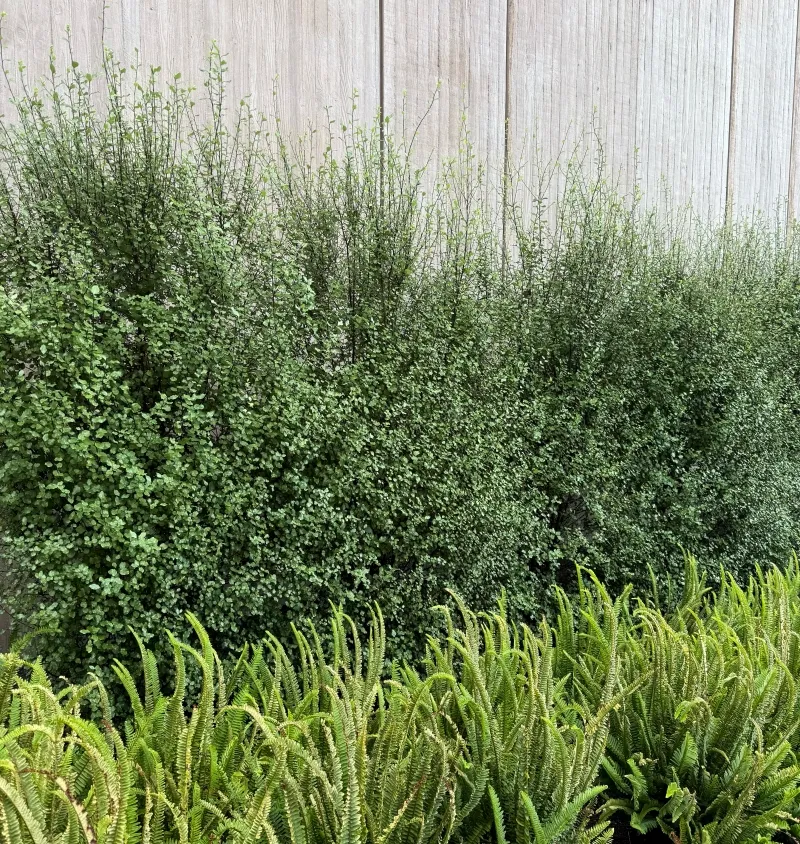
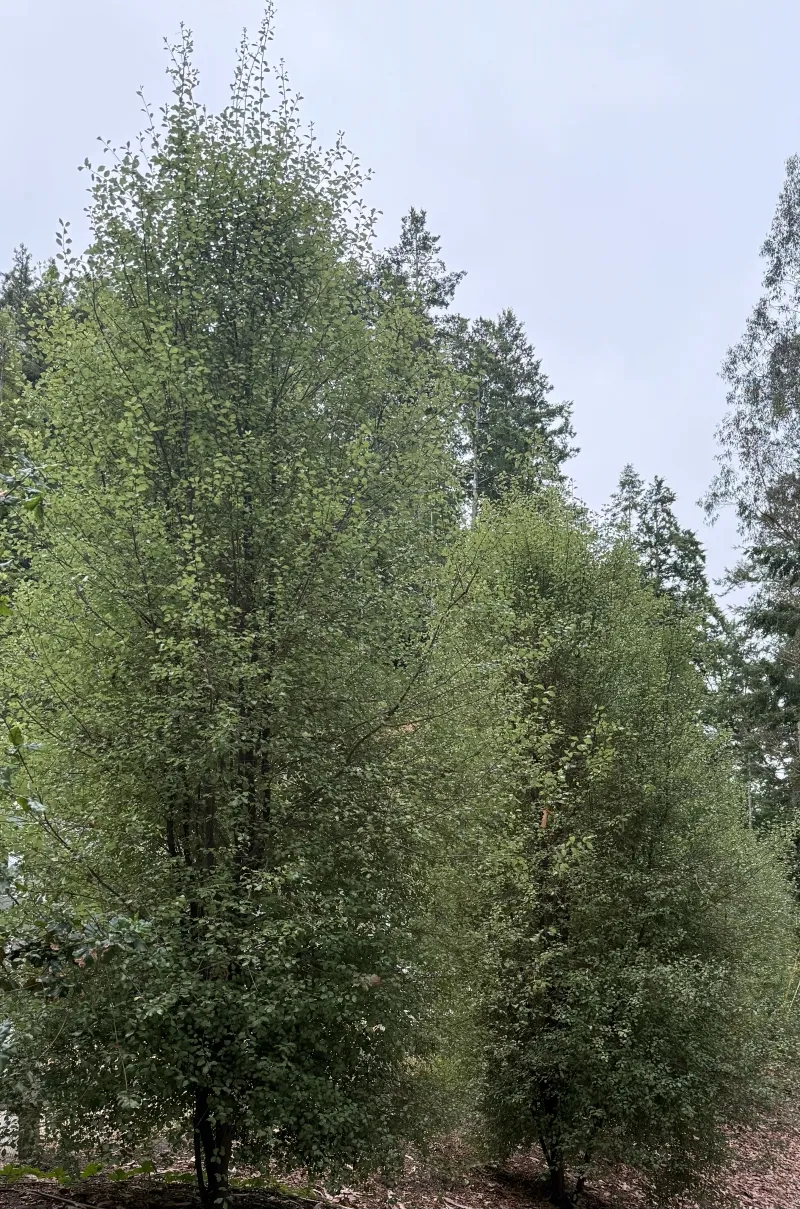
Delicate looking, fast growing, tough, versatile plant for screening and hedges. Dark night-fragrant flowers in spring. Quickly to 8 feet, eventually to 20 feet.
In stock in San Francisco and Los Angeles
from $39.95
 Mature size | 10–15ft tall 6–8ft wide |
|---|---|
 Exposure | Part Sun – Full Sun |
 Hardy to | 18°F |
 Sunset zones | 9, 14–17, 19–24 |
 Water needs | Low – Moderate Pittosporums are drought tolerant enough to live in coastal California without additional water, once established, but they need regular deep water to look full and lush and will partially defoliate if allowed to go completely dry. Additionally, some reports suggest they will also defoliate if overwatered in heavy soil during winter. Luckily they usually bounce back fairly quickly once appropriate water is reestablished. Usually this means a weekly watering for a mature plant, but it could be less if the plant is in some shade, right on the coast, or in heavy soil. |
 Tolerates | Coast, Cool Summers, Fog, Salt, Wind |
 Plant traits | Hedge, Screen, Shrub, Tree |
 Drainage | In Ground: Planting Mix, In Pots: Potting Soil, Tolerates Heavy Soil, Tolerates Sandy Soil |
 Fertilizing | All Purpose |
 Origin | Hybrid, New Zealand |
 Synonyms | Pittosporum nigricans |
Similar plants
 Pittosporum tenuifolium ‘Marjorie Channon’
 Pittosporum tenuifolium ‘Harley Botanica’
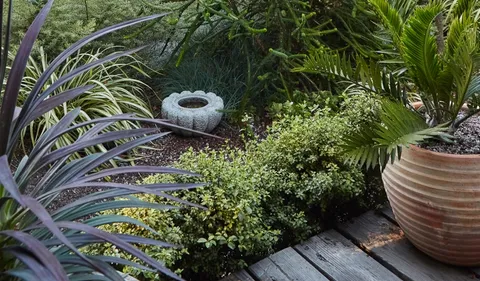 Pittosporum tenuifolium ‘Beach Ball’
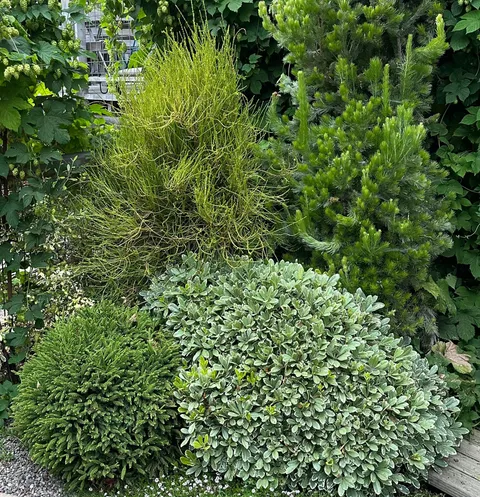 Pittosporum tobira ‘Cream De Mint’
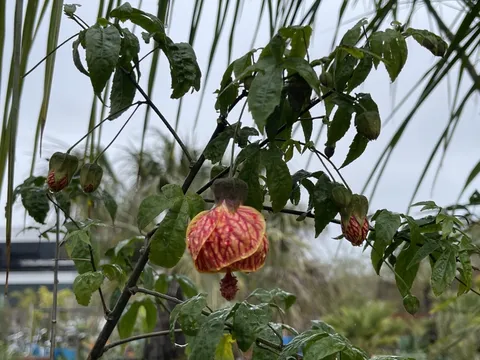 Abutilon ‘Red Tiger’
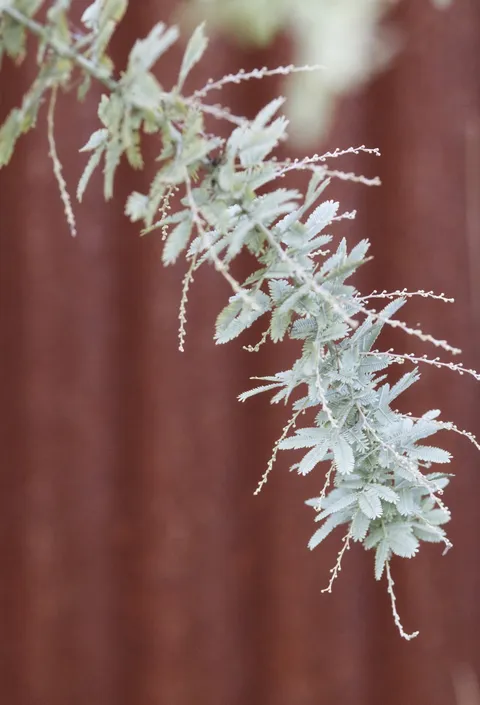 Acacia baileyana
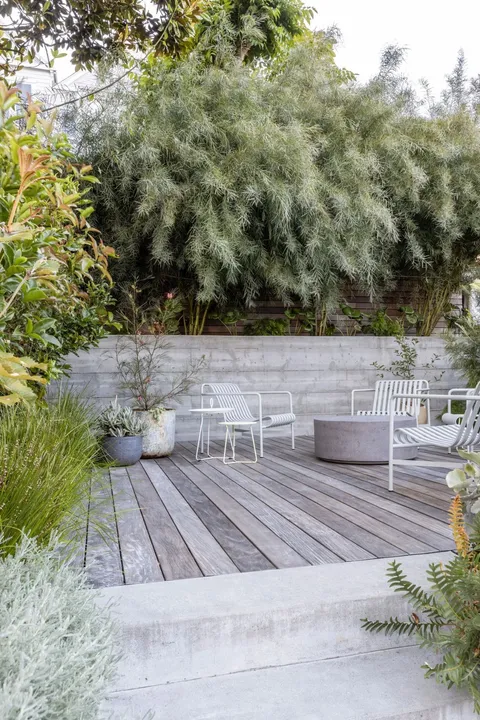 Acacia iteaphylla
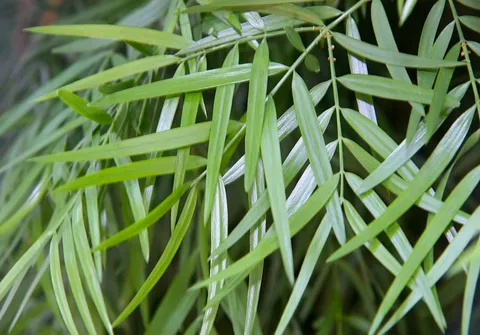 Afrocarpus (Podocarpus) gracilior
- Agonis flexuosa ‘Burgundy’
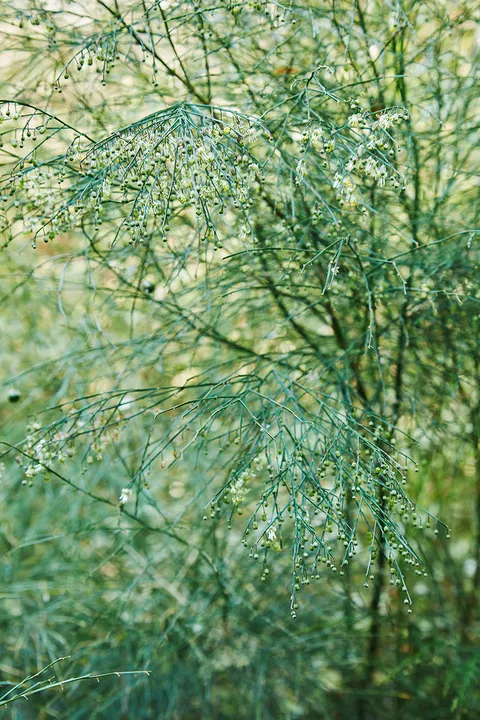 Asparagus virgatus
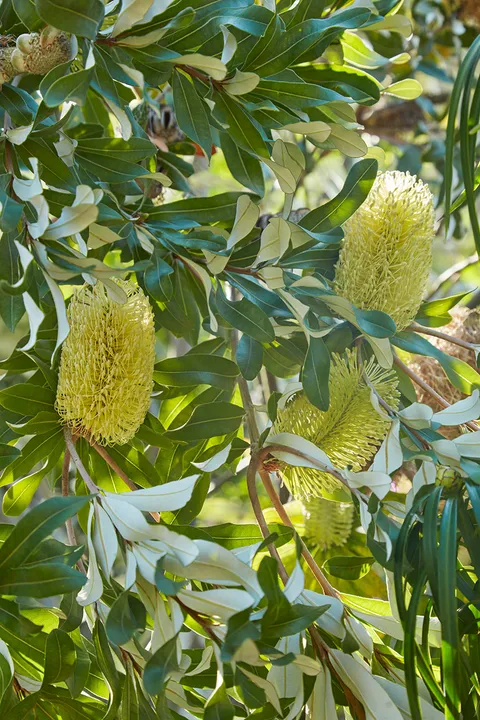 Banksia integrifolia
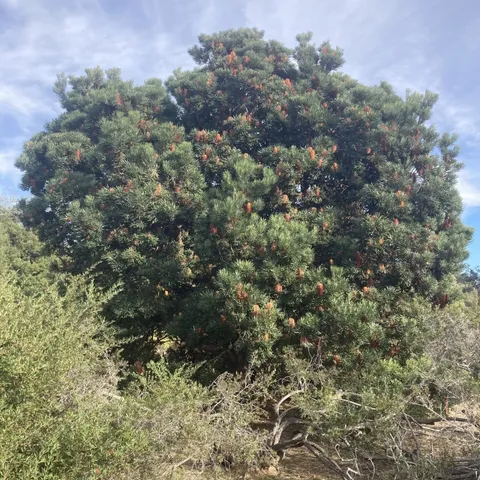 Banksia seminuda
Growing Notes
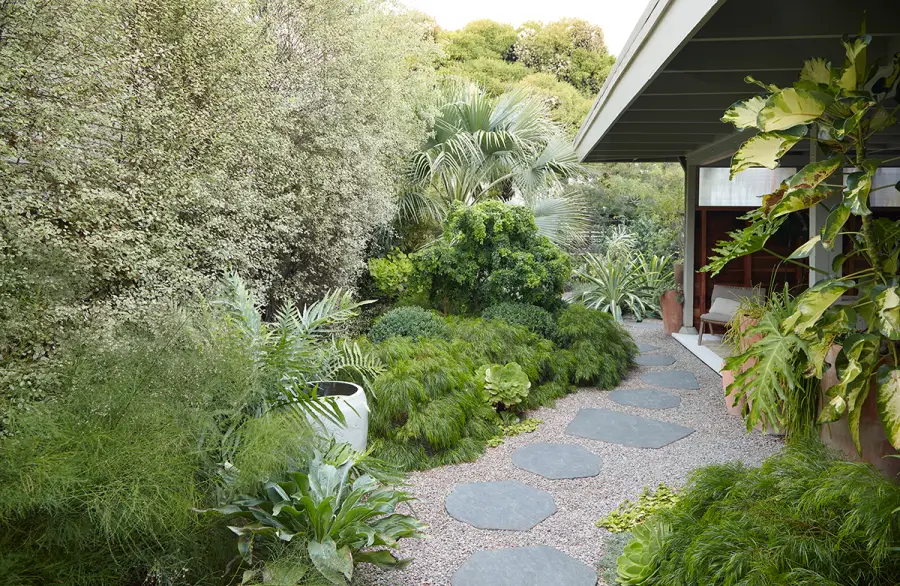
Typically larger pittosporums like this one grow into a small to medium sized tree. They have an amazing superpower: the ability to quickly grow into a screen that's dense enough to disguise a wall or create some privacy, but still feels light and airy. Choose a variety that will get at least as big as the screen you wish to have. Use clippers to open up your plant for a light informal screen, or sheer it to create a dense hedge that completely blocks undesirable site lines. Never let a screen grow more than six inches beyond its desired size or when you prune it back the hedge will be patchy and take time to fill back in nicely. You'll also be beyond the flexible new shoots that hedge pruners can easily and cleanly sheer, and likely need to do a first pass with some pruners. For a mixed treelike form with a dense canopy prune up lower branches to expose the trunk and primary branches, and then sheer the canopy of the tree to maintain density and shape.
Special Interest
The small purple black flowers are amusing, though not particularly noticeable. They smell lightly of honey during the evening, when they attract nocturnal pollinators.
The sap and leaves of pittosporum contain fragrant oils, which were used by the Maori peoples to freshen their homes. They also used the plant to treat various ailments and recent studies have found that pittospourms contain antimicrobial properties.
The previous species name of this plant - nigricans - describes the black stems of the new growth on this tree.
Stories featuring this plant
Links
What we've learned from growing this plant ourselves and in our customers' gardens. We always love to hear more. Tell us
© 2020–2026 Grubb and Nadler. All rights reserved.