
Alocasia ‘Calidora’
elephant ear
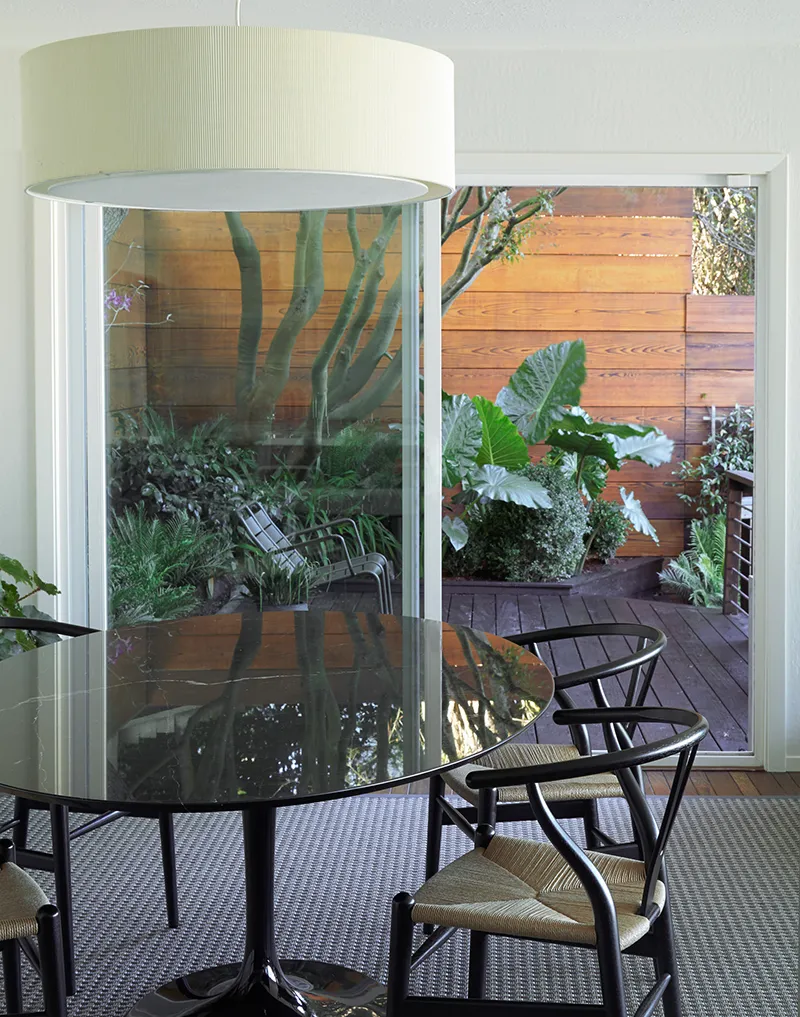
Growing it outdoors
Although it grows very happily outdoors, a plant that has lived indoors may sunburn at first if it's moved straight into the sun. It will recover.
 Height | 5–9ft |
|---|---|
 Width | 3–5ft |
 Tolerates | Heat, Moist Soil, Pots |
 Water needs | Moderate – High |
Appreciates water, and can even grow in marginal pond areas or pots placed in a water feature. Also grows well with the top layer of soil drying out in the garden or a pot, but withholding water more will give you less leaves that are smaller and smaller. If it goes too dry the entire crown of leaves will slowly falter and disapear, but they often return with the addition of consistent water. Elephant ears express a fascinating plant trait called guttation. This is when excess water within the plant is pushed through pores at the ends (or sides) of the leaves, most frequently at night. This isn't a sign of distress, but may be problematic over hardwood floors and should be monitored. This will usually soon after watering. | |
 Hardy to | 27°F |
 Exposure | Moderate Indirect – Partial Direct |
 Plant traits | Aquatic, Clumping, Foliage Feature, Sculptural, Tropical |
 Drainage | In Ground: Planting Mix, In Pots: Potting Soil, Tolerates Heavy Soil |
 Fertilizing | All Purpose |
 Origin | Hybrid |
 California native | No |
 Sunset zones | 17, 22–24 |
Growing Notes
Cleanly sheds lower leaves over time, exposing a neatly textured grey trunk. Older leaves can be removed to keep a more upright form, or if they receive physical damage.
Protect from wind, or high traffic areas as leaves are particularly sensitive to unsightly damage.
If you choose to grow this plant in a water feature be sure to add extra drainage, planting in equal parts cactus mix and pumice.
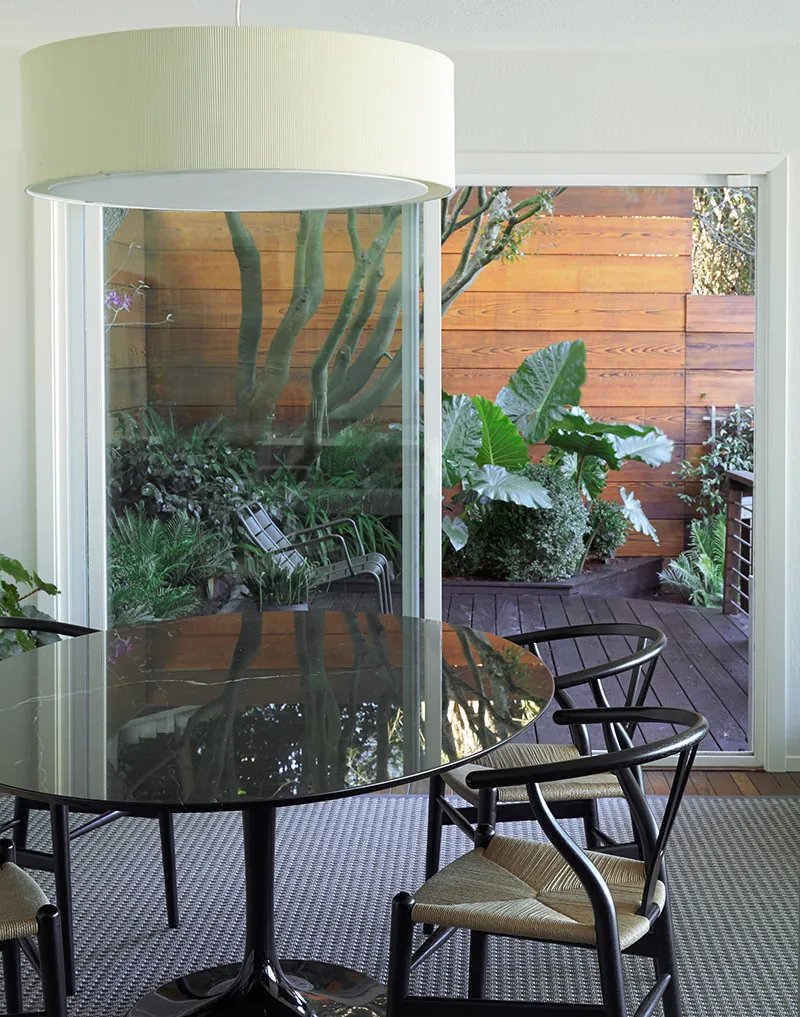
Growing it indoors
Funnel shaped elephant ear is evergreen in mild areas, grows back from frost but not hard freeze. Stout stem in time. Nice in pots or moist garden spots.
| Height | 3–9ft |
|---|---|
| Width | 3–5ft |
| Water needs | When soil surface is dry. |
Water when the surface of the soil is dry. Keep it evenly watered while it grows in spring and summer, and let it dry a little more between waterings in winter, when growth slows. If it goes too dry, the leaves droop and the crown thins. Elephant ears push extra water out through the tips of their leaves, mostly at night (guttation). It isn't a sign of trouble, but the drips can mark wood floors, so set it on a saucer or mat. | |
| Exposure | Bright Indirect |
| Plant traits | Aquatic, Clumping, Foliage Feature, Sculptural, Tropical |
| Drainage | In Pots: Potting Soil |
| Fertilizing | All Purpose |
| Origin | Hybrid |
Growing Notes
Sheds its lower leaves over time, revealing a neatly textured grey trunk. Remove older leaves to keep a more upright form, or when they eventually begin to turn yellow or brown, which is normal.
Keep it out of busy walkways and away from drafty doors and heater vents: the big leaves tear and mark easily. Give it the brightest indirect light you have, and turn the pot every few weeks so it grows evenly.
Which store do you shop at?
Special Interest
Each leaf can be six feet long and three feet wide on exceptional specimens.
Stories featuring this plant
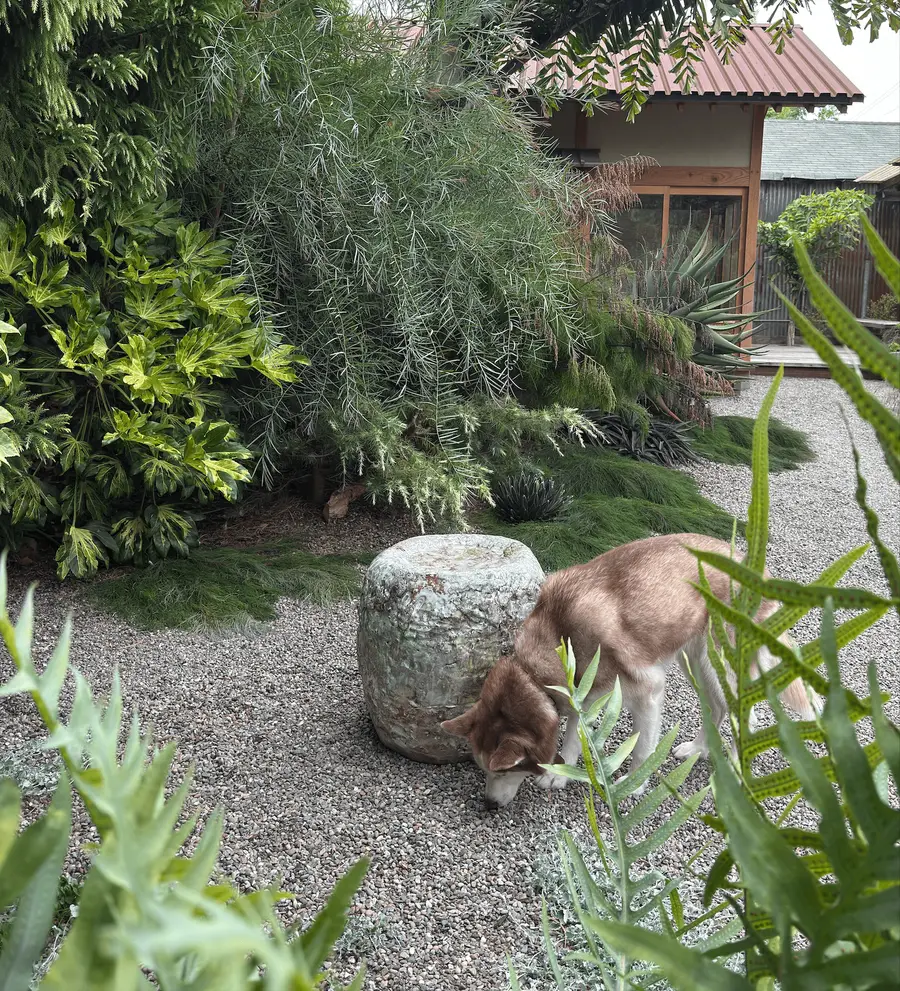 Garden storyFlora Grubb’s New Home GardenAbout twelve years ago, Flora Grubb, co-owner and co-founder of Flora Grubb Gardens, moved and began working on a new garden. No garden is ever finished, but Flora decided this garden is ready to share with you.
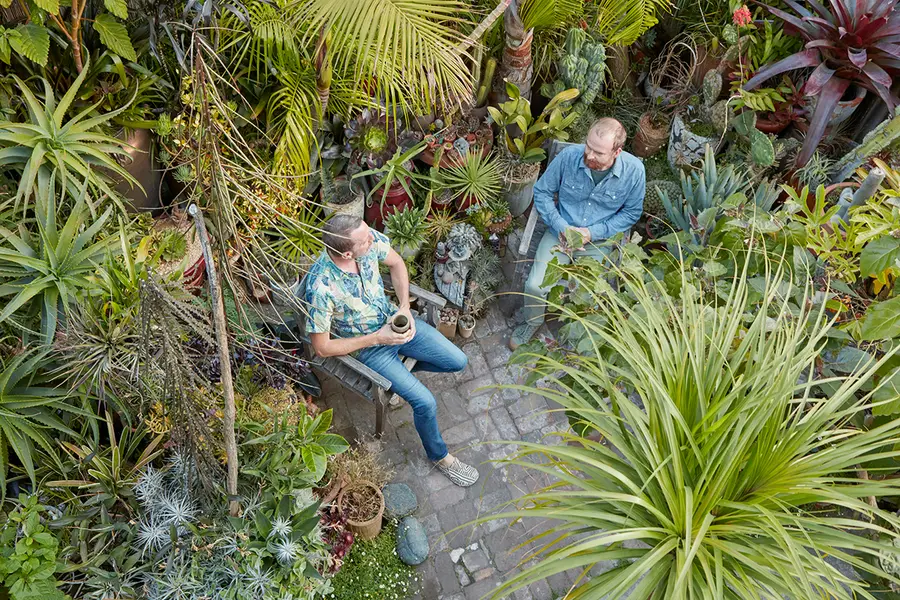 Garden storyInspiration from Clarke de Mornay's Patio GardenIf you’ve spent any time at Flora Grubb Gardens in SF, you’ve most likely experienced the warmth, plant genius, and general fabulousness of our beloved Clarke de Mornay. Now take a peek into Clarke’s own gorgeously detailed and eclectic home garden, a paradise for plant collectors!
The above information reflects the observations of Grubb and Nadler and our extended plant community. We always consider input from fellow horticulturists and welcome feedback from those with additional information on the culture of this plant.
© 2020–2026 Grubb and Nadler. All rights reserved.