
Chrysalidocarpus (Dypsis) decaryi
triangle palm
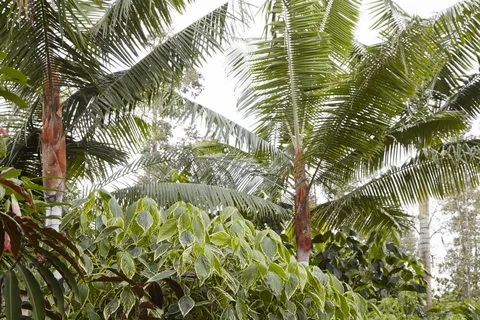
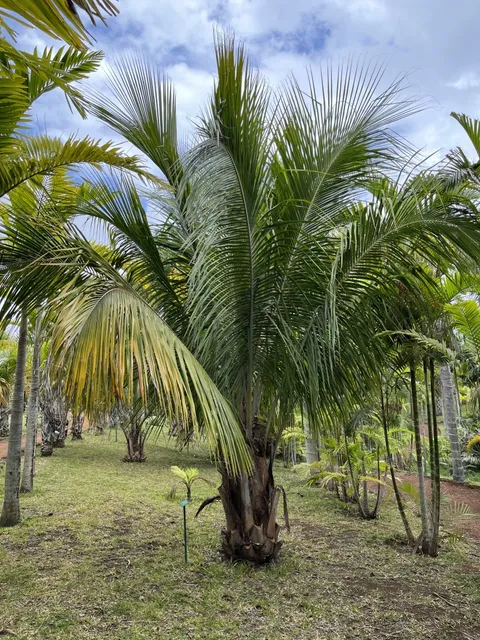
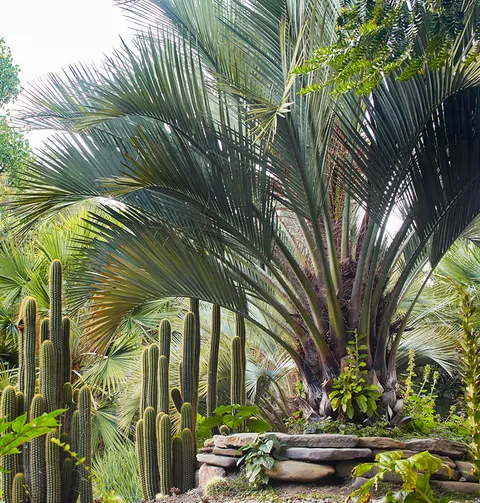
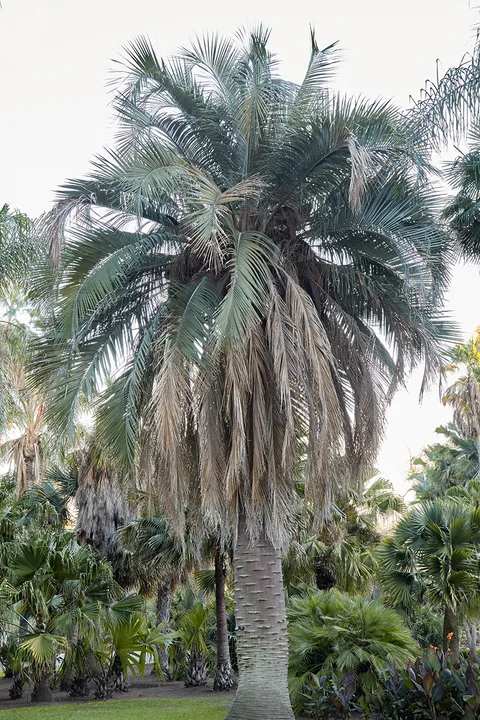
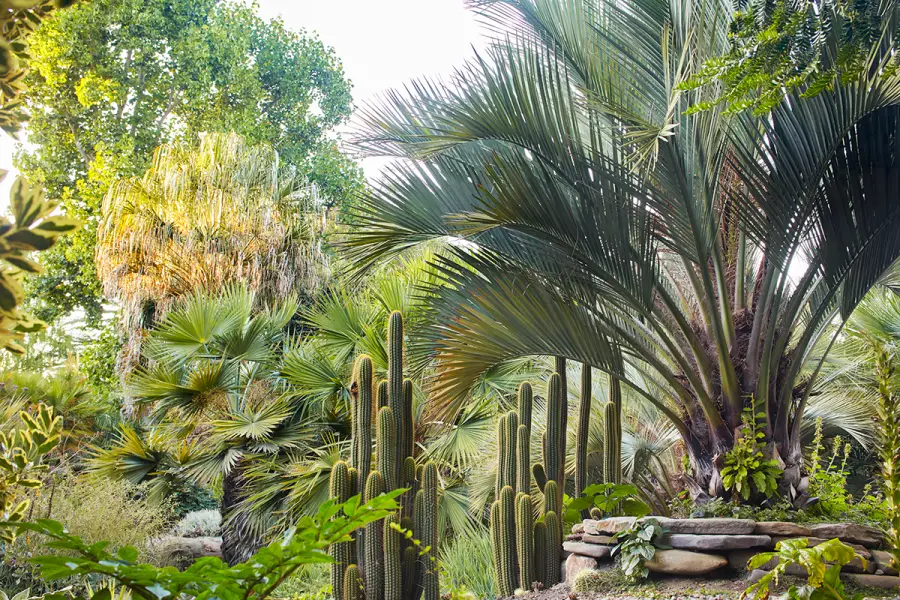
Arching feather fronds form in three axes and even the leaf cross section is triangular. Unique and intriguing element in the garden.
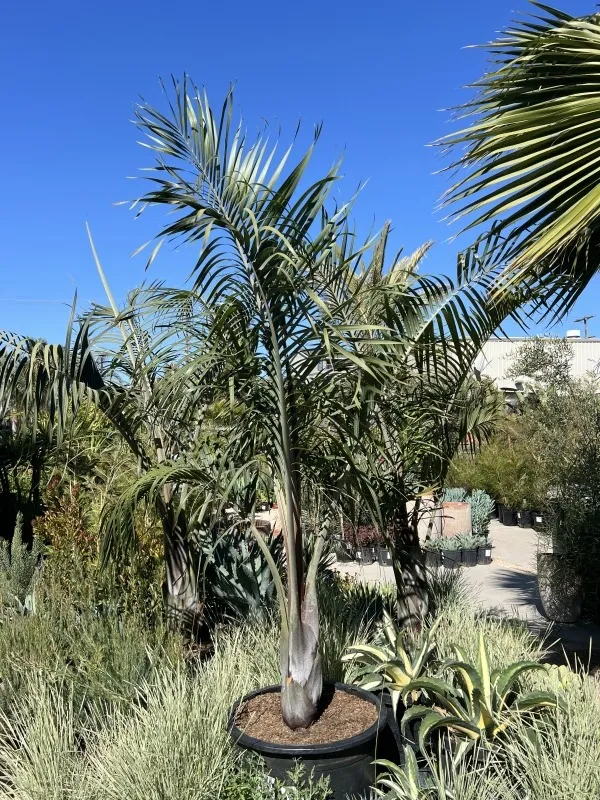
In stock in San Francisco and Los Angeles
from $189
 Mature size | 12–20 tall 10–15ft wide |
|---|---|
 Exposure | Full Sun |
 Hardy to | 27°F |
 Sunset zones | 13, 20–24 |
 Water needs | Low This palm looks its best with very fast draining soil and regular irrigation. It will however tolerate drying out completely in loamy soils and can even survive without supplemental irrigation in southern California, where a heavier soil that holds winter rains is beneficial. What it does not want is to grow in heavy clay soil AND be irrigated, which will lead to root rot. |
 Tolerates | Drought, Pots, Wind |
 Plant traits | Palm, Sculptural, Solitary, Trunking |
 Drainage | In Ground: Cactus Mix, In Pots: Cactus Mix, Tolerates Sandy Soil |
 Fertilizing | Palm Fertilizer |
 Origin | Madagascar |
 Synonyms | Chrysalidocarpus decaryi |
Similar plants
Growing Notes
Best suited for Southern California, although (for the adventurous) this palm is known to grow in the most sheltered locals of frost free, warm, Central California.
If you want this palm to grow quickly and look its best, you should fertilize at least three times a year. Fertilizing at spring equinox, summer solstice and fall equinox will allow for a winter rest. Be sure to feed your palm with a fertilizer that contains micronutrients, especially if you see yellowing leaves or yellow spots on the leaves, which can indicate magnesium deficiency.
This solitary palm will grow only one trunk during its lifetime.
Special Interest
With it's blue grey leaves this palm contributes to the oasis-style garden, especially when it's mixed with cactus and other drought-tolerant plants like euphorbias. It also makes an unusual and yet compelling addition to the Mediterranean garden when mixed with lavender, rosemary, and olives.
We have heard that the fruits of this palm are eaten by children in Madagascar and also turned into a fermented wine by the adults!
Stories featuring this plant
More Info
This plant was grown for an outdoor environment, so we do not recommend moving it inside. In general we do not recommend moving plants raised for an outdoor environment indoors.
The triangle palm is occasionally used as a houseplant, when it is grown in a controlled greenhouse with houseplant soil. This 'greenhousing' ensures that plants who come home with you are well acclimated to indoor life, and also that they don't have any pests. It is common for outdoor plants to have other passengers as well, such as earthworms or centipides that don't necessarily hurt the plant, but aren't welcome indoors.
If you consider yourself an expert gardener, you can of course attempt to transition this plant indoors. In that case you'll want to strip all the soil from the rootball, wash the roots clean and then spray the entire plant (leaves, undersides of the leaves, all the cracks and roots) with a mix of one tablespoon of rubbing alcohol in a cup of water. Repot the plant in the appropriate sterile soil/pot and take extra care as it transitions to the indoors, especially looking for pests and treating at the first sign of problems. Always consider the risk that any bugs could also affect other houseplants you have nearby.
What we've learned from growing this plant ourselves and in our customers' gardens. We always love to hear more. Tell us
© 2020–2026 Grubb and Nadler. All rights reserved.