
Syngonium chiapense
Chiapas heartleaf
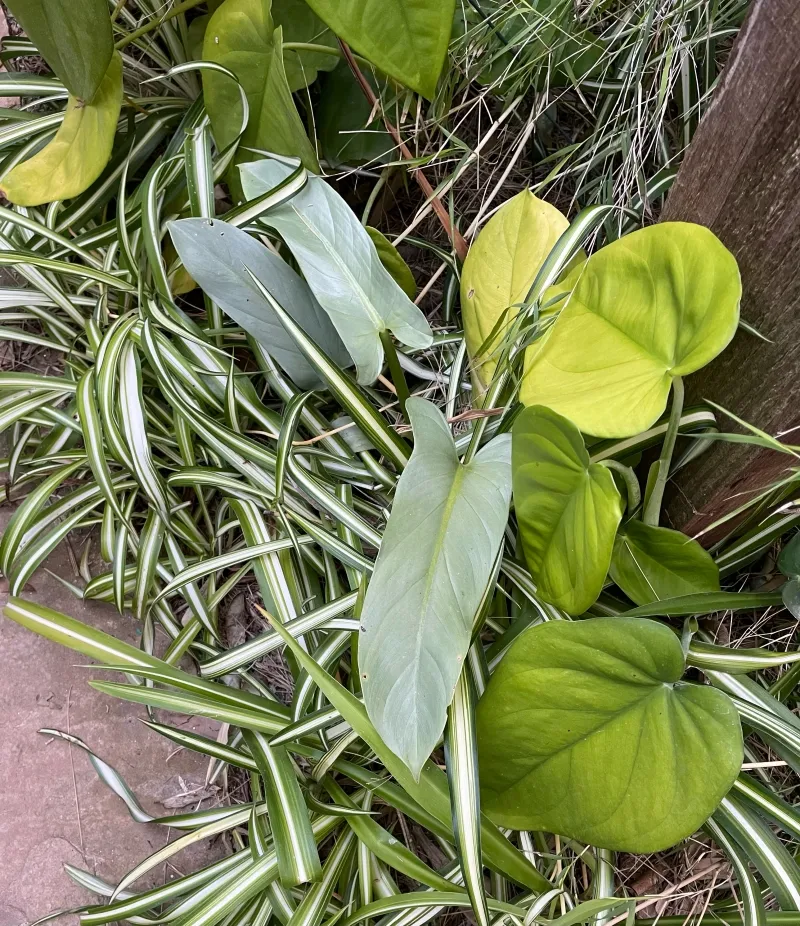
Growing it outdoors
Although it grows very happily outdoors, a plant that has lived indoors may sunburn at first if it's moved straight into the sun. It will recover.
 Height | 2–3ft |
|---|---|
 Width | 1–2ft |
 Tolerates | Heat, Narrow Planting, Pots |
 Water needs | Moderate – High |
This plant appreciates good drainage and having the surface dry out between waterings, but not to dry out deeper into the soil. As this plant is quite new to outdoor cultivation we are just speculating, but we have seen them with yellowing leaves, which is likely a sign of too little drainage combined with water or too much sun exposure (as monsteras have a similar tendency to yellow in a warm sunny exposure, before they burn.) | |
 Hardy to | 32°F |
 Exposure | Full Shade – Part Sun |
 Plant traits | Epiphyte, Foliage Feature, Tropical, Vertical Gardening, Vine - Self Clinging |
 Drainage | In Ground: Cactus Mix, In Pots: Cactus Mix, Orchid Bark, Tolerates Sandy Soil |
 Fertilizing | All Purpose |
 Origin | Mexico, Guatemala |
 California native | No |
 Sunset zones | 16, 17, 21–24, H1, H2 |
Growing Notes
While this plant is typically thought of as a houseplant, we have trialed it outdoors in our coastal California and it's performed so admirably that we are now offering it as an outdoor garden plant! We've grown it in San Francisco, Oakland, northern San Diego County, and in Venice, California.
This is a RARE plant! We are excited about the plant because there is really nothing else quite like it for coastal gardens.
It is a that vine loves climbing up palms, trees and fences. If the structure is also watered this plant will attach robustly and grow more vigorously. The size here is given as a grounded foliage feature, but it will (with time) grow taller given a structure to grow on.
This plant thrives in frost free areas. It may also be grown in gardens that receive light frosts, if it is protected by the canopy of a tree or grown in a covered entryway.
Fertilize during the summer growing season.
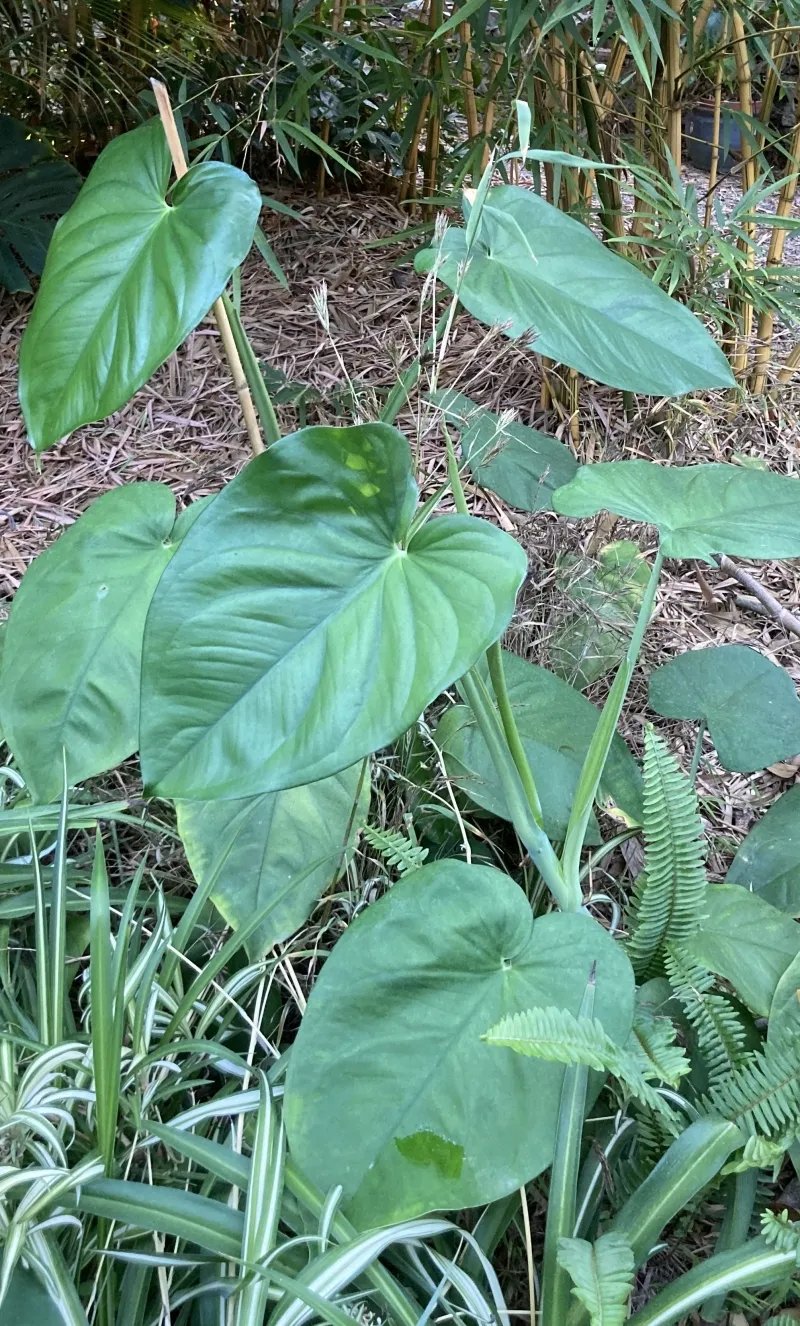
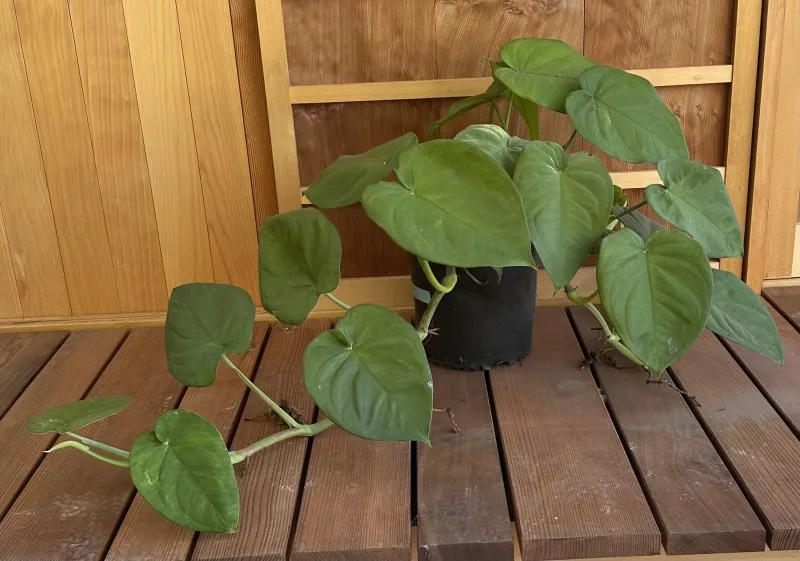
Growing it indoors
Rare! Cool-tolerant, jade-toned vine brings a tropical vibe into the garden. Train it up a totem, tree or fence. Also glorious cascading from baskets and pots. Heart shaped leaves.
| Height | 3–12ft |
|---|---|
| Width | 1–5ft |
| Water needs | When soil surface is dry. |
This plant wants water when the top of the soil is dry, but you can still feel moisture just below the surface. This plant will often fall into a once-a-week watering cycle, but remember that your watering should be based on the moisture left in the soil, which will depend partly on the moisture in the room and the weather outside. The soil 'surface'' goes a bit deeper for larger pots; for example, a plant in a 14-inch diameter pot should dry out a couple of inches deep before you water it, while a plant in a 4-inch pot will only want to dry out in the top half-inch or so of soil. | |
| Exposure | Moderate Indirect – Bright Indirect |
| Plant traits | Epiphyte, Foliage Feature, Tropical, Vertical Gardening, Vine - Self Clinging |
| Drainage | In Pots: Cactus Mix |
| Fertilizing | All Purpose |
| Origin | Mexico, Guatemala |
Growing Notes
This easy-care tropical vine's vigorous, fast growth makes it a beautiful option for a large space. You can keep it in bounds with regular pruning.
Cuttings can then be rooted and potted to place elsewhere or to give away.
Which store do you shop at?
Special Interest
Yes, it looks like a philodendron and climbs like a philodendron, but it's a syngonium! They're cousins in the same family, Araceae, along with plants like monstera, titan arum and the calla lily.
More Info
Isn't this really a houseplant? Well that's a tricky question. In general this type of plant makes a great houseplant, but this specific plant hasn't been grown to be a houseplant. Houseplants are grown under regulated conditions and with sterile soil, setting them up to thrive in your home. When outdoor-grown plants are taken indoors, they tend to transition poorly, often becoming magnets for pests. That said, if you decide to live dangerously and bring this plant indoors, here's some advice to help you out. Start by unpotting the plant and removing any loose soil. Next, preemptively treat the entire plant, including the roots, with an insecticidal soap. Be sure to treat the roots gently throughout this process. Use a new nursery can or sterilize the previous one with bleach. Repot the plant in a fresh mix and then water deeply with the insecticidal soap mix. Be sure to keep an extra close eye out for any pests that might pop up. Always consider the risk of introducing pests to your other houseplants.
Links
The above information reflects the observations of Grubb and Nadler and our extended plant community. We always consider input from fellow horticulturists and welcome feedback from those with additional information on the culture of this plant.
© 2020–2026 Grubb and Nadler. All rights reserved.